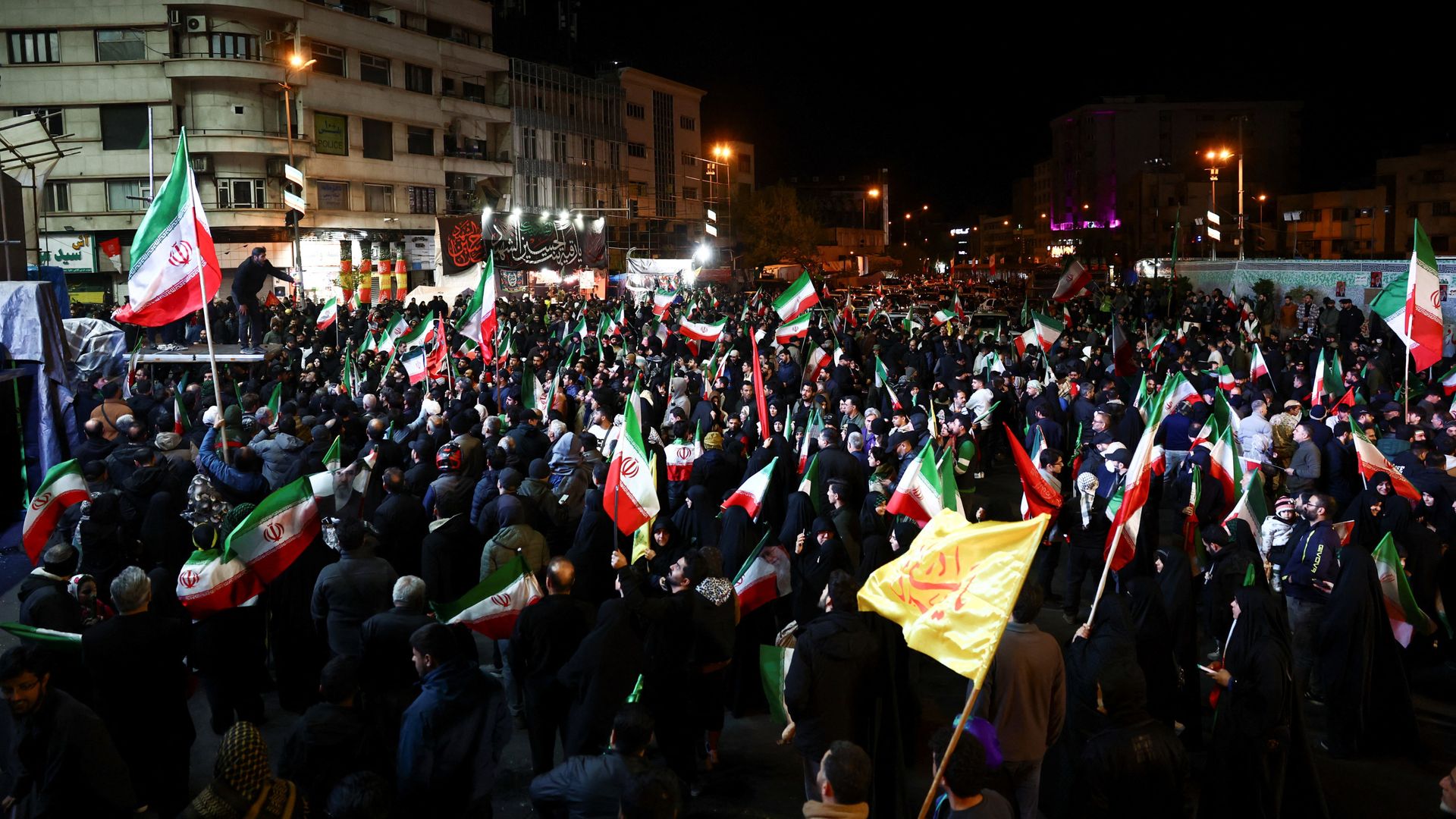
The two-week ceasefire established between Washington and Tehran on April 7, 2026, marks a structural shift in the conflict's cost-benefit analysis. While the Trump administration categorizes the "10-point plan" as a "workable basis" for negotiation, the document functions as a high-stakes leverage play designed to convert tactical maritime control into long-term geopolitical legitimacy. The immediate cessation of hostilities prevents the "civilizational erasure" threatened by the White House, yet it simultaneously locks both parties into a rigid framework of demands that challenge established U.S. red lines regarding nuclear sovereignty and regional hegemony.
The Architecture of the 10-Point Framework
The proposal delivered via Pakistani mediation is not a traditional peace treaty; it is a list of prerequisites for de-escalation that targets the economic and military infrastructure of the U.S. presence in the Middle East. Analyzing the plan reveals three primary tiers of demands.
Tier 1: Sovereignty and Nuclear Normalization
The core of the Iranian demand rests on the validation of its nuclear program.
- Universal Acceptance of Enrichment: Points 3, 6, and 7 demand the recognition of Iran’s right to uranium enrichment and the termination of all UN Security Council and IAEA Board of Governors resolutions. This effectively seeks to dissolve the legal architecture used to monitor Iranian nuclear activity over the last two decades.
- Sanction Dissolution: Points 4 and 5 require the removal of all primary and secondary sanctions. Unlike previous iterations of the JCPOA, this framework leaves no room for "snapback" mechanisms or phased relief.
Tier 2: Maritime and Regional Dominance
The second tier focuses on the Strait of Hormuz, the primary choke point for global energy markets.
- Control of the Strait: Point 2 insists on continued Iranian control over the Strait of Hormuz. By securing this, Tehran maintains a kinetic kill-switch over 20% of the world’s oil supply, using the threat of market destabilization as a hedge against future U.S. aggression.
- Military Retraction: Point 9 demands the withdrawal of U.S. combat forces from the region. This is a strategic move to create a power vacuum that Iran’s "Axis of Resistance" is positioned to fill.
Tier 3: Reparations and Cessation of Proximal War
The final points address the financial and regional costs of the 2026 conflict.
- War Compensation: Point 8 introduces a demand for direct compensation, framing the U.S. as the aggressor in the five-week war.
- Multi-Front Ceasefire: Point 10 requires the cessation of war on all fronts, specifically naming the "heroic Islamic Resistance of Lebanon" (Hezbollah). This integrates Iranian proxies directly into the diplomatic protections of the state.
The Trump Response Function: Maximum Pressure vs. Workable Basis
The administration's pivot from threatening "civilizational death" to accepting a "workable basis" within a 90-minute window suggests a calculation based on the limits of kinetic escalation. The U.S. response function is currently balancing two competing variables: the desire for an "incredible deal" and the logistical reality of the Strait of Hormuz blockade.
The Strait of Hormuz Bottleneck
The effectiveness of Iran’s 10-point plan relies on the physical closure of the Strait. For the Trump administration, the "reopening" of this waterway—even under Iranian coordination and toll collection—provides an immediate relief valve for global oil prices, which had spiked since the conflict began on February 28. The administration views the two-week window not as an acceptance of all ten points, but as a tactical pause to regain maritime flexibility.
Diplomatic Volatility and Mediation
The choice of Islamabad as the venue for the April 10 negotiations underscores the role of Pakistan as a neutral arbiter capable of managing the "maximum pressure" rhetoric. The involvement of Field Marshal Asim Munir and Prime Minister Shehbaz Sharif provides a buffer, allowing the U.S. to engage without appearing to retreat from its ultimatum-driven posture.
Strategic Limitations and Failure Points
The current ceasefire is inherently fragile due to the "all-or-nothing" nature of the 10-point demands. The Iranian Supreme National Security Council has signaled that a UN Security Council resolution making these points binding is their ultimate metric for success.
The primary bottleneck in negotiations will be the demand for the removal of all sanctions and the recognition of enrichment. These points conflict with the administration's stated goal of preventing "Iranian nuclear weapons capability." If the U.S. concedes on enrichment to keep the Strait of Hormuz open, it risks a domestic political backlash. Conversely, if negotiations stall in Islamabad, the U.S. has already telegraphed its next move: strikes against Iran’s energy grid and vital infrastructure.
The two-week period creates a "deadline trap." Each day the ceasefire holds, the domestic and international pressure to avoid returning to war increases, yet the underlying divergence in the 10-point plan remains unresolved. The success of the Islamabad talks depends on whether the "workable basis" can be stripped of its most radical demands—such as total U.S. military withdrawal—while providing Iran enough economic relief to keep the oil flowing.
The final strategic move for the U.S. is to decouple the maritime opening from the nuclear demands. By treating the reopening of the Strait as a completed "win," the administration may attempt to narrow the scope of the remaining nine points, focusing on a modified nuclear monitoring regime that allows for limited enrichment in exchange for the lifting of specific primary sanctions. If Tehran refuses to segment the 10-point plan, the probability of a high-intensity strike on the Iranian refinery network increases significantly at the expiration of the fourteen-day window.


