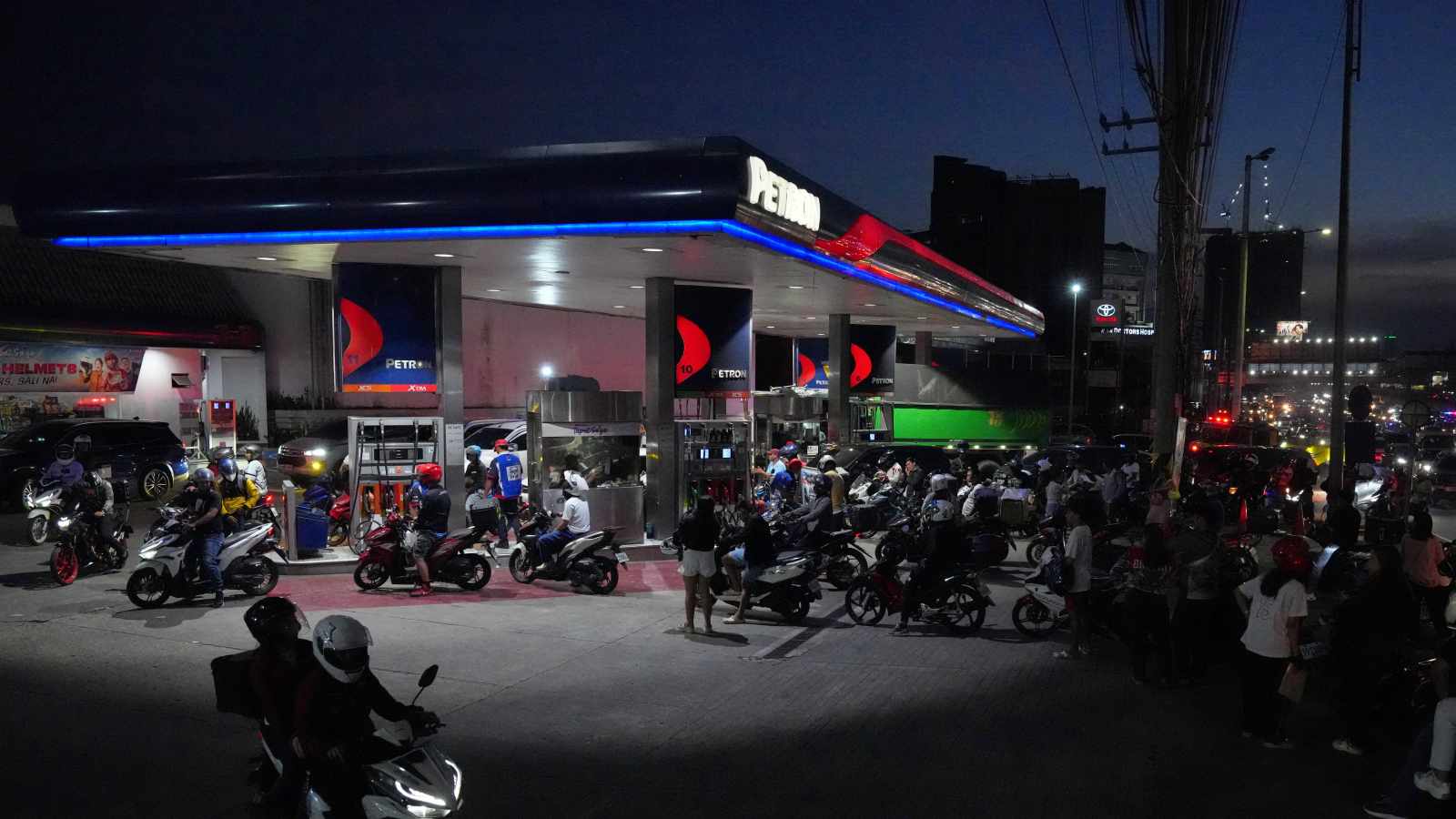
Oil prices didn't just fall this week; they collapsed under the weight of a carefully choreographed psychological operation. After Brent crude flirted with a catastrophic $120 per barrel—a price point that historically triggers global recessions and political suicide for sitting presidents—Donald Trump pivoted. By claiming the war with Iran would be over “very soon” and describing a week of intensive aerial bombardment as a “short-term excursion,” the White House successfully defanged a market that was pricing in a multi-year Siege of Tehran.
The move worked. Brent futures, which had spiked by 20% in a single day, retreated below $90 as traders scrambled to unwind long positions. But beneath the rhetoric of “mission accomplished,” a far more complex and dangerous reality remains. The Strait of Hormuz is effectively a graveyard for commercial shipping insurance, and the structural damage to the global energy supply chain cannot be repaired with a social media post.
The Invisible Ceiling of $120 Oil
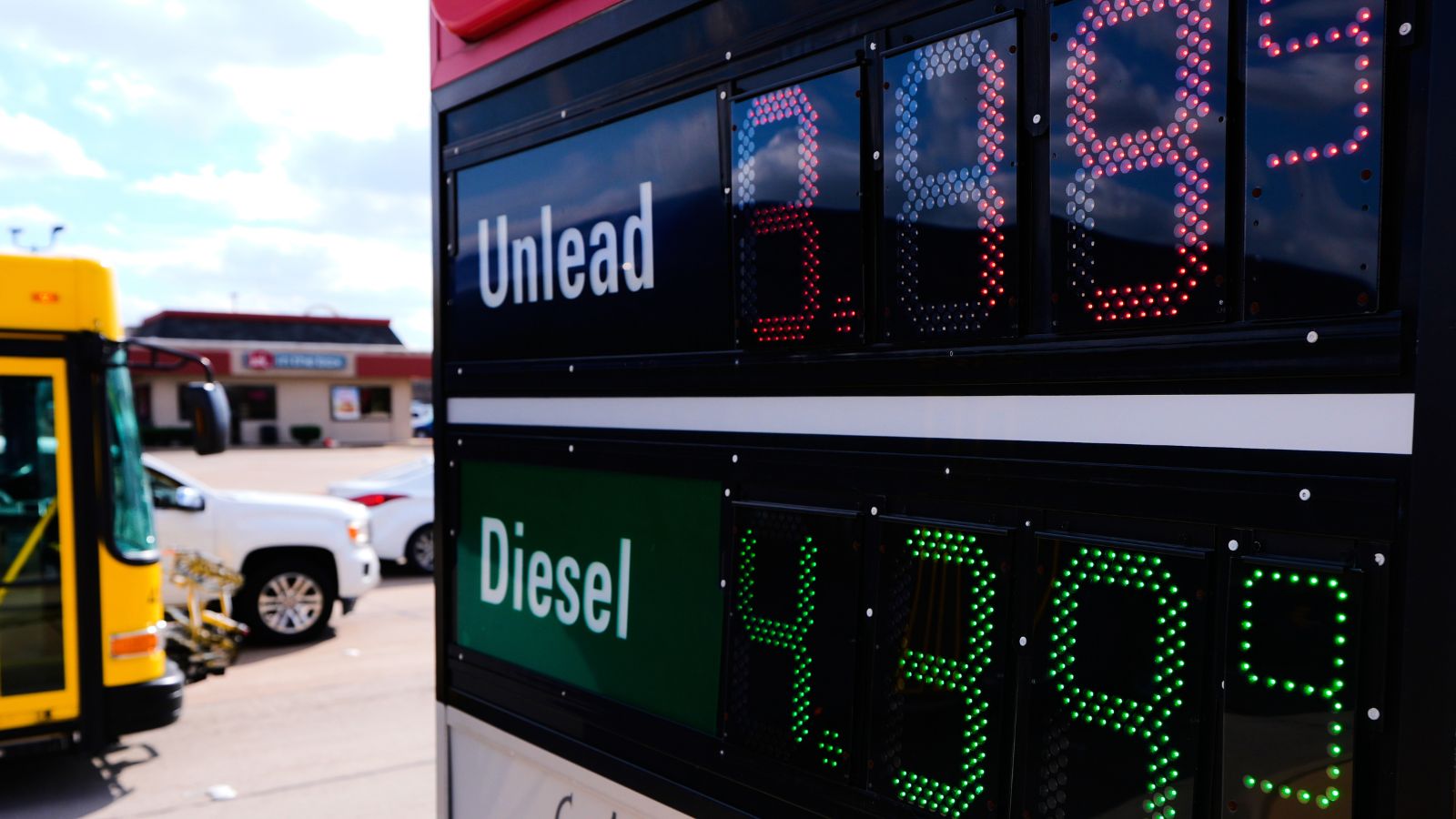
In the high-stakes poker game of energy geopolitics, $120 is the "break glass in case of emergency" number. When prices hit that level on Monday, the internal math at the White House shifted from military objectives to domestic survival. At $4.00 per gallon at the American pump, the political capital required to sustain "Operation Epic Fury" evaporates.
The President’s sudden shift to a de-escalation narrative wasn't born from a sudden breakthrough in Tehran. It was a tactical retreat to save the S&P 500. By signaling that the war is "very complete, pretty much," the administration provided the "off-ramp" that algorithmic trading bots needed to stop the bleeding in the equity markets.
However, the "why" behind the price drop is less about peace and more about exhaustion. The market had already priced in the worst-case scenario: a total, permanent blockage of the Strait. When the United States announced it would provide sovereign insurance guarantees and naval escorts for tankers, it called the market’s bluff. It signaled that the U.S. is willing to nationalize the risk of shipping in a war zone to keep the barrels flowing.
The Mojtaba Factor and the Leadership Vacuum
While Washington talks about an ending, Tehran is signaling a beginning. The selection of Mojtaba Khamenei to succeed his father as Supreme Leader is not the move of a regime ready to surrender. It is a consolidation of the "Hardline Guard."
Investigative leads from regional intelligence suggest that the Iranian Revolutionary Guard Corps (IRGC) has shifted its strategy from conventional naval confrontation to "asymmetric strangulation." They don't need to sink a U.S. destroyer to win; they only need to ensure that no commercial hull can get an insurance binder to transit the Gulf.
- The Insurance Gap: Even with U.S. Navy escorts, private insurers like Lloyd's of London have largely blacklisted the region.
- Production Stagnation: Iraq, Kuwait, and the UAE have already begun throttling production because their storage tanks are full and they have no way to export the surplus.
- The Ghost Fleet: Iran’s "dark fleet" of tankers, which previously kept Chinese refineries fed, is now sidelined by the physical blockade, forcing Beijing to compete for Atlantic Basin barrels.
The Illusion of the Short War
The "short-term excursion" narrative is a classic trope of 21st-century warfare, yet it rarely survives the first month of contact. The administration is banking on the idea that the destruction of Iranian electricity production and command-and-control centers will force an "unconditional surrender."
This overlooks the "Stagflation Trap." If the war doesn't end in the next 14 days, the temporary dip in oil prices will reverse with a vengeance. We are currently seeing a "relief rally" based on words, not barrels. The physical reality is that 20 million barrels of oil per day—20% of global consumption—are still under threat.
The U.S. Strategic Petroleum Reserve (SPR) is not the shield it once was. After years of drawdowns, the ability to flood the market and suppress prices is limited to a few weeks of intervention. If the IRGC successfully deploys naval mines or utilizes its remaining drone swarms against Saudi desalination plants or Emirati loading terminals, the $90 price tag we see today will look like a bargain.
A Fragile Equilibrium
The current market cooling is a fragile equilibrium built on trust in a single man’s optimism. Traders are betting that Trump has a "secret deal" or a definitive military endgame that he hasn't shared yet. If that deal doesn't manifest, or if the "short-term excursion" drags into a scorching Persian summer, the snap-back in energy prices will be violent.
The real story isn't that the war is ending. The story is that the global economy cannot afford for the war to continue, and the White House is currently trying to wish a victory into existence before the next inflation report hits the desks of the Federal Reserve.
Watch the tankers, not the press conferences. Until the first unescorted VLCC (Very Large Crude Carrier) clears the Strait of Hormuz without an Iranian missile lock, the war is anything but over.