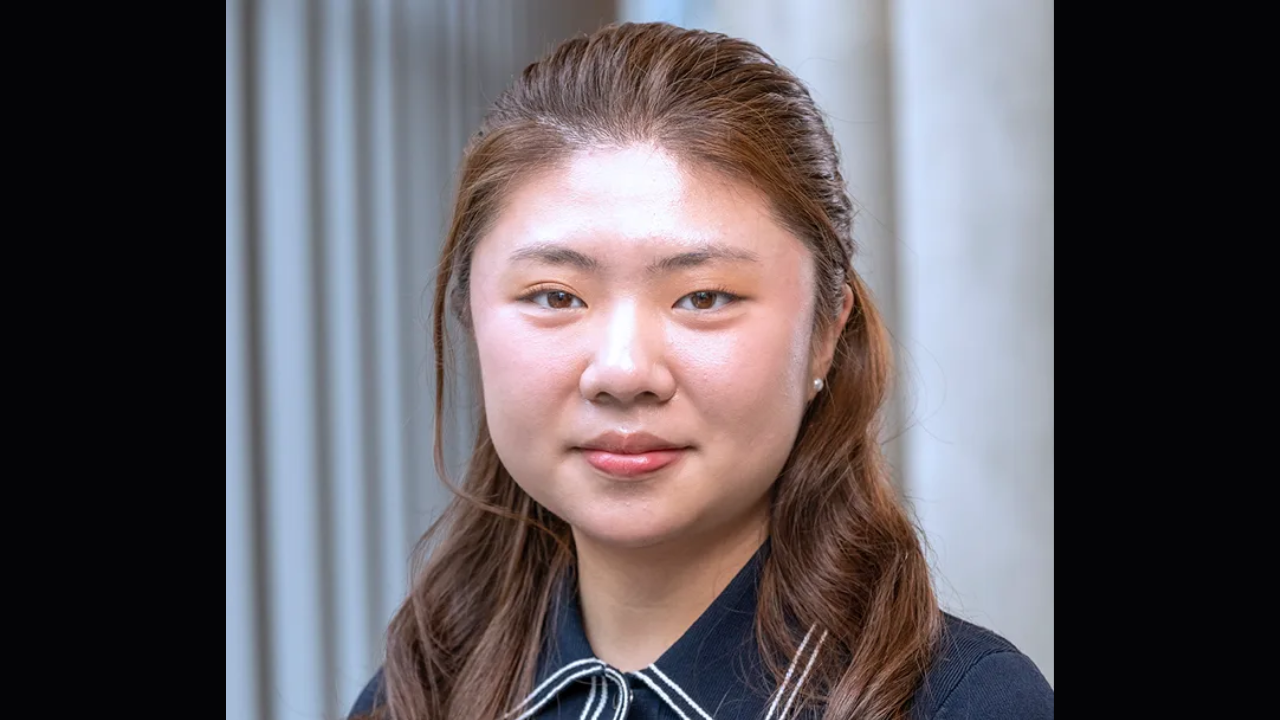
Pain has a way of focusing the mind. When Claire Jiang sat at a school desk in the third grade, a sudden fever and a locked, aching elbow interrupted her exam. That day marked the beginning of her journey with juvenile idiopathic arthritis, a chronic condition that causes painful inflammation in children's joints. Most kids would focus simply on getting through the day. Jiang decided to change how science understands the disease entirely.
Now an 18-year-old senior at Bergen County Academies in Hackensack, New Jersey, Jiang earned seventh place and a $70,000 award in the prestigious 2026 Regeneron Science Talent Search. Her crime against the status quo was simple: she noticed that pediatric rheumatology lacked accessible, disease-specific cell models for laboratory research. Without these models, testing new treatments is painfully slow. So, she built one herself.
The Missing Piece in Pediatric Rheumatology
Juvenile idiopathic arthritis, or JIA, is the most common form of arthritis in children, yet it remains stubbornly misunderstood. When Jiang was diagnosed at nine years old, she quickly realized how sparse treatment options were. Doctors and researchers struggled to test therapies effectively because they lacked a reliable laboratory simulation of joint tissue affected specifically by JIA.
Growing up with a chronic illness can feel isolating. Jiang has noted that she did not know anyone else who shared her diagnosis during her childhood. Instead of letting uncertainty dictate her life, she channeled her energy into biology. By seventh grade, she set her sights on contributing directly to JIA treatment research.
Building the Cell Model from Scratch
To create a working laboratory model, Jiang focused on fibroblast-like synoviocytes, known as FLS cells. These specialized cells line human joints and play a massive role in driving inflammation and joint damage when arthritis flares up.
Working in her school laboratory during lunch breaks and weekends, Jiang started with SW982 cells. These are human cell lines typically used to study adult rheumatoid arthritis. She then treated those cells with bone morphogenetic protein 4, commonly called BMP4, which is a signaling protein heavily linked to JIA-related joint damage.
The results were striking. The treated cells began to change their growth patterns and gene expression. They started behaving almost identically to the FLS cells found in actual JIA synovial tissue. By successfully replicating these cellular traits, Jiang created a practical, accessible model that scientists can use to test potential medicines and observe disease pathways without relying solely on scarce patient tissue samples.
The Reality of High School Research
Breakthrough scientific discoveries do not happen by accident. They demand grueling hours behind a microscope and long nights wrestling with chaotic data sets.
Jiang balanced her advanced research with a packed schedule. She served as the head delegate for her school's Model United Nations team, volunteered as an intern in a pediatric intensive care unit, and studied classical piano at the Manhattan School of Music precollege program. When crunch time hit for her project data, sleep took a backseat. She admits to staying up later and later analyzing complex cell data, though she drew the line at pulling total all-nighters.
Self-doubt crept in along the way. Like any serious researcher facing unexpected data anomalies, Jiang experienced moments of frustration where her experiments seemed to stall. She advises other young scientists to embrace that mental friction. Pushing through the confusion and mental spirals is what separates a finished project from an abandoned idea.
Changing the Conversation Around Chronic Illness
Beyond the laboratory, Jiang's project changed how she relates to her own body and medical history. For years, talking about her juvenile arthritis felt uncomfortable. Diving deep into the science behind her condition gave her the self-confidence to speak openly about it.
Her success at the Regeneron Science Talent Search proves that personal adversity can become a powerful catalyst for innovation. By building a functional cell model for an overlooked pediatric disease, Claire Jiang didn't just win a spot on a national stage—she gave researchers a tool that could eventually change how thousands of children manage their pain.