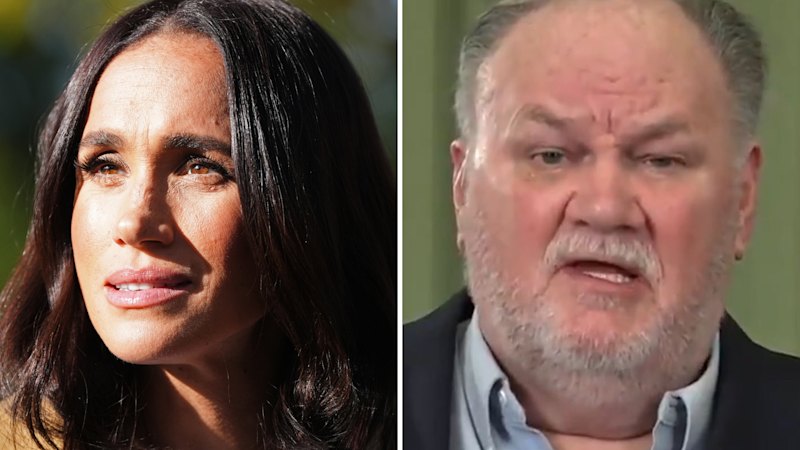
When Meghan, the Duchess of Sussex, revealed that troubling allegations against her estranged father were flagged to police back in 2018, the public narrative around their family rift shifted overnight. For years, people argued over paparazzi setups, tabloid interviews, and whether Meghan was too harsh in cutting off Thomas Markle Sr.. Suddenly, a much darker picture came into view.
Here is the blunt truth. Meghan said she was first made aware of disturbing claims involving her father in 2018 after a letter was sent to London's Metropolitan Police and Royalty and Specialist Protection. Yet official police records later pinpointed the Met's receipt of that letter to January 2019, and a police watchdog opened a review into why the claims weren't passed along to overseas law enforcement at the time.
Those early reports have since collided with active criminal proceedings across multiple jurisdictions. In late October and November 2026, investigations expanded from Cebu City in the Philippines to California storage units and Florida, resulting in Thomas Markle Sr.'s arrest on federal charges involving child sexual abuse material and criminal complaints filed by Philippine police. Thomas Markle Sr. has denied all accusations, calling them "sick lies," and the legal cases remain ongoing with no verdict reached.
How the 2018 Police Claims Changed the Estrangement Story
For nearly eight years, critics treated Meghan and Thomas Markle's estrangement like a standard celebrity family feud. People debated who said what to the press before the May 2018 royal wedding, or whether she owed him a phone call after his heart surgery. That framing missed the weight of what was happening behind closed doors.
In her October 2026 statement, Meghan explained that a letter containing disturbing allegations about her father had been sent to the Metropolitan Police and Royalty and Specialist Protection in 2018 and was later shared with her. She also stated that she had blocked contact between her father and her children—Prince Archie and Princess Lilibet—to keep them safe.
Look at how differently that reads when you line it up against years of public scrutiny. Every time Meghan stayed quiet while headlines painted her as cold or ungrateful, there was information sitting in the background that the public didn't have. Honestly, it's wild how much context was missing from years of armchair psychology about their relationship.
At the same time, you have to pay close attention to the timeline details. Meghan's initial statement referenced 2018, while the Metropolitan Police stated they received a letter containing claims of alleged offending outside the UK in January 2019 and passed it to the office of the Duke and Duchess of Sussex for their awareness. Her spokesperson later noted she may have misremembered the date and pointed to the Met's time-stamped records as the accurate reference. That distinction matters if you care about precision rather than viral outrage.
Why the Met Police Timeline and Watchdog Probe Matter
A lot of readers skim past bureaucratic details like dates and agency referrals. Big mistake. In cross-border cases, those procedural steps explain how red flags get lost.
According to The Guardian and AP News, the Metropolitan Police confirmed they passed the letter about alleged offending outside the UK to the Sussexes' office in 2019, but did not share the details with other law enforcement agencies at that time. Meghan's office expressed frustration that the allegations weren't forwarded to other agencies.
Later in October 2026, the Met made a voluntary referral to the Independent Office for Police Conduct (IOPC). Watchdog reviews like this usually look at two practical questions:
- Did officers properly assess overseas allegations and route them to relevant authorities where jurisdiction existed?
- Were proper data-handling rules followed when sharing information with a third party, such as a royal household office?
The IOPC's review focuses on police handling, not proving or disproving the underlying criminal accusations. Still, it highlights a classic friction point in international policing. When a tip arrives in London about conduct allegedly occurring elsewhere, lack of immediate cross-border coordination can stall early scrutiny.
What Happened Next in the Philippines and the United States
The story didn't stay stuck in old correspondence. In October 2026, media reports revealed that Meghan's half-brother, Thomas Markle Jr., had found alleged child abuse material while clearing out their father's former home in Cebu City, Philippines, and turned items over to authorities.
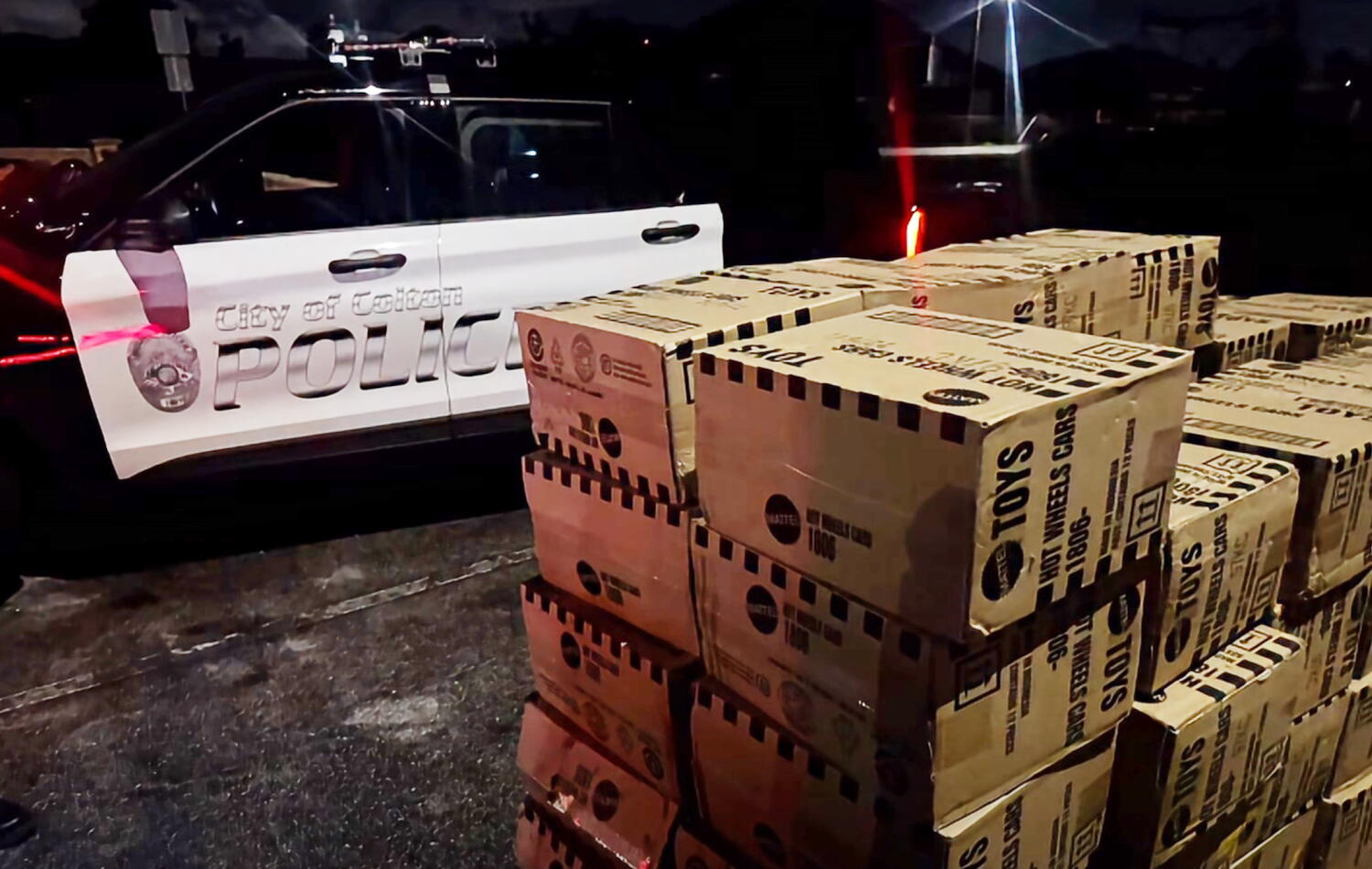
From there, multiple investigations moved fast. According to reporting from CBC News and Courthouse News Service, U.S. federal agents arrested 82-year-old Thomas Markle Sr. in Florida on November 6, 2026, on a federal charge of possessing child sexual abuse material tied to items seized from two California storage units. Authorities also reported searches and seizures in Mexico linked to the wider probe, while police in Cebu filed criminal complaints accusing him of violating laws against online sexual abuse and exploitation of children.
In Florida, Markle was briefly released on bond and then taken back into custody after authorities accused him of cutting off his electronic ankle monitor. Following a psychiatric evaluation in November 2026, a judge ruled him mentally competent to face the federal charges, ahead of proceedings expected to shift toward Southern California.
Every single detail here involves serious allegations before a court of law. Markle maintains his innocence and has blamed his son in interviews and clinical evaluations. Until a court reaches a verdict, charges and complaints remain allegations to be tested through the legal process.
Common Misconceptions People Get Wrong About This Case
Whenever a high-profile story breaks this fast, rumors fill the gaps. You've probably seen plenty of confident takes online that don't match the record.
First, people assume a police report or letter automatically means a full criminal investigation was launched everywhere at once. In reality, the Met stated it did not pass the 2019 letter's allegations to other law enforcement agencies at the time, which is part of why a watchdog review began.
Second, some folks treat competency rulings as verdicts on guilt. They aren't. Mental competency in court simply asks whether a defendant understands the charges and can assist counsel. It has nothing to do with whether prosecutors prove their case at trial.
Third, people tend to flatten complex family dynamics into simple heroes and villains. Estrangement is messy enough without guessing motives from afar. Even when new facts emerge, nobody outside the family knows every private conversation or boundary drawn over the years.
How to Read Coverage Like a Skeptic Right Now
If you're following updates on this case, don't rely on second-hand social media summaries or sensational headlines. They blur timelines and skip key caveats.
- Check dates on every claim, especially anything mixing up 2018 statements, 2019 police records, and autumn 2026 arrests and filings.
- Separate police watchdog reviews of agency conduct from criminal prosecutions of an individual defendant.
- Stick to primary court and police statements or reputable news outlets like CTV News and ITV News when tracking new filings.
- Keep the presumption of innocence clear in your head while watching court dates unfold.
Watch how the upcoming hearings in Florida and Southern California progress, and look for official updates from prosecutors and the IOPC rather than rumor threads.