The plastic jar sat on the kitchen counter, catching the harsh glare of the fluorescent overhead light. It used to hold pretzels. Now, it held a scratched-up assortment of quarters, crinkled single-dollar bills, and a surprisingly high volume of copper pennies. To any outsider, it looked like normal childhood pocket change, the kind of money meant for ice cream trucks or comic books.
But eight-year-old Lily wasn’t counting down the days until summer. She was counting something else entirely.
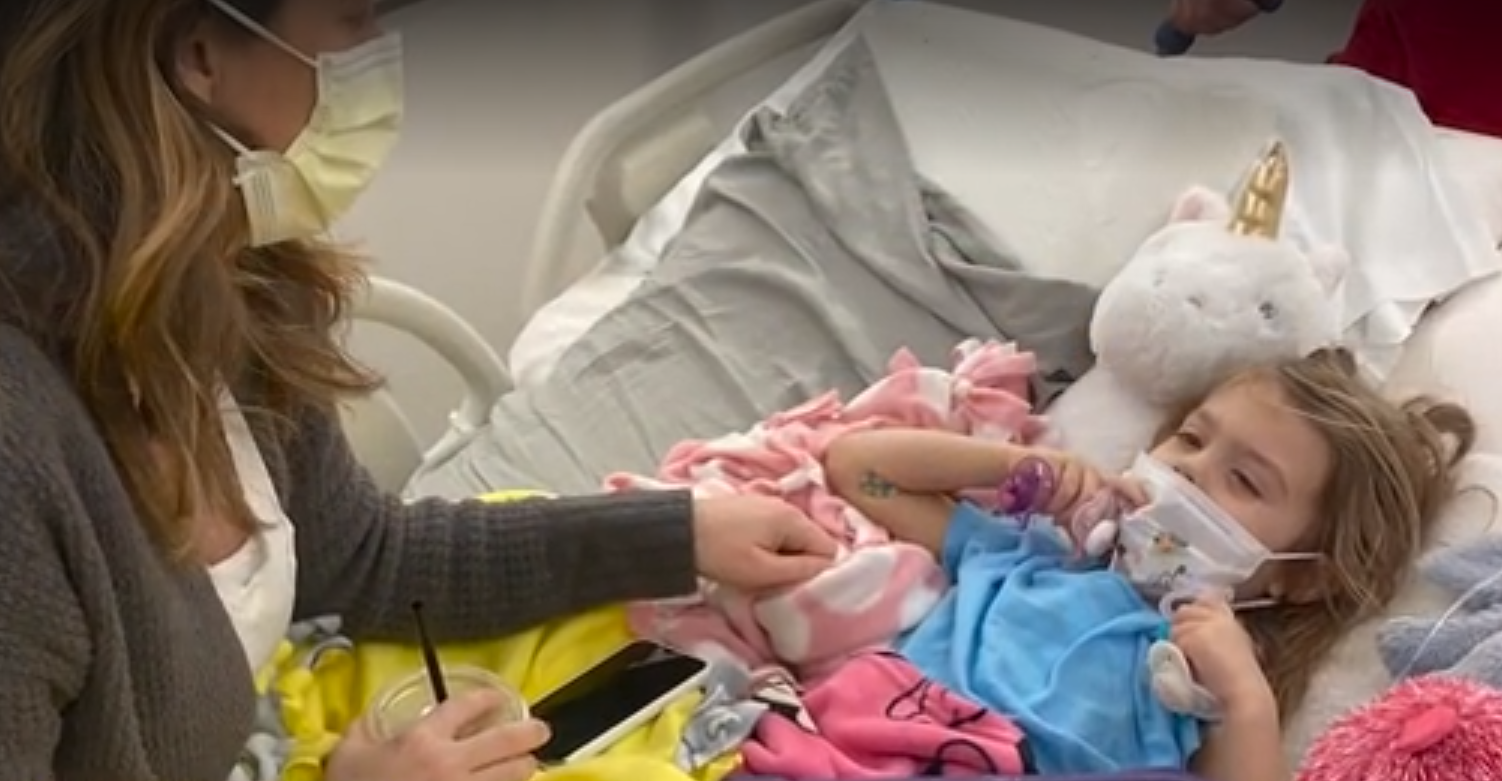
Two years earlier, the hallway of the pediatric oncology ward in Columbus, Ohio, smelled permanently of industrial lavender and rubbing alcohol. It is a scent that hitches a ride on your clothes and burrows into your memory, staying there long after you leave. For Lily’s parents, that smell became the backdrop of their worst nightmares. Acute lymphoblastic leukaemia is a collection of syllables that no mother or father is ever prepared to hear. It turns a vibrant childhood into a stark calendar of white blood cell counts, chemotherapy cycles, and the terrifyingly quiet hum of medical pumps.
Lily survived. She beat the odds, her hair grew back in soft, wispy curls, and the color returned to her cheeks. Yet, the day a child is declared in remission isn't the day the story ends. The ghosts of the ward follow you home.
The Weight of a Cold Statistic
We often treat medical recoveries as clean victories. We look at the data, see a survival rate, and breathe a sigh of relief. According to national health statistics, the five-year survival rate for childhood leukaemia has thankfully climbed significantly over the decades, now sitting at over 90 percent. That is a triumph of modern science. It is a testament to billions of dollars channeled into oncology research.
But a statistic cannot feel the cold linoleum floor under its knees at three o’clock in the morning.
When a family escapes the oncology ward, they carry an invisible debt. It isn't just financial, though the invoices from insurance companies arrive with relentless predictability. It is an emotional debt, a lingering question of why. Why did our child get to walk out of those double doors when the family in room 412 did not?
Lily felt that weight, even if she didn't have the vocabulary to explain it to her schoolteachers. Children who survive trauma develop a hyper-tuned radar for the suffering of others. They watch the adults. They notice the sudden drops in conversation when they walk into a room. They remember the names of the friends they made while hooked up to IV poles—friends who suddenly weren't there anymore.
The Secret in the Pretzel Jar
The fundraising began without a grand announcement. Lily didn't ask her parents to set up a digital crowdfunding page. She didn't launch a viral social media campaign. Instead, she started asking neighbors if she could pull weeds from their gardens. She washed bicycles for fifty cents. She negotiated a deal with her grandfather to earn a dollar for every book she read cover to cover.
Every cent went into the pretzel jar.
For months, her parents watched the jar fill up, assuming Lily was saving for a major milestone. A trip to a theme park, perhaps. A high-end gaming console. A puppy. They indulged the mystery, pleased to see their daughter possessing such fierce determination after months of physical frailty. The sheer stamina required for an eight-year-old to amass thousands of dollars through sheer, localized grit is hard to overstate. It took hundreds of tiny interactions, door-to-door knocks, and hours spent counting coins on the living room rug.
By the time the jar overflowed into a shoebox, and then into a second shoebox, the total had reached exactly $5,000.
When Lily finally announced that she was ready to go to the bank, her parents sat her down at the kitchen table. They were smiling, eager to witness the payoff of their daughter's obsession. They expected her to name a toy store.
"I want to give it to the doctors," Lily said, her voice small but entirely devoid of hesitation. "For the kids who are still in the beds."
Her father nodded, entirely proud but assuming he understood the childlike innocence behind the gesture. "That’s beautiful, Lily. You want to help find a cure so nobody else gets sick."
Lily looked at her hands, tracking a small, faded scar on her arm where a central line used to be. "No," she said softly. "The doctors are already trying to do that."
She looked up, her eyes wide, steady, and devastatingly clear.
"I'm giving them the money so they can buy the expensive medicine for the parents who cry in the hallway because they can't pay for it. I saw a dad hiding behind the vending machine because he didn't have enough dollars for the pills. I don't want anyone to lose their kid just because of a wallet."
The Reality Behind the Glass
The silence that followed was absolute.
Her parents had spent two years shielding Lily from the financial terror that hovered over their household like a storm cloud. They had spoken in whispers late at night, balancing checkbooks, arguing with insurance adjusters, wondering if they would have to sell their home to keep their daughter alive. They thought they had hidden it perfectly. They thought Lily was entirely oblivious to the brutal financial machinery that grinds alongside life-threatening illness.
They were wrong.
Cancer research requires vast fortunes. Developing a single new oncology drug can cost upwards of a billion dollars, navigating a decade-long labyrinth of clinical trials, laboratory testing, and regulatory approval. We need that high-level funding desperately. Without it, survival rates remain stagnant.
But there is a secondary, immediate crisis happening on the ground floor of every children's hospital. It is the crisis of access.
Consider what happens next when a breakthrough drug is discovered: it enters a market where a single course of treatment can equal a family’s annual income. Even with insurance, the co-pays, the travel expenses, the missed days of work, and the specialized outpatient care create a crushing economic burden. A parent standing in a hospital pharmacy shouldn't have to choose between a mortgage payment and a life-saving prescription. Yet, that choice is made every single day in medical centers across the country.
An eight-year-old child, sitting in a wagon being wheeled down a hospital corridor, managed to see through the complex architecture of healthcare economics to the raw human truth underneath. She didn't see a system. She saw a father weeping by a vending machine over a lack of paper bills.
The Currency of Survival
Lily’s $5,000 donation was officially delivered to the regional pediatric research foundation later that week. In the grand ledger of cancer research, where grants are measured in millions, a few thousand dollars in small bills might look like a drop in the ocean.
But money has a different value depending on who gives it and why.
To the research department, that money was allocated to a patient assistance fund, specifically designed to cover the immediate, out-of-pocket medication costs for families facing financial hardship. It purchased breathing room. It bought time. It ensured that a few more parents could sit by their child’s bedside without the specter of bankruptcy looming over the heart monitor.
The true impact of Lily's gesture wasn't the numerical value stamped on the bank receipt. It was the total shattering of the illusion that children don't understand the cost of survival. They see the toll. They feel the fractures in their families, the unspoken panic, the invisible stakes of every phone call with a doctor.
The plastic pretzel jar sits empty on the kitchen counter now. The fluorescent lights still reflect off its clear sides, but the room feels entirely different. The silence that once filled the Ohio living room has shifted from a heavy weight of unaddressed trauma into something resembling awe.
Lily is back in school, worried about spelling tests and recess games, running across the playground with a frantic, beautiful energy that defies her medical history. But the neighbors still talk about the little girl who knocked on doors asking to pull weeds, carrying the memory of a crying stranger in a hospital hallway, carrying the absolute certainty that no one should ever have to put a price tag on a heartbeat.