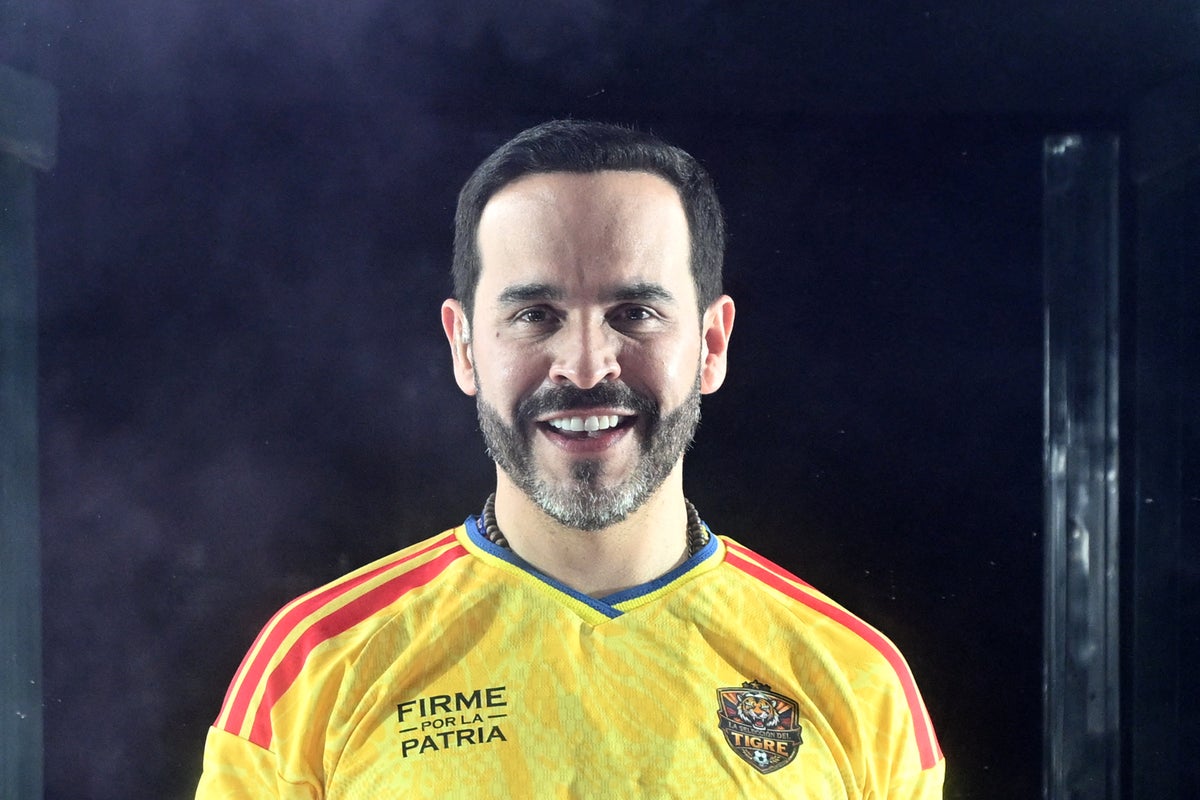
Colombia just experienced a political earthquake that will shake all of Latin America. Abelardo de la Espriella, a flashy, ultra-wealthy criminal defense lawyer with zero previous government experience, just won the presidential runoff election. He managed a razor-thin victory against progressive senator Iván Cepeda, securing 12.96 million votes to Cepeda’s 12.7 million.
The vote marks an abrupt, hard-right turn for a country that spent the last four years under its first-ever leftist leader, Gustavo Petro. Voters completely rejected Petro's idealistic security strategies, opting instead for a brash outsider who literally calls himself "El Tigre" (The Tiger) and promises to hunt down criminals like vermin. If you want to understand why Colombia pivoted so radically, you have to look at the total breakdown of the previous administration's security policies and a growing regional obsession with iron-fist governance. Meanwhile, you can read similar developments here: The Mechanics of Urban Violence Intervention Evaluated Through Constitutional and Operational Frameworks.
The Backlash Against Total Peace
You can't understand De la Espriella’s rise without looking at the failures of the outgoing government. President Gustavo Petro staked his entire legacy on a policy called "Total Peace," an ambitious plan aimed at negotiating simultaneous ceasefires with various guerrilla groups and drug cartels.
It backfired terribly. Instead of pacifying the country, the vacuum allowed criminal organizations to expand their territories, push cocaine production to historic highs, and terrorize rural communities. By the time the 2026 campaign cycle rolled around, voters were exhausted by daily headlines of extortion, kidnapping, and turf wars. To understand the full picture, check out the recent article by Al Jazeera.
De la Espriella weaponized this exhaustion. He campaigned behind bulletproof glass, telling voters exactly what they wanted to hear: negotiations are over, and the military is coming back.
He didn't offer nuanced social programs. He promised to construct 10 massive mega-prisons, explicitly modeling his strategy after El Salvador’s president, Nayib Bukele. When a candidate tells the public he will unleash divine wrath on narcoterrorists, it sounds extreme to outsiders, but to a population living under the thumb of local gangs, it sounded like a lifeline.
The Trump Factor and the New Washington Alliance
The incoming president didn't just look to El Salvador for inspiration; he built his brand around his open adoration of U.S. President Donald Trump. Though Trump waited until after the first-round voting to officially endorse De la Espriella, the two are cut from the exact same populist cloth. Both are wealthy, media-savvy figures who use aggressive rhetoric to bypass traditional political establishments.
This win instantly resets Colombia's relationship with Washington, which had grown incredibly tense during the Petro years. The political shift aligns perfectly with the current U.S. administration's focus on heavy-handed regional security. U.S. Secretary of State Marco Rubio immediately congratulated De la Espriella, signaling a swift return to coordinated military operations in the Caribbean and Pacific to intercept drug shipments.
For the U.S., having a staunch ally in Bogotá is crucial for regional strategy, especially with expanding conservative leadership across neighboring countries like Ecuador and Chile. De la Espriella has already stated that a tight alliance with Washington is his top priority for dismantling organized crime.
A History of Defending the Extreme Right
While De la Espriella pitched himself as a political outsider, his legal career is deeply intertwined with Colombia’s most controversial historical chapters. He built his fortune and reputation defending high-profile right-wing figures, most notably former President Álvaro Uribe.
More notoriously, he served as a defense attorney for leaders of the United Self-Defense Forces of Colombia (AUC)—the brutal paramilitary groups created by wealthy landowners to fight leftist guerrillas in the 1990s and 2000s. His critics, including his defeated opponent Iván Cepeda, argue that his victory represents a dangerous return to a dark, mafia-run past fueled by paramilitary influence.
The new president’s past client list even includes figures like Alex Saab, a key financier for the Venezuelan regime who faced major criminal charges in the United States. De la Espriella cuts ties with clients when it suits his political trajectory, but his deep connections to Colombia's traditional right-wing power brokers make his "outsider" label a bit of a stretch. He's an insider who simply never held an official government paycheck until now.
A Fragmented Nation Bracing for Turmoil
Don't expect a smooth transition of power. The margin of victory was less than one percent, representing a difference of only about 250,000 votes. Because of this tiny gap, Petro and Cepeda initially refused to concede the preliminary results, alleging irregularities in the vote count and demanding a full audit of 33,000 polling stations.
Though De la Espriella used his victory speech in Barranquilla to strike a somewhat conciliatory tone—promising to respect the constitution and protect the rights of those who voted against him—the streets tell a different story. Protests have already erupted in cities like Cali, where angry demonstrators clashed with police and burned U.S. flags.
The incoming president enters office with a deeply divided population and a fragmented Congress, meaning his ambitious plans to reshape the judiciary and expand the military will face immediate institutional roadblocks. Under Colombian law, the runner-up in the presidential race automatically receives a seat in the Senate, meaning Iván Cepeda will lead a fierce legislative opposition from day one.
Immediate Steps for Regional Observers
If you operate a business, manage investments, or follow security policy in Latin America, you need to adapt to this new reality immediately. The political risk landscape in the Andean region just changed completely.
- Anticipate Short-Term Unrest: Expect sporadic protests and labor strikes in left-leaning urban strongholds like Bogotá and Cali over the next two months as the official election scrutiny concludes and the transition begins.
- Monitor Security Policy Shifts: Prepare for an immediate escalation in military presence along major transit corridors and rural ports. The business environment will likely see stricter compliance checks as part of the anti-money laundering push.
- Watch the Currency Markets: The Colombian peso will likely experience high volatility in the coming weeks as foreign investors weigh the promise of a pro-business administration against the reality of intense domestic polarization.
The era of total peace is dead. Colombia has chosen the path of total force, and the entire region will feel the impact of that choice.
For a deeper look into how this high-stakes election unfolded on the ground, you can watch this Colombia election analysis video, which breaks down the competing security visions and the immediate challenges facing the deeply divided nation.


