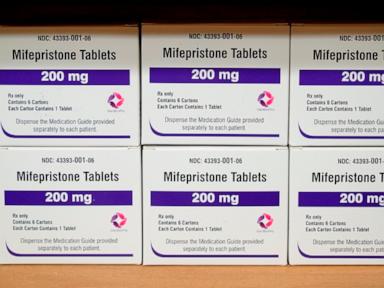
The legal struggle over mifepristone isn't just about a drug anymore. It’s become the heartbeat of the 2026 midterm election season. When a federal appeals court recently pushed to halt mail-order abortion pill access, the immediate chaos reminded everyone that reproductive rights are incredibly fragile.
Even though the Supreme Court stepped in on May 4 to temporarily pause those restrictions, the whiplash is real. Patients and doctors are trapped in a loop of uncertainty. One week you can get care via telehealth, the next you might be forced to drive hundreds of miles to a clinic. This instability is exactly what voters are noticing.
Why This Fight Matters Now
You might wonder why we are back here again. After all, the Supreme Court rejected a major challenge to mifepristone in 2024. Yet, new lawsuits from states like Louisiana keep the pressure high. The core of these legal battles is an attempt to override the Food and Drug Administration’s long-standing regulatory authority.
Anti-abortion groups aren't just aiming for state-level bans. They are going for the jugular: the federal approval and distribution network of the drug itself. Because mifepristone is used in roughly two-thirds of abortions in the United States, any restriction on its delivery method ripples across all 50 states.
It doesn’t matter if you live in a blue state or a red state. The legal precedent being set in these courtrooms affects national healthcare standards.
The Election Connection
Politics and medicine are colliding. Candidates on both sides of the aisle are finding that their positions on abortion are no longer just talking points. They are deciding factors for voters.
We’ve seen it at the ballot box. Since the 2022 Dobbs ruling, abortion has been on the ballot in numerous states. Voters frequently support measures that protect access. Now, as the 2026 midterms heat up, the uncertainty surrounding the abortion pill is pushing reproductive rights back to the top of the agenda for many voters who might have otherwise stayed home.
Consider these realities:
- The "Shield Law" conflict: Democratic-led states have passed laws to protect doctors who mail pills across state lines. Conservative states are aggressively trying to strike these laws down.
- The FDA pressure: There is heavy political pressure on the current administration to re-review mifepristone. This forces officials to take a stand. They can no longer play it safe by staying on the sidelines.
- Voter engagement: When access feels threatened, people show up. The current legal tug-of-war acts as a massive motivator for voters who fear a nationwide restriction on medication abortion.
Misconceptions About Access
There is a lot of noise out there. Let’s cut through it.
Many people think that if the courts ban mail-order pills, abortions will simply stop happening in those regions. History and recent data tell a different story. When access to regulated, safe medication is restricted, people don't stop needing care. They look for alternatives. Some travel long distances. Others might turn to less regulated sources.
Restrictions don't reduce the need for abortion. They just make the process more difficult, more expensive, and potentially more dangerous for the patient.
Furthermore, the idea that this is only an "abortion issue" is misleading. Mifepristone is also vital for miscarriage management. When access to this drug is jeopardized, doctors lose a crucial tool for treating patients facing complications from early pregnancy loss. This creates a medical crisis that affects far more people than just those seeking elective procedures.
What You Should Know About the Current Legal Status
As of May 2026, the situation is evolving rapidly.
- The Temporary Pause: The Supreme Court’s recent order is a short-term fix. It restored the status quo, allowing telehealth and mail-order access to continue for now.
- The Deadline: Justice Samuel Alito’s order is effective until at least May 11, 2026. This gives the Court time to evaluate emergency requests from drug manufacturers like Danco Laboratories.
- The Bigger Picture: These emergency filings are just one layer of a complex, multi-state legal offensive. Even if the Supreme Court rules in favor of mail-order access this month, other cases waiting in the wings could continue to challenge the drug’s FDA approval status.
Practical Steps for Staying Informed
If you are following this topic, don't rely solely on headlines. The legal maneuvers are technical, but the impact is personal.
- Track your state’s position: Check the attorney general's office or state health department for updates on local restrictions. Policies change fast.
- Verify your provider: If you are seeking care, ensure you are working with a licensed, reputable telehealth service. Many legitimate providers have contingency plans for exactly these kinds of legal hurdles.
- Understand your rights: If you live in a state with "shield laws," know what protections are in place. These laws are designed to shield you and your doctor, but the legal landscape remains complicated.
This issue isn't disappearing before the polls open. As the court cases continue to unfold, expect to hear more about mifepristone from every major candidate. It’s become a litmus test for how much control the government should have over private medical decisions. For millions of Americans, that is the single most important question of the 2026 election cycle.