When headlines break about a woman shot in Glasgow while police hunt the attacker, the immediate reaction across Scotland is shock. And honestly, it should be. Unlike major cities across the Atlantic, firearm offences in Scotland's largest city aren't daily background noise. They're rare, jarring anomalies that trigger massive, immediate armed police responses.
If you're trying to make sense of what's happening on the ground right now, you're likely looking past the sensationalist breaking news banners. You want to know how safe the streets actually are, how Police Scotland handles active manhunts, and why firearms occasionally surface in a country with some of the strictest gun laws on the planet. You might also find this connected coverage useful: Why Police Warnings About Winnipeg Distraction Thefts Are Actually Making You an Easier Target.
Here's the unvarnished reality of how Glasgow deals with gun violence, what happens during an active armed police search, and what local residents need to do when an incident unfolds nearby.
Why Firearms Incidents in Glasgow Spark Massive Responses
Scotland doesn't mess around with guns. Following the 1996 Dunblane tragedy, the UK enacted some of the toughest firearm legislation in the world, effectively banning private ownership of handguns. Because legal access is practically nonexistent for the general public, any shooting in Glasgow immediately signals serious, organized criminality or an extreme domestic crisis. As extensively documented in detailed coverage by The Guardian, the implications are notable.
When a shooting is reported, Police Scotland doesn't send a standard patrol car to take notes. They deploy Armed Response Vehicles (ARVs).
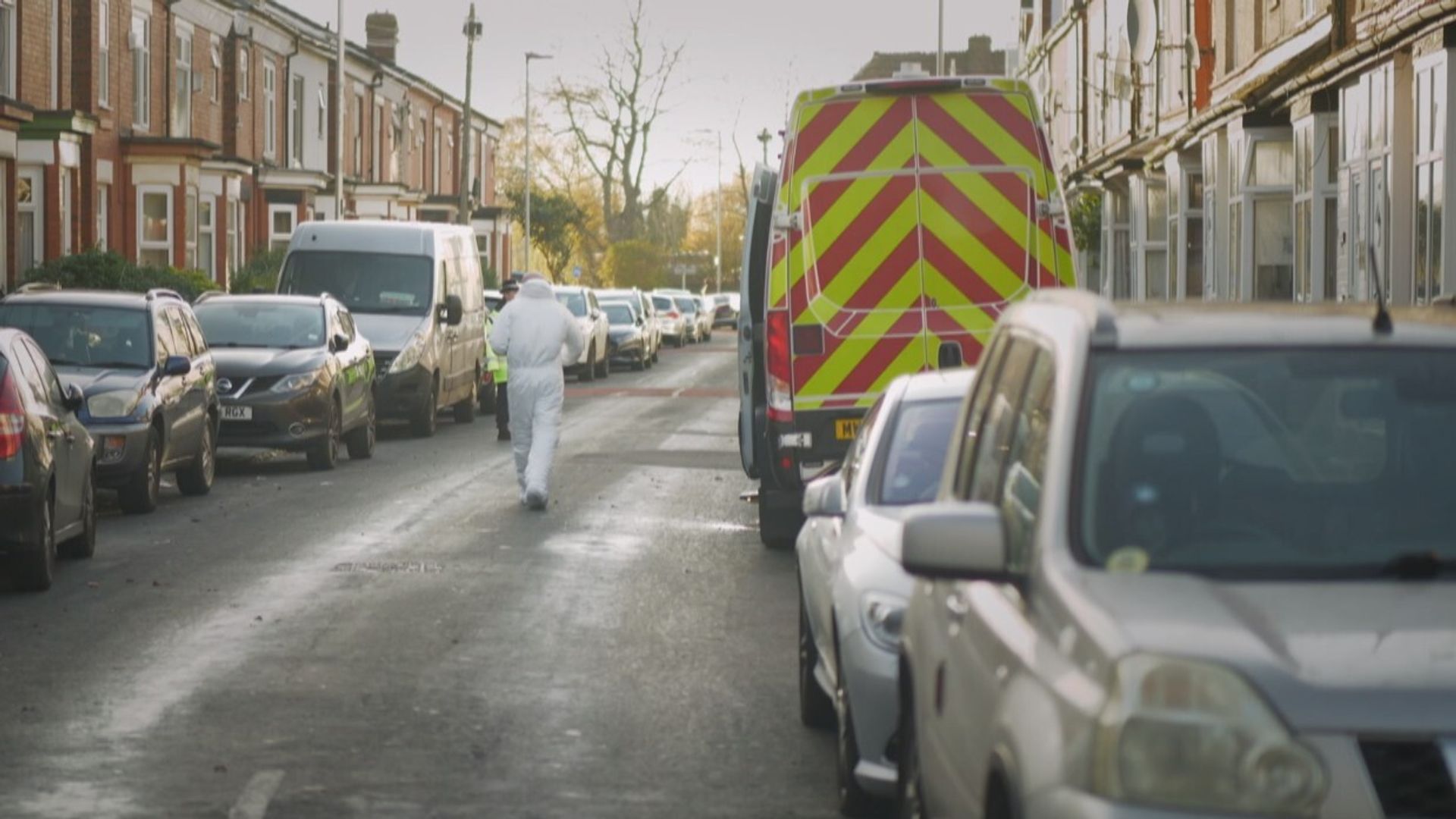
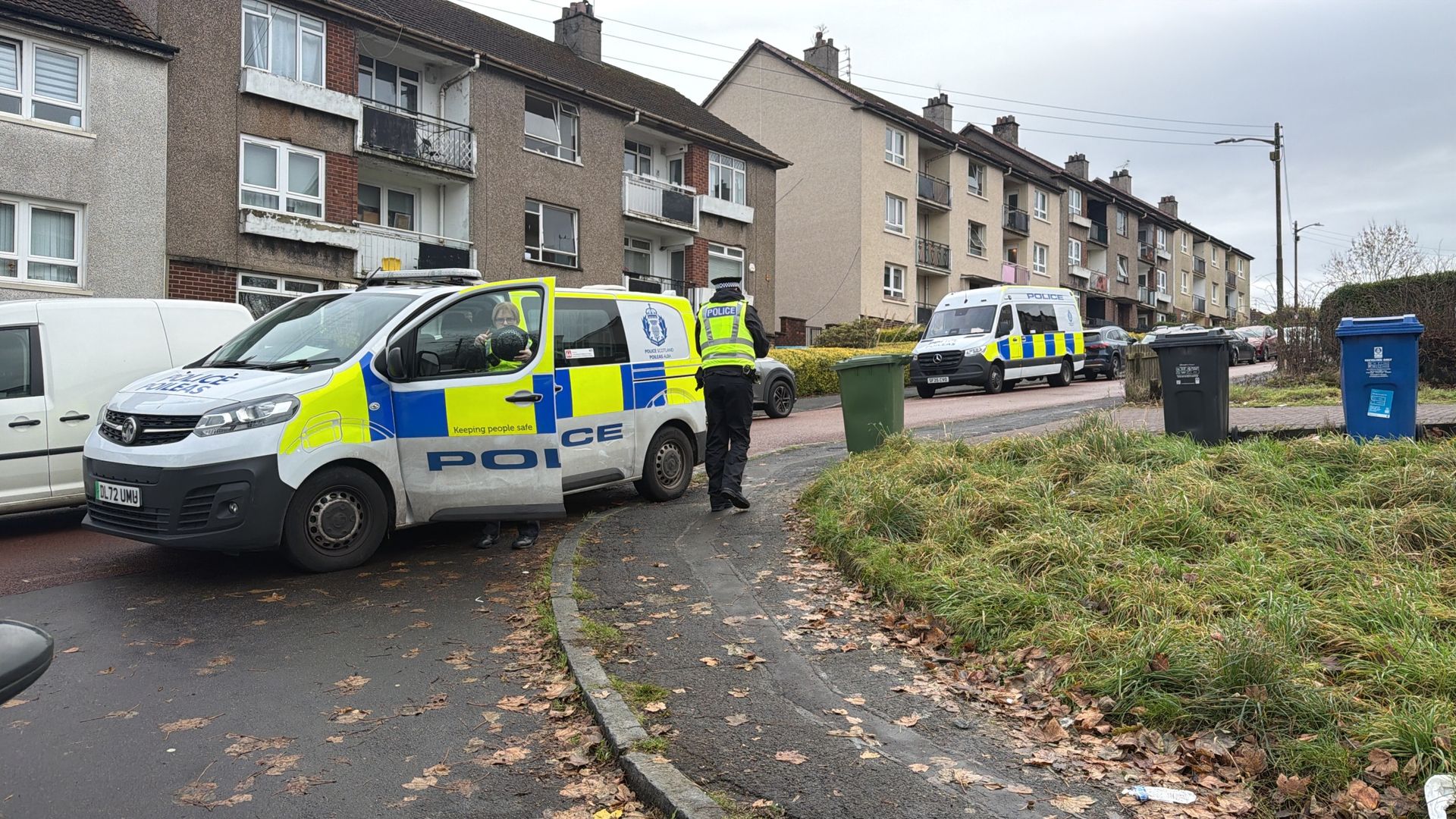
You'll see the cordons go up within minutes. Forensic tents appear. Door-to-door inquiries begin before the local news even publishes the first push notification. According to official Scottish Government recorded crime statistics, firearm offences account for a tiny fraction of overall violent crime—usually hovering around a few hundred recorded incidents across the entire country each year, the vast majority of which involve air weapons rather than lethal handguns or shotguns.
So when a live round actually strikes someone in a residential street or city centre close, it becomes the top operational priority for the Greater Glasgow Division.
Targeted Attacks vs. Random Street Violence
One of the biggest misconceptions people have when reading a headline like "Woman shot in Glasgow as police hunt attacker" is assuming there's an active shooter roaming the city targeting random pedestrians.
In almost every documented firearm incident in Glasgow over the last two decades, Police Scotland detectives quickly establish that the attack was targeted. Criminologists and former senior detectives from the old Strathclyde Police force have repeatedly pointed out that illegal firearms in the West of Scotland are expensive, hard to source, and fiercely guarded by organized crime groups (OCGs). Criminals don't waste rare ammunition on random passersby.
That doesn't make it less terrifying for the community. Stray bullets don't care about gang rivalries, and cases of mistaken identity have happened in Glasgow before. A targeted hit on a residential street still puts neighbors, delivery drivers, and kids walking home from school in immediate danger.
Inside a Police Scotland Manhunt
When a shooter flees the scene, the clock starts ticking on the "golden hour" of forensic and digital investigation. Having watched how Police Scotland operates during major incidents, their playbook relies heavily on three distinct layers of tracking.
First, there's the physical containment. Local officers lock down the immediate crime scene to preserve shell casings, ballistic trajectories, and DNA evidence. Meanwhile, armed units sweep nearby parks, industrial estates, and transport hubs like Glasgow Central, Queen Street, and the Subway network.
Second, Glasgow has one of the densest CCTV networks in the UK. Glasgow City Council's Community Safety cameras, combined with private business feeds, Ring doorbells, and dashcams, create a digital breadcrumb trail. Detectives assign dedicated CCTV officers to trace the suspect's route backward before the shooting and forward after they fled.
Third, intelligence-led policing kicks in. If the firearm is linked to known feuds in areas like the East End, North Glasgow, or neighboring Lanarkshire, specialized units like the Specialist Crime Division already have a short list of suspects and associates.
Why Suspects Often Vanish Temporarily
You might wonder how an attacker escapes when the city is blanketed in cameras. It usually comes down to burned-out vehicles and safe houses.
In classic Glasgow underworld fashion, getaway cars are almost always stolen days or weeks in advance, fitted with cloned license plates, and torched in a secluded spot—like a canal path or rural lay-by—within twenty minutes of the shooting. By the time fire crews put out the blaze, the suspect has switched to a clean vehicle or gone to ground in a sympathetic address.
What the Data Says About Violent Crime in Scotland
To understand where a shooting fits into the broader picture, you have to look at the numbers rather than just the social media panic.
Twenty years ago, Glasgow was infamously labeled the "murder capital of Europe" by certain media outlets, largely driven by knife crime and territorial street gangs. That reputation is massively outdated. The establishment of the Scottish Violence Reduction Unit (VRU) in 2005 fundamentally changed how the city approached violence, treating it as a public health issue rather than purely a policing problem.
According to Scottish Government statistics:
- Homicide rates in Scotland have dropped by roughly half since the mid-2000s.
- Non-sexual crimes of violence have seen long-term downward trends, despite occasional localized spikes.
- When firearms are used in offences, less than 10% typically result in fatal or severe physical injury, largely because many recorded incidents involve intimidation or airguns.
However, experts in serious organized crime note a stubborn reality. While street-level knife crime plummeted, high-level drug trafficking in the West of Scotland became more lucrative and fiercely contested. EncroChat hacks—the massive European law enforcement infiltration of encrypted criminal phones in 2020—revealed just how actively Glasgow crime groups were trading automatic weapons, handguns, and grenades behind the scenes. Police intercepted dozens of weapons before they ever hit the streets, preventing what could have been a wave of public shootings.
How to React If an Armed Incident Happens Near You
If you live in Glasgow and suddenly find police tape blocking your street, or you hear what sounds like gunfire, what you do in the first ten minutes matters. Most people freeze, or worse, walk toward the commotion to film it for TikTok. Don't be that person.
- Get indoors and away from windows. Brick and stone tenements in Glasgow offer solid cover, whereas glass windows offer zero protection against ricochets or stray rounds.
- Stay off the police cordon. Armed officers operating under high stress don't have time to explain why you can't walk your dog past the tape. Follow their instructions immediately and without argument.
- Preserve your dashcam or doorbell footage. If you live within a half-mile of an incident, check your Ring doorbell, CCTV, or parked car's dashcam right away. Overwriting happens fast. Don't upload the footage to Facebook groups—hand it directly to detectives when they knock, or call 101 to log that you have it.
- Report burned-out cars or suspicious dumping. If you're walking in a quiet park or industrial estate and see a car freshly torched or someone ditching a bag in a bin or canal, call 999 immediately. You might be looking at the primary forensic evidence in a major investigation.
Separating Rumor From Verified Police Updates
Whenever a major incident occurs in Glasgow, local WhatsApp groups and X (formerly Twitter) threads go into overdrive within minutes. Names get thrown around. False death announcements circulate. Wrong addresses get targeted by vigilantes.
Rumors don't just spread panic; they actively derail prosecutions. Under Scotland's strict Contempt of Court laws, publishing names, photos, or speculative accusations on social media once an arrest is made can collapse an entire High Court trial. If a defense lawyer proves a jury was prejudiced by viral misinformation online, a shooter can walk free on a technicality.
Stick strictly to official statements released via the Police Scotland website or their verified Greater Glasgow social media channels. Journalists at established Scottish outlets like STV News, BBC Scotland, and The Herald verify details directly with the Crown Office and Procurator Fiscal Service (COPFS) before publishing, meaning their updates lag behind Twitter gossip for a very good reason.
Practical Steps for Staying Informed and Safe
If you're following an ongoing manhunt in the city, take a few basic precautions until Police Scotland confirms an arrest has been made:
- Check the Police Scotland Greater Glasgow updates before commuting through affected neighborhoods, as forensic cordons frequently close major bus routes and arterial roads for days.
- Contact Crimestoppers anonymously at 0800 555 111 if you recognize a suspect description or vehicle plate; they don't trace calls or IP addresses, and your identity never enters a police file.
- Keep your home security cameras synced to the correct date and time, because footage with an inaccurate timestamp can be challenged by defense attorneys in court.
Glasgow remains one of the friendliest, most resilient cities in the UK, and violent firearm attacks are still the exception rather than the rule. Stay alert to official police perimeter warnings, keep speculative rumors off your social feeds, and let armed response teams clear the area before returning to normal routines.