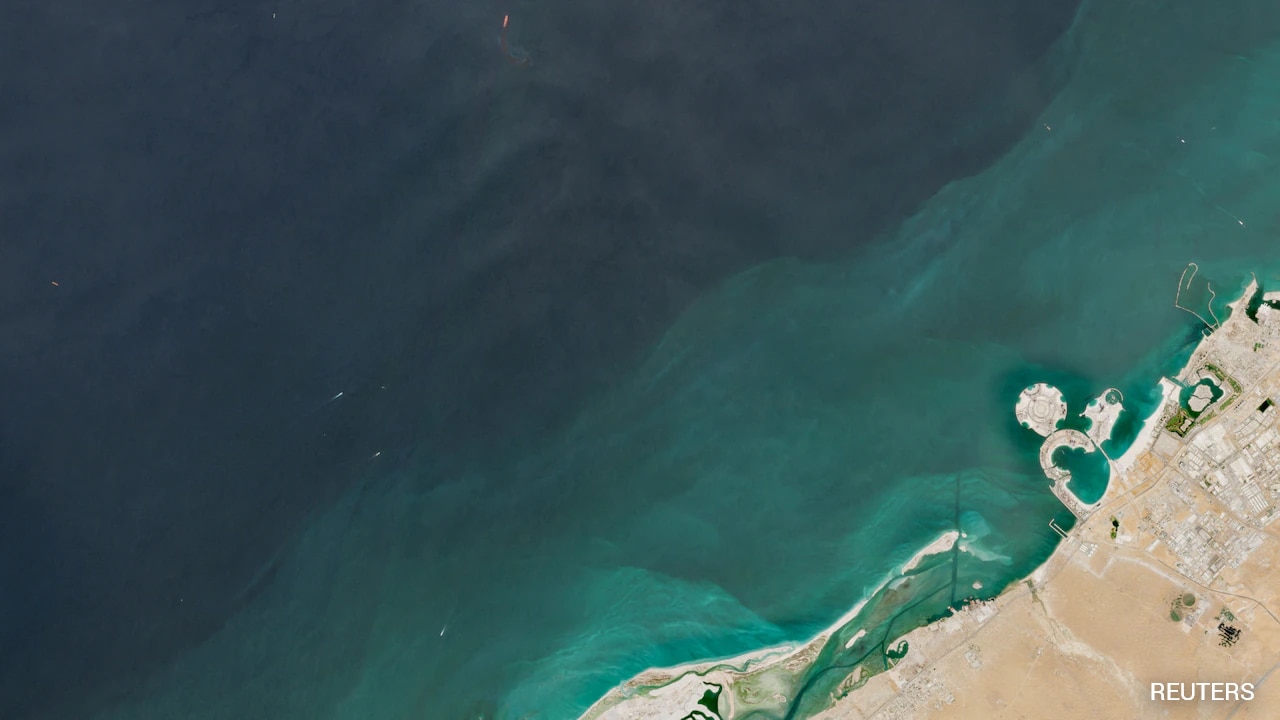
Red flags are up across the northern coast. If you were planning a weekend dip in the Arabian Gulf, cancel those plans right now.
Ras Al Khaimah just shut down all of its public beaches after a significant oil spill drifted toward its shoreline from neighboring cities. Most news outlets are treating this like a minor travel inconvenience, publishing three-sentence blurbs that leave residents and tourists guessing. That approach misses the entire point. When crude or heavy fuel oil enters the shallow waters of the Persian Gulf, you aren't just dealing with ruined swimwear—you're looking at a complex coastal emergency that impacts public health, marine habitats, and desalination intake systems.
Let's cut through the noise and look at what is actually happening on the ground, why neighboring spills hit RAK so hard, and what you should do if you're currently staying near the coast.
Why Ras Al Khaimah Closed Every Single Beach
Local authorities don't shut down an entire coastline on a whim. Tourism drives a massive chunk of Ras Al Khaimah's economy, and closing public access hurts hotels, beach clubs, and local vendors immediately.
The decision comes down to preventative containment. Oil doesn't stay neatly on the surface in deep water. Driven by prevailing northwesterly shamal winds and coastal currents, slicks break into tar balls and emulsified "mousse" that wash directly onto public sands. Once oil hits the intertidal zone, foot traffic grinds it deeper into the sediment, making cleanup ten times harder and vastly more expensive.
By locking down the beaches early, municipal teams and environmental agencies can deploy boom barriers, skimmers, and heavy cleanup crews without dodging sunbathers. It's an aggressive move. It's also the right one.
How Neighboring Spills Reach RAK So Quickly
Look at a map of the UAE's northern coastline. The emirates sit shoulder-to-shoulder along a relatively narrow stretch of water leading toward the Strait of Hormuz.
The Strait of Hormuz is one of the busiest maritime chokepoints on the planet. Millions of barrels of crude pass through these waters every single day, alongside container ships, bunkering vessels, and offshore energy infrastructure. When a leak, bunkering accident, or illegal bilge dump occurs near neighboring ports like Fujairah, Umm Al Quwain, or Sharjah, ocean currents act like a conveyor belt.
Water flows counterclockwise in the southern Gulf. That natural circulation pushes surface pollutants directly northeast along the UAE coast—straight toward Ras Al Khaimah's beaches, mangroves, and creeks. What starts as an offshore incident fifty kilometers away becomes a shoreline crisis in less than 48 hours.
The Hidden Risks Most Beachgoers Ignore
People see a black streak on the sand and think the worst thing that can happen is a ruined pair of flip-flops. Wrong.
Exposure to fresh or weathering petroleum brings real, immediate health risks that go way beyond stained skin. Fresh oil releases volatile organic compounds (VOCs) like benzene, toluene, and xylene into the air right above the water's surface. Breathing those fumes triggers headaches, dizziness, nausea, and severe respiratory irritation, especially in kids and anyone with asthma.
Direct skin contact is just as bad. Heavy fuel oils strip natural lipids from your skin, causing chemical burns, severe dermatitis, and allergic reactions. Even if the water looks clear, microscopic oil droplets suspended just beneath the surface can coat your skin and eyes before you realize anything is wrong.
What Happens to the Local Marine Ecosystem
Ras Al Khaimah isn't just luxury resorts and desert dunes. Its coastline shelters vital Avicennia marina (grey mangrove) forests, seagrass beds, and nesting grounds for sea turtles.
Mangroves are the nurseries of the Gulf. Their tangled root systems trap sediment and protect the coast from erosion, while sheltering juvenile fish, crabs, and shrimp. When oil washes into a mangrove creek, it coats the pneumatophores—the pencil-like aerial roots that stick out of the mud so the trees can breathe. Without oxygen, the mangroves suffocate and die. Recovery doesn't take weeks. It takes decades.
Sea turtles and shorebirds face an equally brutal reality. Diving birds lose the waterproofing in their feathers the second they touch an oil slick, leading to hypothermia or drowning. Turtles surface to breathe right through the thickest concentration of floating oil, inhaling toxic vapors and ingesting tar balls they mistake for jellyfish.
Does This Threaten Drinking Water in the UAE
Whenever an oil spill hits the Arabian Gulf, one question immediately spikes online: Is my tap water safe?
It's a fair question. Like the rest of the UAE, Ras Al Khaimah relies heavily on seawater desalination for its municipal water supply. Desalination plants pull massive volumes of seawater through intake pipes, filter out salts and impurities, and pump fresh water to homes and hotels.
Here is the reality. Modern desalination facilities in the UAE are built with maritime spills in mind. Intake pipes sit several meters below the surface, well beneath floating oil slicks. Beyond that, plants operate continuous hydrocarbon monitoring sensors at their intake channels. If sensors detect dissolved hydrocarbons approaching threshold limits, operators deploy floating containment booms around the intake zones or temporarily throttle production while switching to strategic reserve reservoirs.
Your tap water remains safe. Authorities monitor intake quality around the clock, and they have redundant storage systems specifically designed to bridge temporary coastal disruptions.
Practical Steps If You Are in Ras Al Khaimah Right Now
If you live in RAK or you're currently checked into a beachfront resort, don't panic, and don't try to play amateur environmentalist. Follow a few basic rules until the municipality lifts the restrictions.
- Respect the red flags and barriers. Lifeguards and municipal patrols aren't blocking access to ruin your holiday. Entering closed beaches puts you in contact with toxic compounds and gets in the way of heavy cleanup machinery.
- Keep pets far away from the shoreline. Dogs love rolling in weird smells and licking their paws afterward. Ingesting even a small amount of weathered crude or tar causes severe gastrointestinal damage and liver toxicity in pets.
- Never touch tar balls or wildlife. If you spot oiled birds, turtles, or globs of tar along an open promenade, leave them alone. Contact the Ras Al Khaimah Municipality or the Environment Protection and Development Authority (EPDA) so trained wildlife responders can handle the capture safely.
- Wash immediately if exposed. If you accidentally step on tar or get oil on your skin, don't use gasoline, paint thinner, or harsh solvents to scrub it off—those chemicals drive toxins deeper into your pores. Use vegetable oil, baby oil, or heavy-duty dish soap with warm water, then seek medical attention if irritation develops.
- Pivot your itinerary inland. RAK has plenty to offer away from the coast. Head up to Jebel Jais for mountain trails and cooler air, explore the Suwaidi Pearls farm in Al Rams (once local creek clearances are confirmed), or check out Dhayah Fort and the inland desert reserves.
Keep an eye on official updates from the Ras Al Khaimah Government Media Office and local municipal channels before heading back to the water. Beach reopenings happen in phases—authorities test sand samples and nearshore water quality before clearing each zone, so check your specific beach rather than assuming the entire coast opens at once.


