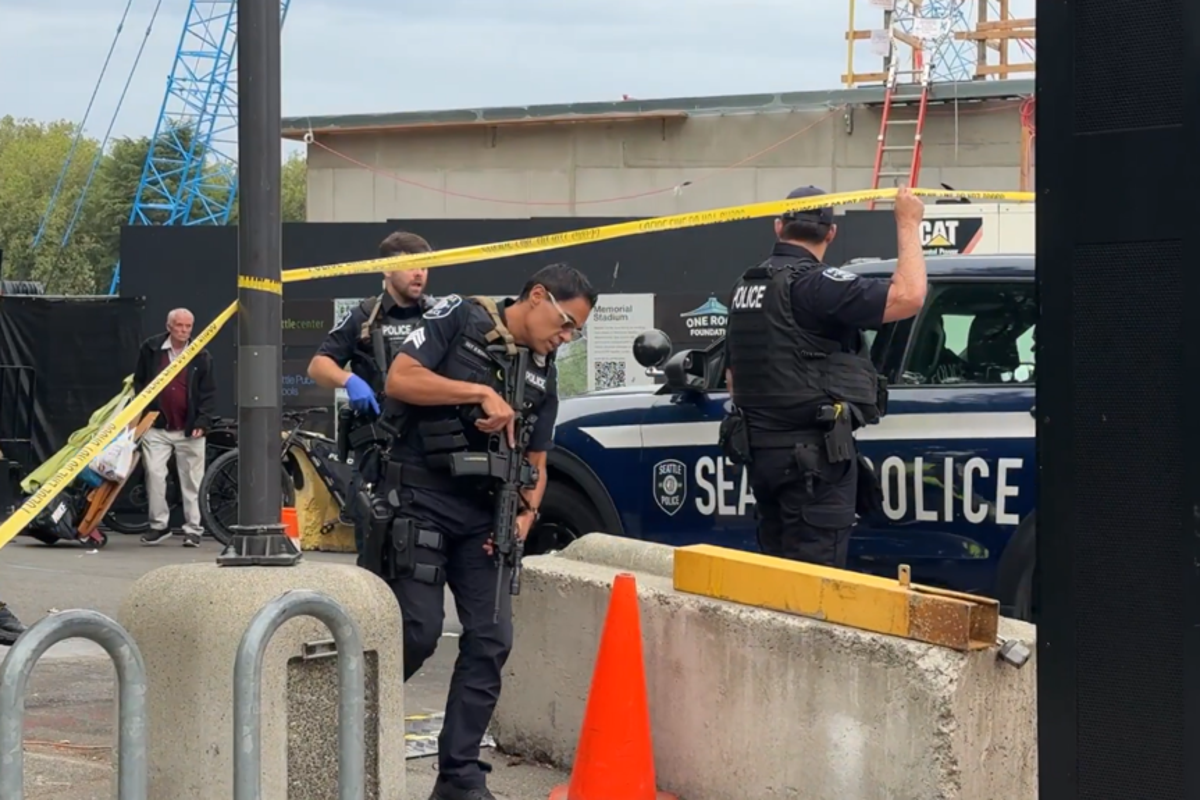
The air smelled of fried dough, caramelized sugar, and the unmistakable electricity of a late-summer weekend. It was the kind of afternoon that belongs to children on shoulders and teenagers sharing ice cream cones, the sprawling grounds of Seattle Center pulsing with the heartbeat of a community celebration. Laughter drifted from the food festival stalls, competing with the distant hum of the Monorail and the chatter of thousands of families soaking in the Pacific Northwest sun.
Then came the sharp, unnatural crack.
It did not sound like thunder. Thunder rolls. This was precise, violent, and abrupt.
In a fraction of a second, the sensory tapestry of joy tore apart. The laughter vanished, replaced by the collective intake of breath from a crowd realizing, with sickening clarity, that the noise was gunfire. People dropped paper plates heavy with festival food. Strollers were shoved frantically backward. A mother pulled her small daughter behind a vendor’s metal counter, her knuckles turning white as she pressed the child's face into her shoulder, whispering frantic reassurances against the rising wave of panic.
Chaos is a poor choreographer. It scatters people not toward safety, but away from noise, turning open plazas into scenes of desperate confusion.
According to emergency reports and local authorities, the violence erupted suddenly near the bustling food booths. When the smoke cleared and the terrifying echoes faded into the wails of approaching sirens, the toll was devastating. At least two lives were abruptly extinguished on the sunlit pavement, while others sustained serious wounds, transforming an afternoon of community celebration into a crime scene wrapped in yellow police tape.
Consider the ordinary vulnerability of public spaces. We walk through them every day, shielded by the quiet assumption that collective spaces belong to peace. We bring our children, our friends, our casual weekend moods, trusting the invisible social contract that binds strangers together in a crowd.
That contract broke on the concrete of Seattle Center.
First responders arrived in a blur of flashing crimson and blue lights. Paramedics pushed through the stunned throngs, wheeling gurneys toward the injured while police officers secured the perimeter, their rifles drawn against an invisible, departed threat. Helicopters began to chop the sky above, casting long, nervous shadows over the iconic Space Needle that looms quietly over the grounds.
For those who survived physically uninjured, the invisible wounds settled in immediately. The sound of a dropped tray in a restaurant weeks from now will trigger a flinch. The sight of a crowded festival will carry a heavy, invisible anchor of hesitation. This is the enduring collateral damage of public violence. It steals not just lives and health, but the careless freedom of public congregation.
We are left to grapple with an uncomfortable reality. Why do celebrations of life so frequently attract the darkest impulses of destruction?
The investigation continues. Detectives comb through witness statements, pore over grainy surveillance footage, and piece together the fractured timelines of the shooters and the victims. Families mourn in private rooms, confronted by the sudden, brutal absence of loved ones who left home simply to enjoy a sunny afternoon.
The food stalls have long since closed. The dropped paper plates have been swept away. But the chill left in the air by those few sudden cracks remains, a haunting reminder of how quickly a community can be forced to change its song.