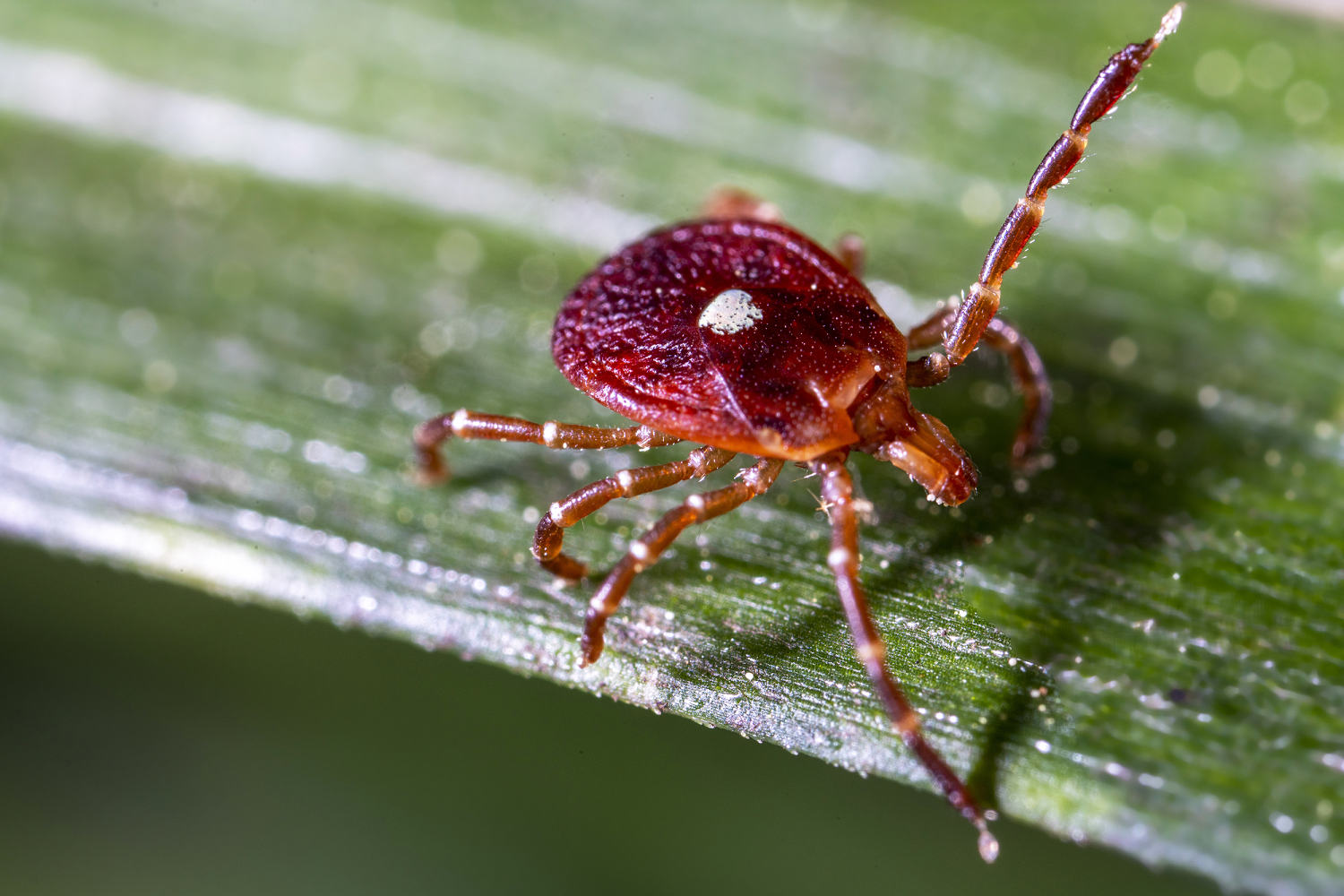
The media wants you terrified of the woods.
Every few months, a wave of copy-paste journalism hits the internet warning that millions of undetected citizens are one tick bite away from a lifetime of forced veganism. They point to the Lone Star tick, whisper the words "alpha-gal syndrome" like a ghost story, and imply that a single bite permanently rewires your biology to treat a ribeye steak like biological warfare.
It is a masterclass in medical alarmism.
Here is the lazy consensus: Alpha-gal syndrome (AGS) is an exploding, underdiagnosed epidemic, and anyone who gets bitten by a tick in the American South or East Coast is walking around with a ticking time bomb in their immune system.
Here is the reality: The data is being wildly misinterpreted, the testing is notoriously prone to false positives, and the human immune system is far more resilient than a sensationalized headline suggests. We are over-diagnosing a niche allergy and turning it into a cultural boogeyman.
The False Positive Trap They Aren't Talking About
Let’s look at how we actually measure this supposed epidemic. Most of these "millions at risk" headlines stem from retrospective analyses of IgE antibody testing.
Here is what the medical establishment does not mention in the press releases: carrying an antibody is not the same thing as having an active, symptomatic allergy.
In the world of immunology, presence does not equal pathology. The carbohydrate molecule in question—galactose-$\alpha$-1,3-galactose—is found in most mammals. When a Lone Star tick bites you, it can introduce this sugar into your bloodstream, prompting your body to create IgE antibodies against it.
But if you test everyone in a high-tick area, a massive chunk of the population will show low-level alpha-gal antibodies. They eat burgers every day without a single hive, stomach cramp, or drop in blood pressure.
When researchers look at blood samples and scream about a hidden epidemic, they are counting asymptomatic sensitization as a disease. It is bad science. If you have no symptoms two to six hours after eating red meat, you do not have alpha-gal syndrome, no matter what a baseline blood test says.
Your Immune System Does Not Freeze in Time
The second great myth of the alpha-gal panic is permanence. The narrative implies that once the tick bites you, you are barred from the steakhouse for life.
I have spent years looking at how chronic health trends intersect with public panic. The most overlooked aspect of alpha-gal is its capacity for remission. Unlike a peanut allergy, which frequently persists for a lifetime, alpha-gal antibody titers can—and often do—decline over time.
If you avoid subsequent tick bites, your immune system eventually forgets the insult. The IgE levels drop. The reactivity fades. Many people who genuinely suffer from the allergy find they can reintroduce pork, beef, and dairy back into their diets after a few years of careful tick avoidance.
The media treats the tick like a genetic editor that permanently alters your DNA. It isn't. It's a temporary irritant that creates a transient immune response.
Dismantling the "People Also Ask" Defeatism
When people search for information on this condition, they are met with advice that reads like a survivalist manual. Let's fix the bad advice floating around the internet.
"Can you cure alpha-gal syndrome?"
The standard answer is a definitive "No, you can only manage symptoms." This is technically true but practically misleading. There is no magic pill to wipe the antibodies out tomorrow. However, the "cure" is simply time and avoiding re-inoculation. By treating it like a permanent disability rather than a temporary immune hypersensitivity, patients adopt a state of learned helplessness.
"Is alpha-gal causing an undiagnosed epidemic of IBS?"
This is the newest frontier for wellness influencers. They claim that if you have unexplained bloating, you probably have a secret tick allergy. Let's be clear: alpha-gal reactions are delayed, but they are generally acute and systemic. We are talking about hives, anaphylaxis, or severe, sudden gastrointestinal distress hours after a heavy meat meal. Blaming everyday bloating on a rogue tick bite is a lazy shortcut that distracts from actual, treatable GI issues like SIBO, poor dietary choices, or stress.
The Cost of the Panic
Am I saying alpha-gal isn't real? Of course not. If you are one of the genuinely afflicted who breaks out in hives four hours after a burger, it is miserable. The danger of anaphylaxis is real, and carrying an EpiPen is a smart move for those confirmed cases.
But the cost of this overblown narrative is heavy.
We have people refusing to go outside, drenching themselves in neurotoxic levels of DEET to walk across a manicured lawn, and adopting restrictive elimination diets that ruin their nutritional health based on a vague headline.
We are pathologizing the outdoors.
The human body has evolved alongside ticks, parasites, and environmental allergens for millennia. The narrative that our immune systems are fragile glass houses waiting to be shattered by a single bug bite is a modern, hyper-sanitized illusion.
Stop letting epidemiological modeling scare you off your nutrition. If you get bitten by a tick, pull it out, move on with your day, and don't stop eating real food just because a headline told you to be afraid.