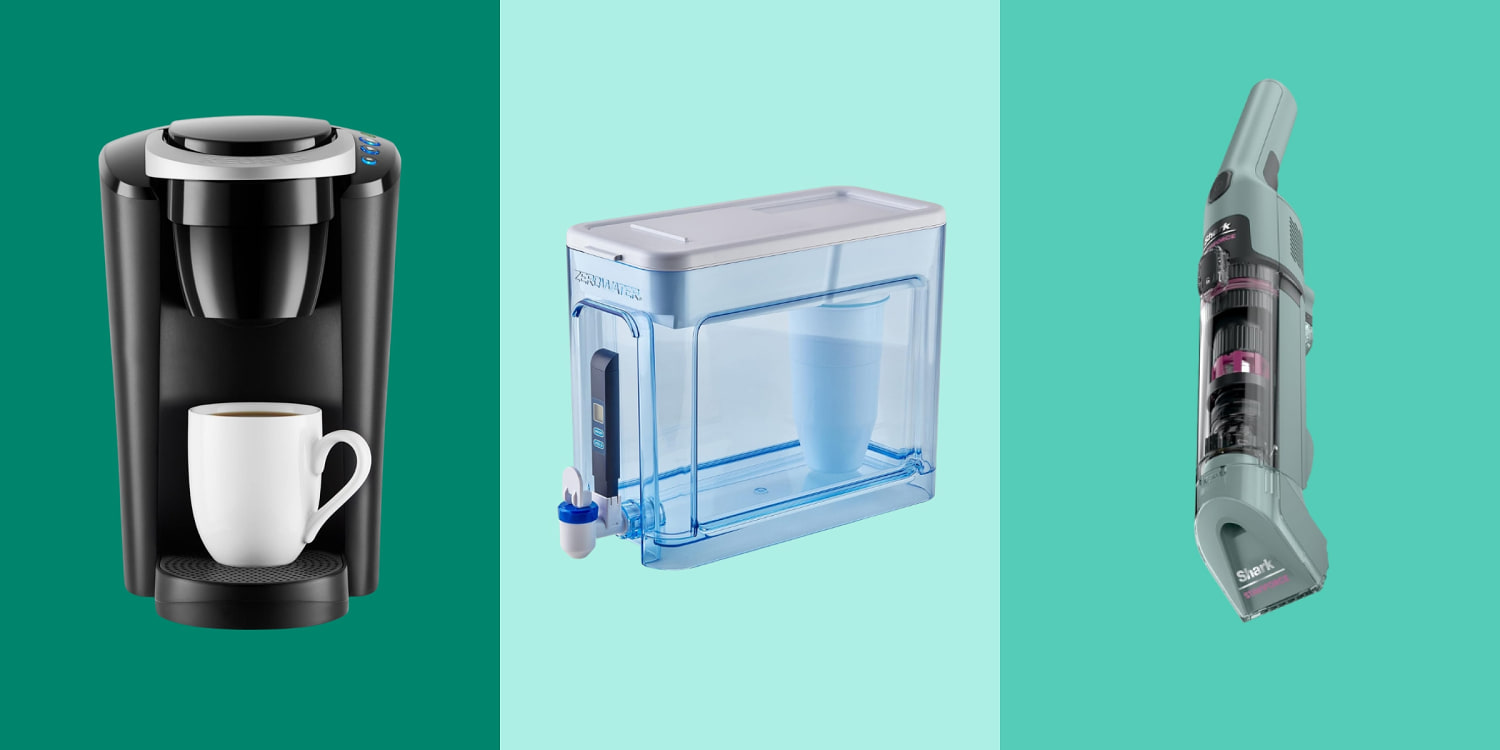
The Retail Trap You Are Walking Into
Stop looking at the countdown timers. Stop refreshing your cart for "early deals." The annual ritual of the Amazon Big Spring Sale is not a gift to the consumer; it is a sophisticated logistics maneuver designed to solve Amazon’s most expensive problem: stagnant inventory.
Most shoppers believe they are winning because they see a strike-through price and a percentage in red. They think they are beating the system. In reality, you are acting as unpaid warehouse clearance staff. I have spent years analyzing retail supply chains and consumer behavior algorithms. The truth is that these mid-season "sales" are less about value and more about clearing the "long-tail" items that are eating up cubic footage in fulfillment centers before the next cycle of hardware hits the shelves.
When you see a 30% discount on a two-year-old tablet or a "limited time" offer on a kitchen gadget, you aren't seeing a deal. You are seeing a depreciation curve. Amazon knows exactly when a product's storage cost exceeds its projected margin. That is when they "discount" it and tell you it’s a spring miracle.
The Mirage of the MSRP
The primary weapon in this psychological warfare is the Manufacturer’s Suggested Retail Price (MSRP). It is a fiction. Most products on Amazon, especially in the electronics and home goods sectors, almost never sell at the MSRP after the first 90 days of their lifecycle.
Retailers use "anchoring." By showing you a $500 original price next to a $350 sale price, your brain registers a $150 gain. However, if the market value of that item has been $375 for the last six months, your actual "deal" is $25. You didn't save $150. You spent $350 to save $25 on something you probably didn't need yesterday.
How to Spot the Fake Discount
- The Price Yo-Yo: Using price-tracking tools like CamelCamelCamel reveals the truth. You will often see the price spike 20% in the three weeks leading up to a "Big Sale" only to be "slashed" back to its normal running price.
- The "Vapor" Deal: These are items created specifically for holiday or event sales. They often have slightly different model numbers than the flagship versions and are manufactured with cheaper components to hit a specific "sale" price point while maintaining a margin.
- The FOMO Timer: That ticking clock is a physiological trigger. It bypasses the prefrontal cortex—the part of your brain responsible for logical decision-making—and engages the amygdala. You buy because you are afraid of losing, not because you are excited about winning.
Stop Asking "Is it a Good Deal?"
The "People Also Ask" sections of the internet are flooded with queries like "When does the Amazon Spring Sale start?" or "What are the best deals on Airpods?" These are the wrong questions. The premise is flawed because it assumes the sale is an event worth attending.
The right question is: "Is this item at its lowest historical price point, and does it serve a functional purpose in my life?"
If you cannot answer "yes" to both, you are being manipulated. I’ve seen data suggesting that up to 40% of impulse purchases during these high-velocity sales events end up as "clutter"—items that are never used more than three times. Amazon doesn't care. Once the return window closes, they have successfully offloaded their inventory risk onto your credit card statement.
The Hidden Cost of "Prime" Convenience
We need to talk about the subscription trap. Events like the Big Spring Sale are essentially lead-generation funnels for Prime memberships. While this specific sale is open to non-Prime members, the "best" shipping speeds and specific "exclusive" windows are dangled like carrots to convert casual browsers into subscribers.
The $139 annual fee (or $14.99 monthly) is a brilliant bit of behavioral economics. Once you pay it, you feel a "sunk cost" obligation to shop at Amazon to "get your money's worth." You stop price-comparing. You stop looking at local alternatives. You stop thinking.
The Real Winners of the Spring Sale
- Amazon's Logistics Wing: They clear the decks for high-margin summer inventory.
- Third-Party Sellers: They use the "Sale" badge to boost their search rankings, often by sacrificing margin now to dominate the algorithm later.
- Adware and Data Scrapers: Your browsing data during these high-intent periods is worth more than the $10 profit Amazon makes on your discounted air fryer.
The Strategy of Intentional Friction
If you want to actually win during the Big Spring Sale, you must introduce friction into your shopping experience. Amazon spends billions of dollars to make buying "frictionless." Your job is to make it difficult.
- The 48-Hour Rule: Add the item to your cart. Close the tab. If you still feel a physical need for it in 48 hours, check the price history.
- The Unit-Cost Calculus: Don't look at the total price. Look at the cost per use. A $200 pair of headphones you use every day for three years is a better "deal" than a $40 pair of "Spring Sale" earbuds that break in four months.
- The Local Pivot: Check the manufacturer's direct website. Often, to compete with Amazon's event, brands will offer better bundles or longer warranties if you buy directly from them.
The Myth of "Early Access"
The competitor articles love to brag about "early deals found." Let’s be clear: there is no such thing as an "early deal." There is only "inventory that we need to move faster than the rest."
If a product is on sale a week before the "official" event, it means the demand forecast for that item was catastrophically wrong. The retailer is panicked. They are trying to get a head start on the liquidation. Buying an "early deal" is essentially helping a multi-billion dollar corporation fix their spreadsheet errors.
I've seen internal dashboards where "Sale" tags are applied to items with zero price change, simply because the visual of the badge increases click-through rates by double digits. It is a digital coat of paint on a crumbling wall.
The Environmental Evasion
No one mentions the carbon footprint of the "Spring Clean" impulse. When millions of people order low-cost, high-volume items simultaneously, it puts a localized strain on the delivery network. This leads to "last-mile" inefficiency—more trucks on the road, more packaging waste, and a massive spike in returns.
Roughly 20% to 30% of online purchases are returned. During major sales events, that number can climb. Most of those returns do not go back on the shelf. They are sold in bulk to liquidators or, in the worst-case scenarios, sent to landfills because the cost of inspecting and repackaging a $20 "deal" is higher than the value of the item itself.
High-Value Targets vs. Junk
Is everything a scam? No. But the "37+ deals" lists you see are usually 90% filler.
If you must shop, focus on categories where the hardware cycles are predictable. Enterprise-grade storage, high-end kitchen appliances from heritage brands, and specific "staple" consumables are sometimes actually discounted to move volume.
However, steer clear of:
- Cheap Fashion: It's literal garbage designed to last six washes.
- Off-brand Electronics: These are the "white label" specials that dominate the "Spring Sale" search results. They have no firmware support and are often security risks.
- Subscription Bundles: Anything that offers "3 months free" is just a trap to get your credit card on file for an auto-renew you will forget to cancel.
The Big Spring Sale isn't for you. It’s for the shareholders who need to see a Q1 volume spike to offset the post-holiday slump. You are the fuel for that fire.
The most "contrarian" thing you can do on March 25th?
Log off. Keep your money. The world won't end if you don't buy a discounted electric toothbrush today.