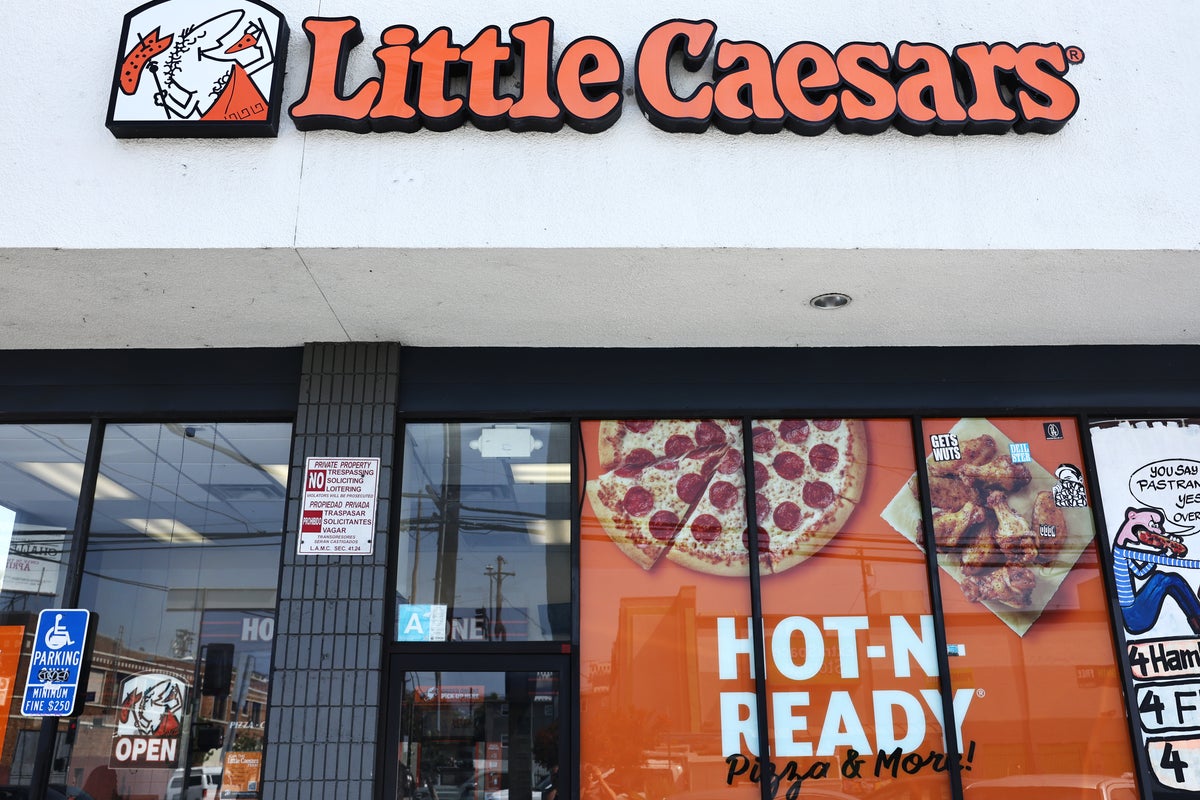
You can now get a Little Caesars pizza for five dollars through Amazon Prime. On paper, it sounds like the ultimate budget food hack. Two massive corporations joining forces to feed you for cheap. But before you open your app and expect a piping hot five-dollar Hot-N-Ready to arrive at your door for zero delivery fees, you need to look at the math.
The fast food landscape is changing fast. Giant brands are scrambling to keep customers who are sick of inflation. This new partnership is a direct response to that fatigue. Amazon wants to add value to its Prime subscription, which currently costs $139 a year. Little Caesars wants to steal market share from Domino's and Pizza Hut.
It is a clever marketing play. However, the five-dollar price tag is not exactly what it seems.
The Reality Behind the Amazon and Little Caesars Five Dollar Pizza Deal
The partnership connects Amazon Prime with Grubhub. Under the terms of this arrangement, Prime members get a free one-year Grubhub+ membership, which usually costs $120 annually. This tier gives you free delivery on orders over $12.
Here is where the Little Caesars deal comes in. If you order through Grubhub+ as a Prime member, you can get a large classic pepperoni or cheese pizza for $5.
Sounds great. But there is a massive roadblock.
Grubhub requires a $12 minimum order to trigger the free delivery benefit. A single $5 pizza does not meet that threshold. If you try to checkout with just one pizza, the app tacks on delivery fees, service fees, and driver tips. Suddenly, your cheap lunch costs $15 or more.
To actually get the $5 price benefit, you have to buy at least three pizzas, or add sides like Crazy Bread and drinks to push your cart past the $12 mark. It is a classic upsell tactic dressed up as a discount.
Why Delivery Apps Never Truly Let You Eat For Cheap
Delivery apps are businesses, not charities. They operate on thin margins and make their money by squeezing restaurants and consumers. When a deal sounds too good to be true, the fine print usually explains why.
Take a look at the typical breakdown of a food delivery order. Even with a premium subscription like Grubhub+, you face several distinct costs.
- The Service Fee: This is distinct from the delivery fee. It is a percentage of the subtotal that goes straight to the platform.
- Menu Markup: Restaurants frequently charge higher prices on delivery apps than they do in-store to offset the 15% to 30% commission the apps take.
- The Driver Tip: Drivers rely on tips. Skipping this means your food sits on a counter getting cold.
When you factor these in, ordering a low-cost item like a pizza through an app rarely makes financial sense. If you drive to Little Caesars yourself, you can grab a pizza quickly without any platform taking a cut. The convenience fee is heavy.
How This Strategy Helps Amazon Fight Membership Churn
Amazon is facing a specific problem. Prime membership growth has plateaued in the United States. Most people who want Prime already have it. To keep people paying that yearly fee, Amazon must constantly prove the subscription is worth the money.
Adding food delivery perks is their chosen weapon. By absorbing Grubhub+ into the Prime ecosystem, Amazon creates a habit loop. You go to Amazon to watch movies, buy paper towels, and now, order dinner.
It also helps Grubhub survive. Grubhub has trailed behind DoorDash and Uber Eats for years. DoorDash controls over 60% of the US food delivery market. Grubhub is stuck in third place. Partnering with Amazon gives Grubhub instant access to millions of Prime users who might otherwise use competing apps.
The Fast Food Discount Wars Are Escalating
Little Caesars is not the only chain dropping prices. The entire fast-food industry is in the middle of a massive price war.
McDonald's introduced a $5 meal deal. Burger King countered with their own version. Starbucks started offering pairing menus to combat slumping sales. Consumers are tapped out, and companies are panicked.
For years, fast food chains raised prices faster than the rate of inflation. They realized people would pay $12 for a combo meal. But they pushed it too far. Now, traffic is dropping, and these brands are using loss leaders—products sold at a loss to attract customers—to get people back through the door.
The Little Caesars $5 offer is a classic loss leader. They lose money on the pizza itself, hoping you will buy high-margin items like sodas, dipping sauces, or extra toppings.
How To Actually Micro Manage This Deal To Your Advantage
If you want to use this deal without falling into the trap of spending more than you intended, you have to be tactical.
Do not use it for a solo lunch. The math does not work for one person. Instead, use it for group gatherings, kid parties, or weekend game nights. Buying three large pizzas for $15 total plus a driver tip is a genuinely good value. It beats almost any other delivery option on the market today.
Check the menu prices in the app against the real-world menu before you order. Ensure the local franchise did not inflate the base price of the promotional items to negate the discount.
Log into your Amazon account, navigate to the Prime perks section, and activate the Grubhub+ feature. Once linked, open the Grubhub app to see the discounted Little Caesars menu items automatically applied at checkout. Monitor the final screen closely to ensure no hidden service fees negate the promotional price.