Washington loves a clean binary narrative, either the president is itching for a war or he's backing down completely. When reports surfaced that Donald Trump told his advisers he might hold off on attacking Iran as long as Tehran doesn't directly provoke the United States, the pundit class immediately split into those two predictable camps. Both sides missed the actual point.
This isn't sudden pacifism. It's transactional deterrence. Discover more on a connected issue: this related article.
Having watched foreign policy cycles in Washington for years, I've seen how easily media outlets misread strategic ambiguity as indecisiveness. If you actually look at Trump's record, from the "maximum pressure" sanctions campaign of his first term to the January 2020 strike on Qasem Soleimani, his approach has always relied on keeping adversaries guessing while avoiding open-ended ground wars that drain political capital at home.
Why Trump Is Drawing a Conditional Line With Tehran
The reporting from outlets like The Times of Israel points to a specific calculation inside Trump's inner circle. He's signaling to his advisers—and by extension, to Tehran and Jerusalem—that a direct American military strike isn't automatic just because tensions are high or because Iran's nuclear program keeps inching forward. Instead, the trigger is direct provocation against U.S. assets, personnel, or core interests. More journalism by Reuters highlights similar views on the subject.
That distinction matters enormously.
In traditional Washington foreign policy circles, hawks often argue for preventive strikes to set back Iranian nuclear infrastructure before it reaches a breakout threshold. Trump, however, has consistently viewed Middle Eastern military entanglements through a cost-benefit lens. An unprovoked U.S. air campaign against fortified Iranian sites like Fordow or Natanz wouldn't stay localized for long. It would immediately ignite regional oil markets, invite retaliatory missile salvos against American bases in Iraq, Syria, and the Gulf, and potentially close the Strait of Hormuz.
Trump knows inflation and gas prices win or lose elections in America. Starting a regional war without a clear, undeniable provocation from Iran hands his domestic critics a massive political weapon while spiking energy costs for American voters.
The Trap of "Provocation" in the Middle East
Here's where things get messy in practice. Defining "provocation" when dealing with the Islamic Republic is like trying to nail jelly to a wall.
Iran rarely attacks the United States directly with its own uniformed military. Instead, Tehran operates through the Axis of Resistance—Hezbollah in Lebanon, the Houthis in Yemen, and various Shia militias across Iraq and Syria. When a drone launched by an Iranian-backed militia hits a U.S. outpost in Jordan or disrupts commercial shipping in the Red Sea, does that cross Trump's red line?
- Direct Iranian attribution: Ballistic missiles fired from Iranian soil, similar to the April and October 2024 exchanges with Israel, leave zero ambiguity.
- Proxy deniability: Attacks by Iraqi militias or Houthi rebels give Tehran a buffer, forcing the White House to decide whether to hit the proxy or hold the patron accountable.
- Cyber and covert operations: Assassination plots on U.S. soil or major cyberattacks against American infrastructure sit in a gray zone that could easily trigger retaliation without a single missile being fired in the Persian Gulf.
If Trump sets the bar at "don't provoke us," he's essentially putting the burden of escalation on Ayatollah Ali Khamenei. Yet he's also leaving himself total flexibility to define what counts as a provocation whenever it suits him.
What This Means for Israeli Military Planning
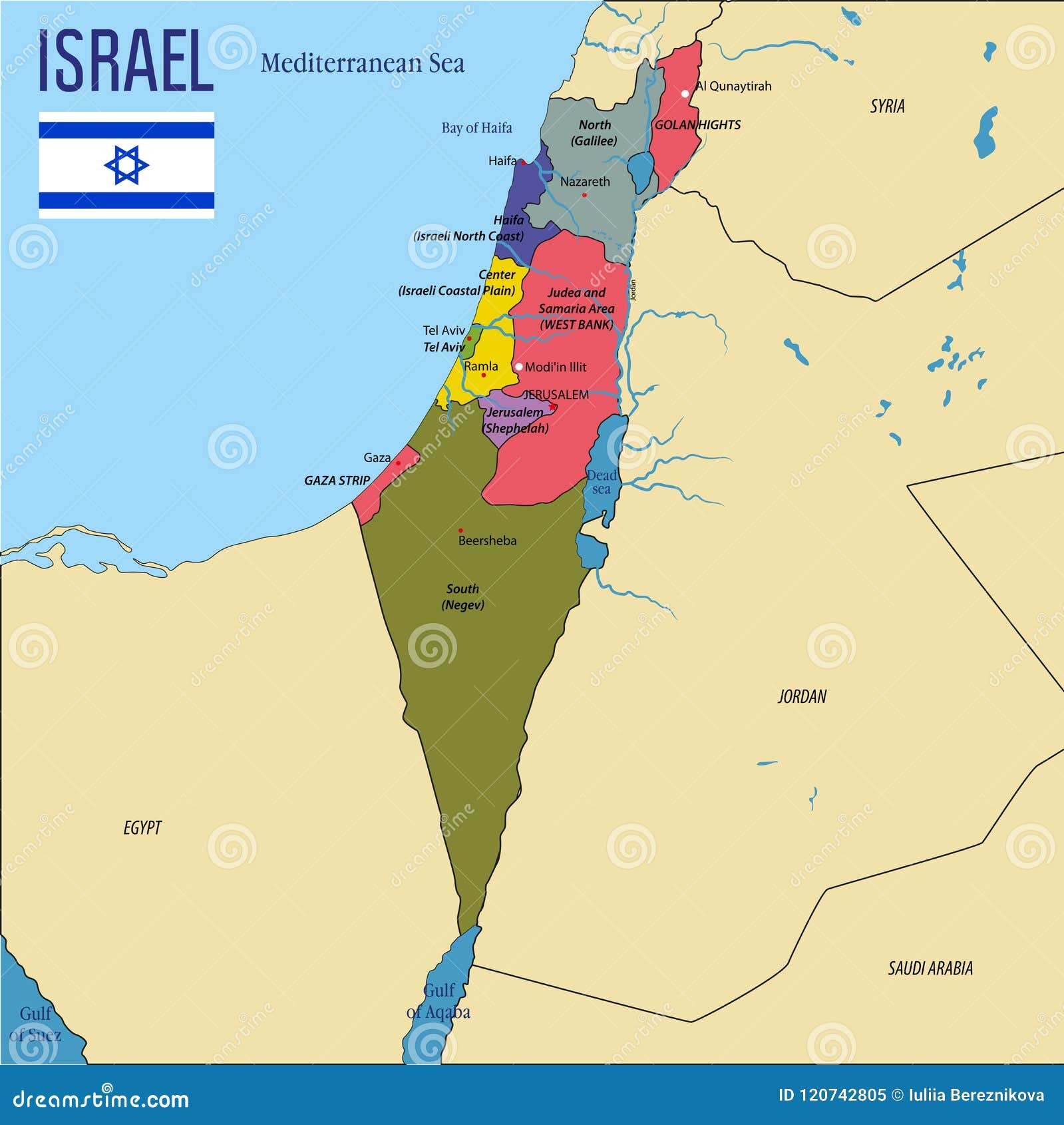
Nobody reads signals out of Washington more closely than Prime Minister Benjamin Netanyahu and the Israeli defense establishment. For years, Israeli leaders have debated whether they can—or should—strike Iran's nuclear facilities alone, or whether they need American bunker-busting munitions and aerial refueling support to finish the job.
When Trump tells advisers he may hold off on attacking Iran absent a provocation, he's sending a subtle caution to Jerusalem too.
Israel has already demonstrated its ability to degrade Iranian air defenses and proxy networks, particularly through its operations against Hezbollah and precision strikes inside Iran. Still, an all-out campaign to dismantle deeply buried nuclear sites requires sustained firepower that only the U.S. Air Force possesses at scale. If Washington isn't eager to jump into a preemptive war, Israel faces a harder choice. Either Jerusalem acts unilaterally and risks managing the fallout with limited U.S. offensive backing, or it coordinates closely with Washington to ensure any major confrontation happens only after Iran clearly crosses a line that forces American involvement.
Honestly, this dynamic actually strengthens Trump's leverage over both sides. He can tell Tehran that restraint buys them breathing room from American bombs, while telling Jerusalem that Washington prefers economic strangulation and diplomatic coercion over another Middle Eastern war.
The Return of Economic Strangulation Over Kinetic Strikes
People often forget that Trump's preferred weapon isn't the Tomahawk cruise missile. It's the U.S. Treasury Department.
During his first administration, exiting the 2015 Joint Comprehensive Plan of Action (JCPOA) and reimposing sweeping secondary sanctions crushed Iran's oil exports, dropping them from over 2.5 million barrels per day down to a fraction of that volume. Inflation in Iran skyrocketed, the rial collapsed, and domestic unrest flared repeatedly.
By signaling reluctance to launch a military attack unless provoked, Trump isn't going soft on Iran. He's clearing the runway to tighten the economic vise again without immediately triggering a shooting war.
- Enforcing oil sanctions: Cracking down on the "ghost fleet" of tankers moving discounted Iranian crude to independent refineries in China can choke off Tehran's primary revenue stream overnight.
- Isolating diplomatic channels: Combining harsh financial penalties with backchannel messaging lets the White House demand strict limits on nuclear enrichment and ballistic missile transfers in exchange for sanctions relief.
- Keeping the military option visible: Moving carrier strike groups or B-52 bombers into the region reminds Tehran that restraint has an expiration date if Iranian forces miscalculate.
This carrot-and-stick routine is classic Trump. You threaten total economic ruin, park massive firepower just over the horizon, and then tell the other side you'd really rather make a deal—so long as they don't do anything stupid to force your hand.
Why Tehran Still Has Plenty of Reasons to Worry
If you're sitting in Tehran right now, you shouldn't pop the champagne just because Trump told his advisers he wants to avoid an unprovoked attack. History shows how fast that posture can flip.
In June 2019, after Iran shot down a U.S. RQ-4 Global Hawk surveillance drone over the Strait of Hormuz, Trump famously called off retaliatory strikes ten minutes before impact because he felt the projected death toll wasn't proportionate to shooting down an unmanned aircraft. Critics called him weak. Six months later, after an Iranian-backed militia killed an American contractor in Iraq and stormed the U.S. embassy compound in Baghdad, Trump ordered the strike that killed Soleimani—a move virtually no conventional Washington adviser thought he would actually authorize.
That unpredictability is the entire point of his strategy.
Iranian commanders know they cannot predict where Trump's exact threshold lies. A rocket attack that misses its target might draw a warning, while a single American casualty could bring down a devastating response on Iranian Revolutionary Guard Corps (IRGC) assets. That uncertainty forces Tehran to second-guess every proxy operation, every naval harassment incident in the Persian Gulf, and every incremental step toward weapons-grade uranium enrichment.
How to Read the Next Few Months of US Iran Policy
If you want to track where this is actually heading without getting distracted by daily cable news panic, ignore the anonymous rumors about who whispered what in the Oval Office and watch three concrete indicators instead.
First, watch Iranian oil export numbers and Treasury sanctions designations. If Washington starts sanctioning Chinese port operators and shipping companies handling Iranian crude, the administration is leaning into economic coercion rather than military action.
Second, pay attention to International Atomic Energy Agency (IAEA) quarterly reports on Iran's 60 percent enriched uranium stockpile and centrifuge installations at Fordow. Even a reluctant president faces immense pressure to act if inspectors detect moves toward weaponization.
Third, track the behavior of Iranian-backed militias in Iraq and Yemen. If those groups suddenly dial back attacks on U.S. ships and bases, it means Tehran heard Trump's message loud and clear and is actively trying to avoid giving him the provocation he needs to pull the trigger.
Trump's conditional restraint isn't a retreat from confrontation—it's a calculated bet that economic pressure and unpredictable deterrence can box Iran in without dragging the United States into another costly Middle Eastern war.