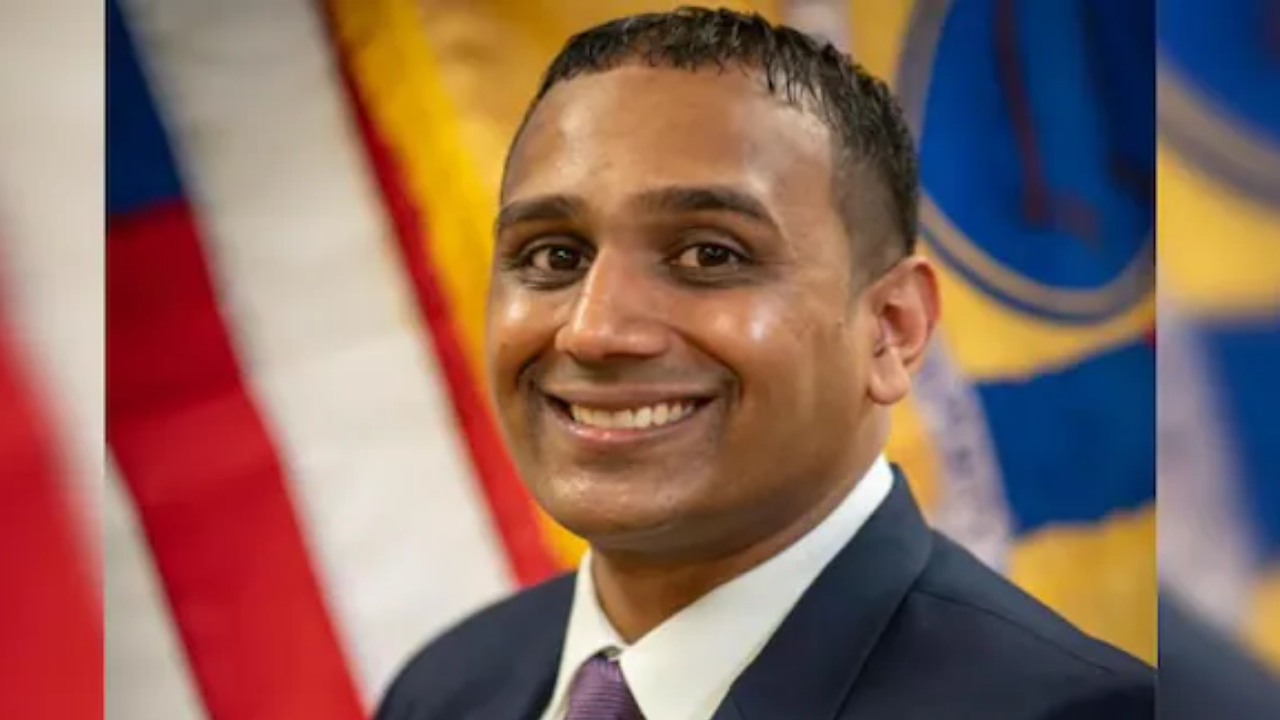
Local politics can get messy, but few scandals hit the bizarre intersection of municipal government and organized crime quite like the case of Anand Shah. When a sitting town councilman admits to running underground poker rooms and sportsbooks for the mob, people stop and stare.
Anand Shah, a 44-year-old former councilman in Prospect Park, New Jersey, officially pleaded guilty to racketeering, money laundering, and official misconduct. The charges stem from a massive, multi-year state investigation into an illegal gambling ring tied directly to the Lucchese crime family. Investigators found that Shah wasn't just placing a casual bet on the side. He acted as a high-level sportsbook agent and poker manager, hauling in roughly $900,000 in illicit profits.
Even worse, prosecutors revealed that Shah recycled those dirty earnings right back into his own political ambitions. Debtors who couldn't pay up found a convenient alternative: they could funnel cash directly into his campaign fund instead.
The Anatomy of a Mob-Linked Local Scandal
How does a municipal official handle finance, insurance, and economic development while simultaneously banking cash from underground backroom poker games? According to the New Jersey Attorney General's Office, the operation ran like a well-oiled corporate machine across Morris, Passaic, and Bergen counties from January 2017 through August 2023.
The enterprise relied on hidden venues behind unassuming local restaurants, foreign-hosted online sportsbook servers, and a sprawling web of sub-agents. Shah managed poker tables, collected house "rakes," and coordinated with organized crime figures like George Zappola, Joseph R. Perna, and John G. Perna.
When arrests initially hit in April 2025, the scope of the state police investigation shocked local residents. Authorities targeted dozens of individuals, uncovering nearly $4.79 million in total criminal proceeds across a network that utilized shell companies to mask its cash flow. Yet, despite facing immediate calls to resign from Mayor Mohamed T. Khairullah and other council members, Shah stubbornly clung to his seat for months, utilizing the slow gears of the judicial process before finally folding and entering his guilty plea.
Blurring the Lines Between Campaign Cash and Criminal Proceeds
Campaign finance transparency laws exist for a distinct reason. They keep underground money out of daylight politics. Shah's strategy essentially weaponized criminal debt against traditional campaign regulations.
If a bettor fell deep into the red, the debt vanished as long as a matching donation hit the politician's campaign coffers. It’s a brilliant loop of corruption if you want to win an election, but it makes a mockery of public trust. State officials emphasize that public servants hold a heightened duty to uphold the law. When an elected official uses mafia-backed gambling revenue to buy yard signs, mailers, and voter outreach, the core integrity of local democracy collapses.
The legal fallout has been swift and unforgiving. Under his plea agreement, Shah faces up to ten years in state prison, with a mandatory requirement to serve a heavy chunk behind bars before parole eligibility. More importantly, he faces a permanent ban from holding public office in New Jersey ever again. His sentencing is locked in for December 4, joining a long line of defendants in this sweeping racketeering case who have chosen to take a plea deal rather than roll the dice at trial.
The Prospect Park municipal government is left picking up the pieces and appointing a replacement to fill the vacant seat. While local leaders stress that the borough moves forward independently of any single individual's corruption, the case serves as a stark reminder of how underground economies still manage to bleed into everyday American institutions.