Time does not move uniformly in a stadium. Sometimes, it stretches thin, translucent as cheap parchment, threatening to tear at any second. Other times, it congeals into something heavy and leaden, trapping sixty thousand people in a collective suspension of breath.
Inside the stadium, the air smelled of stale beer, burnt popcorn, and the metallic tang of autumn cold. The scoreboard hummed, a glowing digital monolith dictating reality in searing red LEDs. Seconds. Just a handful of heartbeats remaining on the chronometer.
For the Washington Commanders, victory was not merely a theoretical possibility; it was practically gift-wrapped, sitting right there on the precipice of realization. All it required was a quiet execution of mechanics rehearsed a thousand times on sun-baked practice fields in Ashburn. Snap. Hand off or drop back. Fall down. Bleed the clock. Protect the fragile, precious margin.
Instead, the universe tilted.
We have all lived through moments where competence evaporates at the exact threshold of achievement. It is the human condition in microcosm—the frantic stumble right before the finish line, the sudden paralysis of choice when instinct should override intellect. In professional football, this phenomenon is dissected on Monday mornings through telestrators and statistical probability models. Win probability charts plunge from ninety-eight percent down to zero in the span of a single television commercial break.
Numbers, however, lie about grief. They reduce a visceral, stomach-churning catastrophe into a neat percentage point.
Consider the sequence through the eyes of someone standing on the sideline, clipboard clutched so tightly white knuckles puncture the cardboard backing. To an offensive coordinator or a head coach in that dizzying environment, the sensory input is overwhelming. The roar of the opposing crowd is not a sound; it is a physical pressure against the eardrums, a concussive wave designed to disorient. Radios squawk in earpieces with overlapping static. Play calls blur.
In high-stakes environments, the brain’s executive function is the first casualty of adrenaline. When the clock shrinks to single digits, the prefrontal cortex—the seat of rational, long-term calculation—fights a losing battle against the amygdala, which screams only one word: survive.
Except, in trying too hard to survive, they invited the ruin.
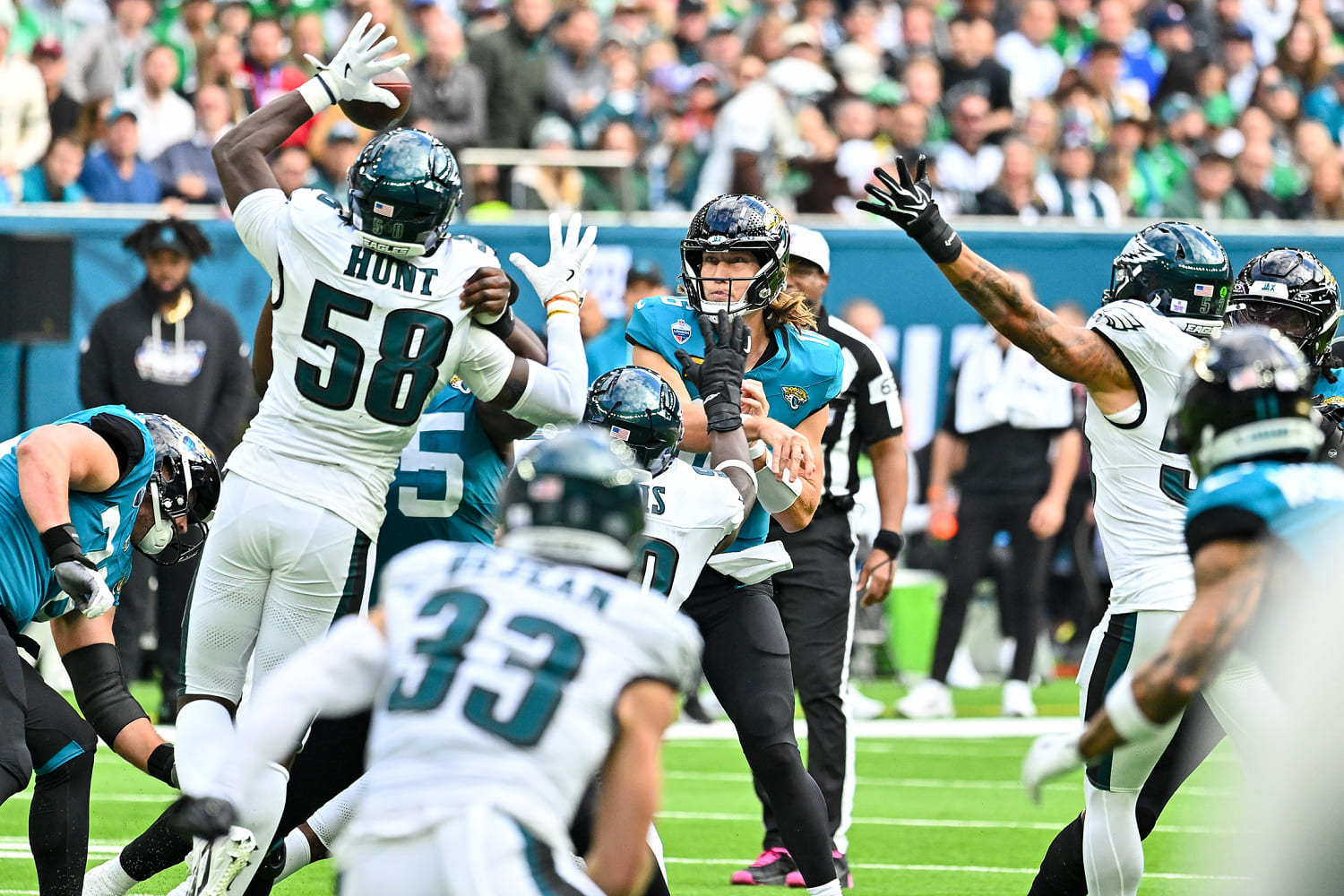
A play call is chosen. It relies on timing. It relies on a five-step drop, a clean pocket, and a receiver finding grass in a zone defense. But football is a chaotic ecosystem of muscle, mass, and kinetic violence. A defensive lineman named Anthony, let us call him, or perhaps a nameless edge rusher with bruised knuckles and a desperate hunger for a career-defining highlight, bursts through a seam in the protection.
The physics are merciless. Mass times acceleration.
The quarterback's eyes widen for a microsecond—that fraction of a second where doubt takes root. The arm cocks back. The window slams shut. The ball is not thrown away into the safety of the fifth row; it is flicked, half-heartedly, under duress, floating like a wounded bird into the treacherous expanse of the secondary.
Interception.
The stadium did not just erupt; it shifted polarity. The silence of Washington’s faithful was absolute, a heavy, suffocating blanket dropped over section after section. Across the field, white jerseys collided in a chaotic pile of limbs, helmets bouncing against the turf.
Football is often romanticized as a game of physical dominance, a modern gladiatorial exhibition of speed and strength. But the games that linger in the cultural memory, the ones that ache long after the stadium lights are powered down, are psychological dramas. They are studies in human frailty under extreme duress.
When a team blows a lead in the dying seconds, the autopsy is rarely about a lack of talent. It is about a failure of imagination. It is the inability to visualize the worst-case scenario until it is already wearing your jersey, standing over you in the dirt.
Think about how we process such collapses in our own lives. We have all engineered our own last-second defeats. A relationship sabotaged by a careless word delivered right when peace was at hand. A business venture ruined by over-complication when simplicity was the only required currency. We snatch defeat from the jaws of victory because we cannot tolerate the quiet discipline required to simply hold still and let time expire.
The Commanders walked off the field that afternoon with their heads down, helmets tucked under arms, cleats clicking against the concrete tunnel floor. Ahead of them lay the long, sterile bus ride to the airport, the charter flight through the dark turbulence of the upper atmosphere, and the inevitable film sessions where every missed assignment would be projected in unforgiving high definition.
Out in the parking lots, tailgaters were already packing up charcoal grills, kicking plastic cups into the asphalt gutters, eager to escape the bitter wind.
The clock had hit zero. The game was long over. But the echoes of those final, frantic seconds remained suspended in the chill night air, a reminder of how quickly everything we built can vanish when the ground gives way beneath our feet.