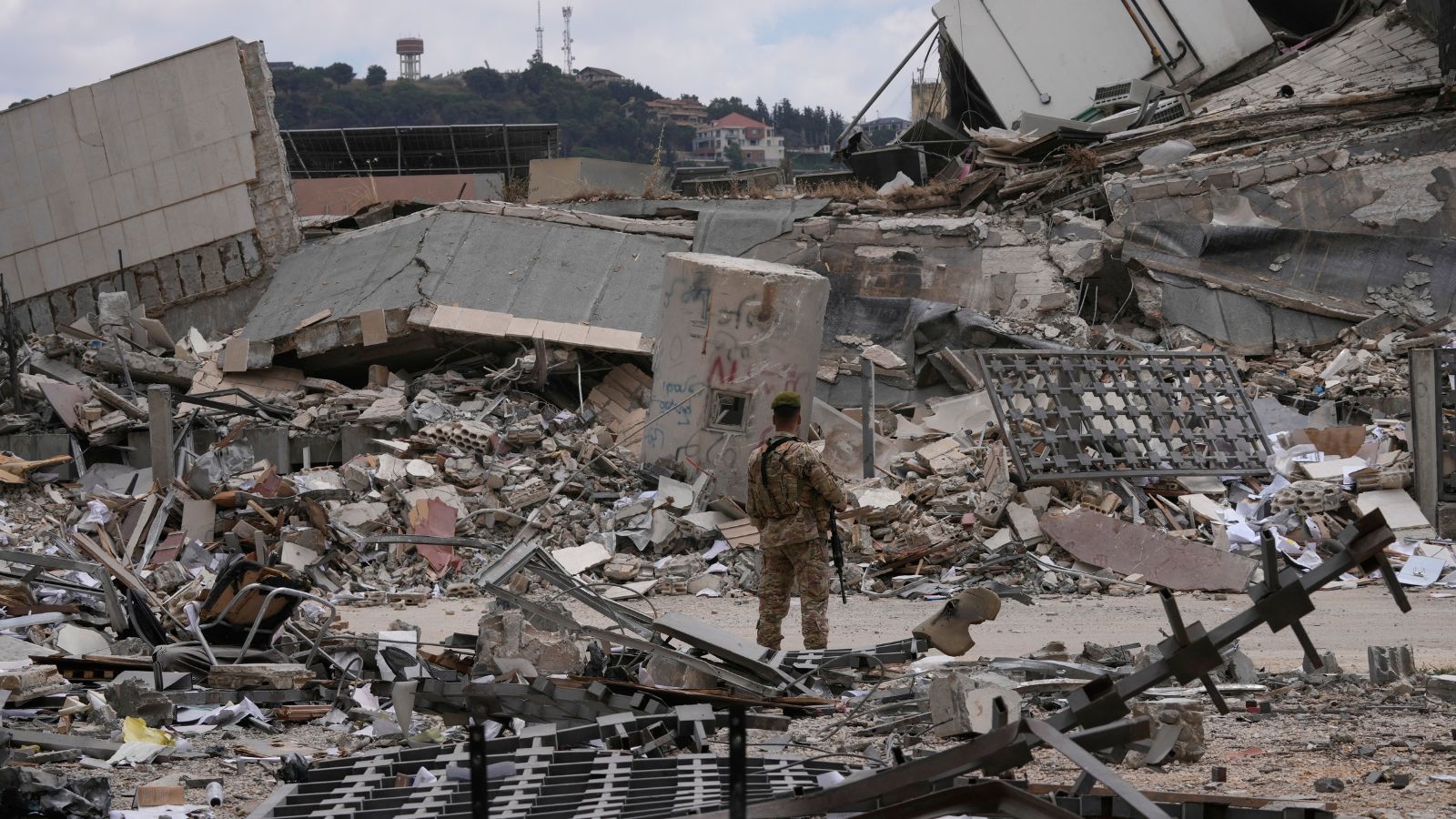
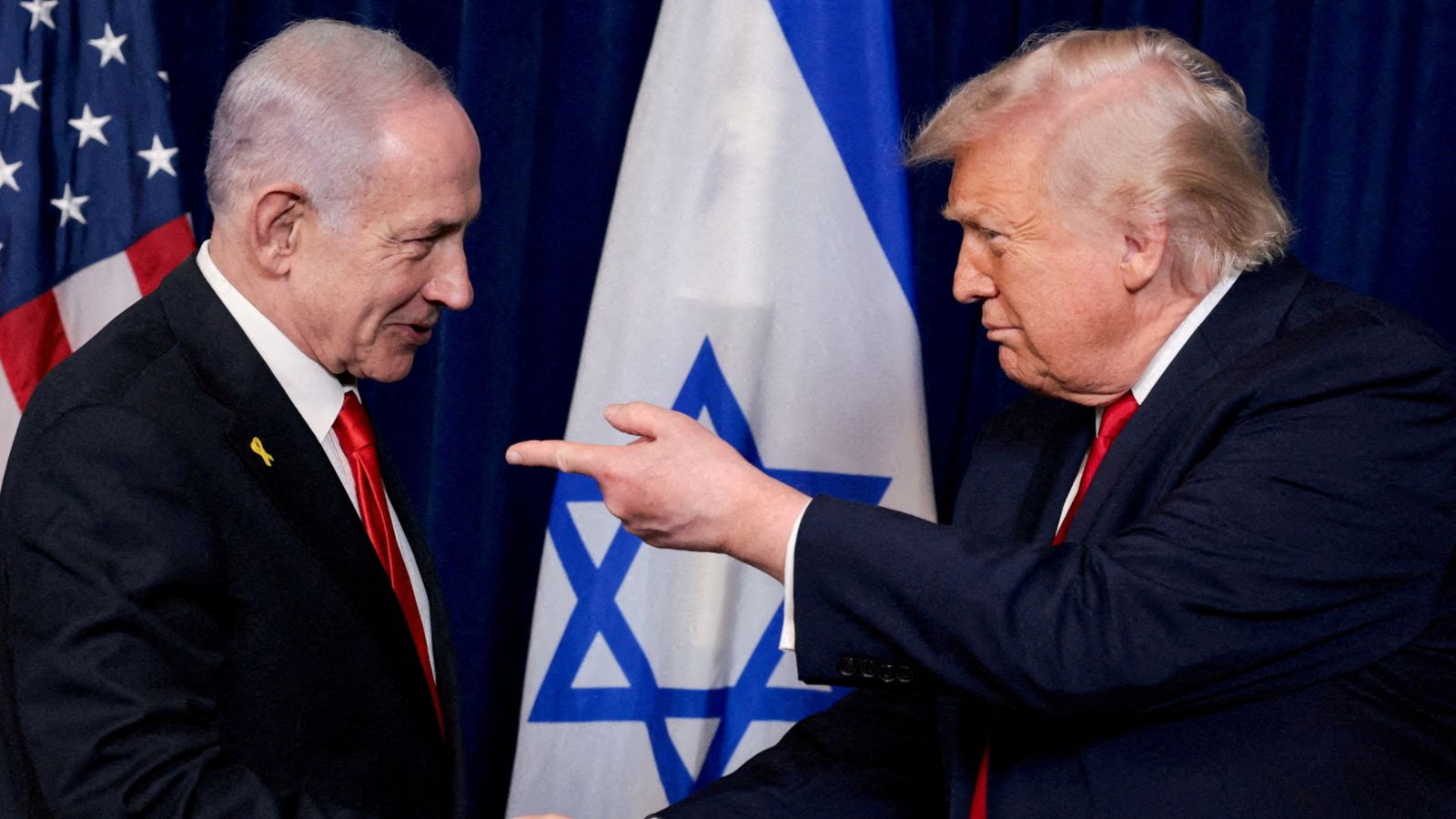
The maritime transit mechanics of the Strait of Hormuz cannot be sustained on verbal assurances or social media declarations. When United States President Donald Trump announced that Iran provided assurances of a zero-toll architecture across the waterway, the statement attempted to settle a fundamental economic and legal dispute with a political handshake. The underlying tension involves a structural conflict between the 1982 United Nations Convention on the Law of the Sea (UNCLOS) and the operational reality of regional naval supremacy. To evaluate the sustainability of this interim framework, analysts must examine the core cost models, jurisdiction mechanics, and enforcement thresholds governing this maritime bottleneck.
The Structural Dimensions of Chokepoint Jurisprudence
The debate over whether a coastal state can collect transit fees relies on two conflicting legal frameworks. The first framework is the regime of transit passage defined under Part III of UNCLOS. This doctrine grants all vessels, including commercial tankers and warships, the right of unimpeded, continuous navigation through straits used for international navigation. Under this standard, coastal states are explicitly barred from suspending transit or imposing financial levies that act as a tax on passage.
The second framework is the historical claim of internal or territorial sovereignty asserted by non-signatory or qualified states. Iran signed UNCLOS in 1982 but never ratified it. Instead, Tehran maintains that the right of transit passage is a customary rule applicable only to states that are party to the convention. For non-parties, Iran argues that the regime of innocent passage applies within its territorial waters—a standard that permits the coastal state to regulate, restrict, or monitor transit if it deems the passage prejudicial to its peace, good order, or security.
This legal ambiguity creates a functional sovereignty premium. By framing a lack of tolls as a diplomatic concession rather than a compliance obligation under international law, Iran establishes a precedent where maritime freedom is treated as a tradeable commodity rather than a global right.
The Operational Cost Function of Maritime Security
The economic equation governing the Strait of Hormuz balances direct transit fees against systemic operational risk. When a state suggests the implementation of "maritime service fees" or insurance surcharges, it modifies the baseline operating cost for global shipping firms. The cost structure of an energy transit through the strait contains three core variables:
- The Baseline Freight Capital Expenditures (CapEx): The fixed amortization and daily operational costs of operating a Very Large Crude Carrier (VLCC).
- The War-Risk Insurance Premium Escalator: The variable insurance multiplier dictated by London’s Joint War Committee, which scales exponentially based on physical security threats or legal volatility.
- The Sovereign Transit Premium: The theoretical or actual fees collected by adjacent states for escort, de-mining, or administrative tracking services.
The introduction of any regional fee structure introduces a market inefficiency. If a state levies a fee of even a fraction of a percent per barrel on the 16 to 20 million barrels transiting the strait daily, it yields a massive, unsanctioned capital extraction from global energy markets. The alternative routing options—such as bypassing the Arabian Peninsula via land pipelines or diverting around Africa—present structural bottlenecks due to capacity limitations and astronomical infrastructure costs. Consequently, shipping cartels possess zero short-term elasticity, forcing them to absorb any cost increases or pass them directly to consumers.
The Enforcement Mechanism Paradox
The enforcement of a toll-free status during a 60-day ceasefire rests on a highly volatile security equilibrium. The current framework creates a strategic bottleneck due to the asymmetric nature of naval deterrence versus commercial vulnerability.
[Threat of Kinetic Re-escalation] -> Deterred by U.S. Global Naval Force
[Threat of Administrative Surcharges] -> Evades Traditional Kinetic Deterrence
If Iran or its regional neighbors attempt to reintroduce administrative fees under the guise of "services rendered," traditional kinetic deterrence becomes ineffective. A navy cannot easily deploy a strike group to counter a bureaucratic invoice or a mandatory local insurance requirement.
The primary vulnerability of the current U.S. strategy lies in its conditioning mechanism. By threatening to terminate technical peace negotiations or to impose a counter-toll for "Guardian Angel" services if the zero-toll assurance proves false, the U.S. adopts a retaliatory model rather than a preventative one. The introduction of an American transit toll to reimburse security costs would validate the exact precedent Washington seeks to dismantle: the commoditization of international straits.
Alternative Corridors and Omani De-escalation Paths
The operational safety of the strait relies heavily on geography. Because the natural deep-water channels required for deep-draft VLCCs pass directly through Omani and Iranian territorial waters, any unilateral alteration of shipping lanes causes immediate disruption. The recent deployment of temporary maritime routes by Oman—diverting traffic north and south of existing Traffic Separation Schemes (TSS)—serves as a technical mitigation layer.
These temporary corridors reduce physical proximity to contested coastal artillery zones but do not solve the structural administrative threat. A shipping company operating under a temporary International Maritime Organization (IMO) routing plan remains subject to the jurisdictional claims of the state controlling the coastal waters. If technical talks in Geneva fail to codify a permanent, legally binding treaty that explicitly outlaws both physical tolls and regulatory fees, the market will price the 60-day window not as a resolution, but as a temporary delay in global supply chain volatility.
To stabilize the transit framework permanently, the technical delegation must shift focus away from temporary political assurances and toward an institutionalized, multi-lateral oversight model. This requires establishing an independent, non-aligned maritime commission—jointly managed by the IMO and regional neutral parties like Oman—to audit all traffic coordination expenses. This framework must explicitly decouple maritime safety funding from national revenue generation. Any regional state attempting to collect non-audited fees must face immediate, automated re-imposition of pre-ceasefire financial blockades by the international community. Relying on verbal restraint from a strategic adversary ensures that the world's most critical energy chokepoint remains exposed to sudden geopolitical ransom.