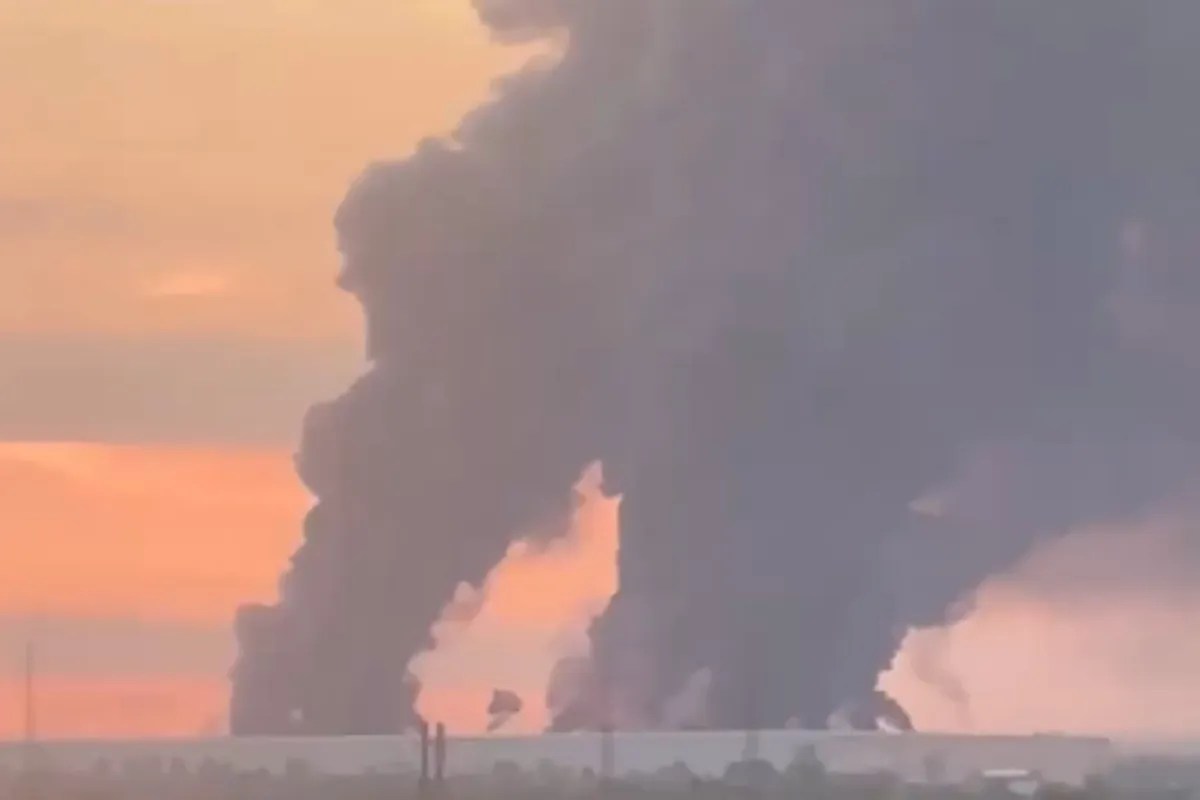
Modern military engagements rely on asymmetric capability deployment, where long-range vectors offset territorial asymmetry. When evaluating cross-border operations involving Ukraine and Russia, analysts must move past tactical reporting and examine the underlying operational architecture.
The Three Pillars of Strategic Vector Deployment
The efficacy of long-range engagement relies on three structural components that dictate systemic outcomes rather than isolated tactical events.
- Target Acquisition and Intelligence Integration: Precision requires continuous telemetry, synthetic aperture radar feeds, and persistent overhead reconnaissance to isolate nodes vulnerable to structural collapse.
- Vector Diversification: Resilience depends on utilizing a heterogeneous mix of propulsion systems, ranging from low-observable cruise platforms to high-altitude uncrewed aerial vehicles.
- Asymmetric Cost Imposition: The primary objective of extended-range strikes shifts from territorial capture to forcing adversaries into high-cost defensive resource allocation across vast perimeter zones.
The Cost Function of Defensive Overextension
Defending extensive territorial perimeters introduces severe economic and logistical friction. When offensive systems force defensive networks to expend high-value interceptor assets on low-cost vector platforms, a profound cost asymmetry emerges.
This asymmetry degrades the defender's resource pool over time. Each deployment cycle forces command structures to balance immediate asset preservation against long-term materiel sustainability, creating logistical bottlenecks within industrial supply chains.
The Information Operations Vector
Visual verification distributed through digital channels functions as a distinct operational vector. By releasing localized combat footage, leadership signals capability persistence to domestic populations and international partners. This transparency mechanism alters the perceived trajectory of protracted engagements, influencing diplomatic posture and resource allocation dynamics.
Strategic adaptation relies on continuous algorithmic and hardware iteration. Future escalations will hinge on automated swarm coordination and electronic warfare hardening, dictating which side maintains operational tempo within contested airspace.