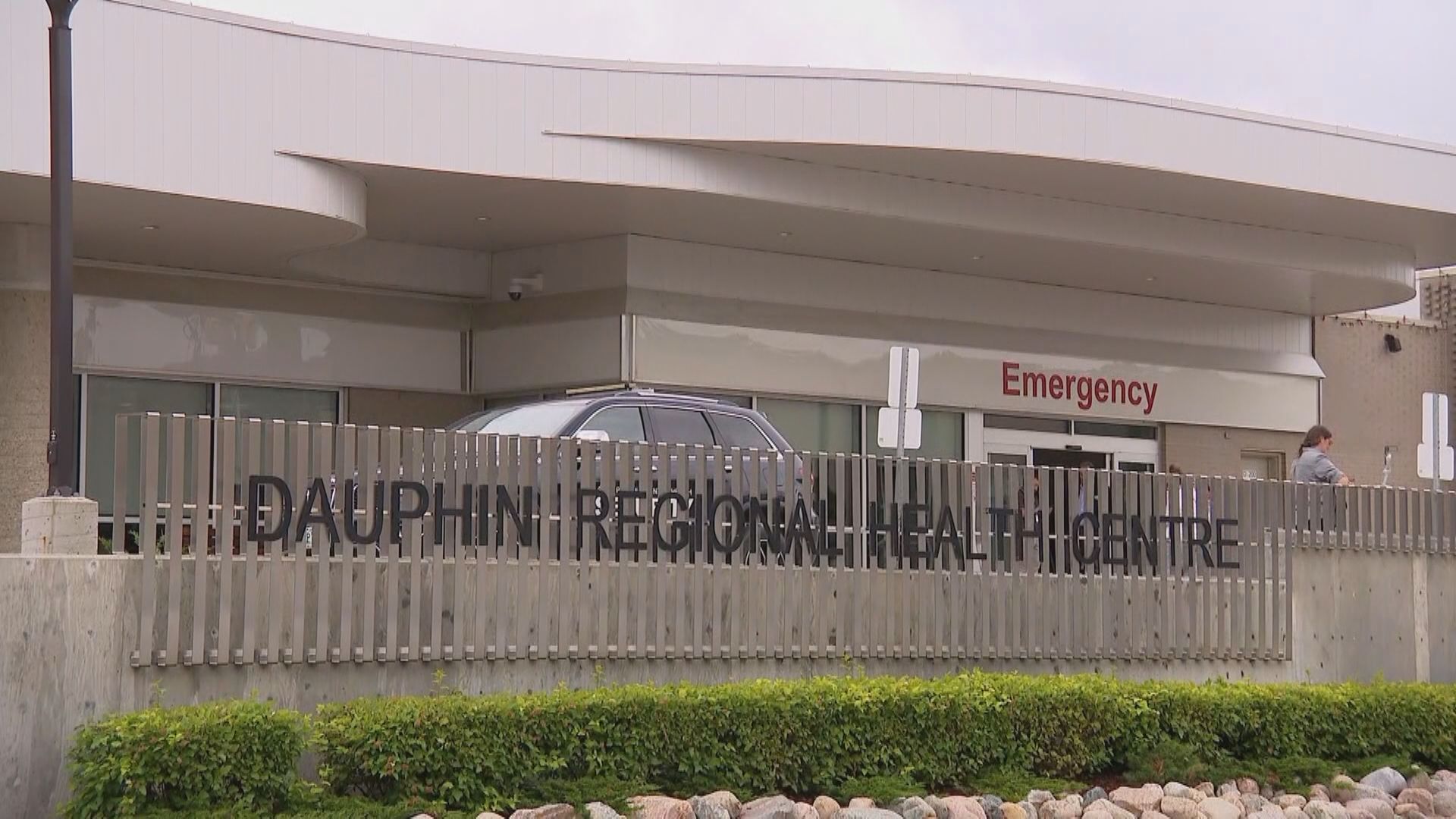
When a catastrophic localized weather event delivers 115 millimeters of precipitation over a 72-hour period, the immediate risk assessment typically focuses on municipal drainage capacity, surface runoff, and residential property damage. However, the multi-month closure of the Dauphin Regional Health Centre (DRHC) following severe basement flooding exposes a systemic vulnerability in rural healthcare systems: the physical consolidation of mission-critical utility infrastructure in low-elevation building zones.
The complete operational paralysis of a facility serving a catchment area of over 40,000 residents across Manitoba’s Parkland region demonstrates how environmental shocks propagate through single points of failure. Understanding this crisis requires an investigation into infrastructural interdependence, regional capacity limits, and human capital retention risks. Recently making news in related news: The NYC Outbreak Panic Proves We Are Tracking the Wrong Health Metrics Entirely.
The Triad of Critical Infrastructure Failure
The functional collapse of the DRHC was not caused by a failure of medical clinical spaces, which remain largely physically intact on the upper floors. Instead, the disruption traces back to the total submersion of supporting utilities housed within the basement. The vulnerability model of this facility rests on three interconnected pillars.
Primary Power and Backup Generation Core Dependency
Rural hospitals require continuous, uncompromised power supply lines. At the DRHC, both the main electrical distribution grid inputs and the emergency backup diesel generators were positioned within the basement level. When floodwaters surpassed the basement retention thresholds, the primary power distribution panels were instantly compromised. Additional information into this topic are detailed by WebMD.
Because the secondary asset—the backup generator—shared the identical vertical topology and geographic footprint as the primary asset, it was inundated simultaneously. This spatial consolidation eliminated the redundant failsafe entirely, forcing an immediate, comprehensive evacuation of 54 patients within 24 hours of the breach.
Environmental Control and Infection Containment
The destruction of the heating, ventilation, and air conditioning (HVAC) systems introduces prolonged remediation challenges that extend far beyond simply drying out the physical structure. Submerged air-handling infrastructure acts as a primary vector for biological contamination.
As floodwaters mixed with local silt and municipal runoff, the internal ductwork and mechanical fans became contaminated with particulate matter and potential pathogens. Restoring clinical operations requires a sterile environment. The current remediation timeline is dictated not by the speed of cosmetic repairs, but by the mandatory engineering cycles required to strip, replace, and certify HVAC systems to meet rigid hospital infection prevention and control standards.
Digital Systems and Diagnostic Network Architecture
Modern regional health delivery depends heavily on digital charting, telemetry, and localized imaging data storage. Centralized computer network hubs located in the lower levels suffered immediate electrical shorts during the inundation.
This digital blackout renders advanced diagnostic suites, including computerized tomography (CT) scanners and magnetic resonance imaging (MRI) units, non-functional even if the imaging machines themselves escaped direct water damage. Because the DRHC provides tertiary diagnostic support for remote northern communities such as The Pas and parts of the Interlake region, this localized network failure severs the broader regional diagnostic chain.
Regional Cascading Pressure Metrics
The localized closure of a primary regional hub instantly redistributes healthcare volume across an already strained rural network. In the Parkland configuration, the load-bearing capacity must now be absorbed by smaller community health sites, specifically the facilities in Ste. Rose du Lac and Grandview.
This structural shift introduces a geographical buffer that directly impacts patient outcomes. Residents requiring immediate emergency intervention face an added travel time of approximately 30 minutes. In emergency medicine, this extension of the pre-hospital transport phase alters the survival probability curves for time-critical pathologies such as acute myocardial infarctions, ischemic strokes, and severe trauma.
Furthermore, specialized chronic care pipelines lack regional elasticity:
- Dialysis Capacity Constraints: Nephrology patients dependent on localized hemodialysis machines cannot defer treatment. Because smaller peripheral clinics lack the physical stations and specialized water purification loops required to absorb the DRHC patient load, displaced individuals face mandatory relocation or multi-hour transport regimens to urban centers like Brandon or Winnipeg.
- Oncology Disruption: Infusion clinics require precise pharmaceutical compounding and specialized oncology nursing staff. When a regional hub closes, the decentralized model fails, forcing patients to navigate complex, distant urban networks while immunocompromised.
The Frontline Human Capital Churn Risk
While physical structures can be rebuilt via capital expenditures, the long-term stabilization of the regional medical ecosystem depends entirely on medical staff retention. Rural health authorities historically operate under chronic staffing deficits, relying heavily on a small cohort of dedicated physicians, nurses, and allied health professionals.
The prolonged operational displacement of these professionals creates an acute attrition risk. Medical practitioners whose primary income or clinical scope is tied to acute care admissions, surgical suites, or diagnostic imaging interpretation are suddenly left without the clinical infrastructure required to practice.
If physicians are forced to seek temporary clinical privileges in alternate health authorities or urban centers to maintain their practices, the probability of permanent relocation increases. This risk is amplified because many of these healthcare workers are simultaneously managing flood damage to their own personal residences, compounding professional instability with personal distress.
Alternative Mitigation Frameworks and Limitations
To bridge the operational deficit during the estimated nine- to twelve-month reconstruction timeline, provincial authorities and regional leadership have deployed tiered contingency measures. Each possesses clear operational limits.
The Assessment and Minor Treatment Clinic Model
Operating out of the adjacent Dauphin Community Health Services Building, a temporary 24/7 clinic with a four-bed capacity has been established to divert low-acuity cases. While highly effective at managing primary care complaints, minor lacerations, and non-emergent infections, this asset lacks the diagnostic depth, surgical capabilities, and inpatient capacity required to alleviate the broader regional deficit. It functions as an advanced triage station rather than a hospital replacement.
Tactical Field Hospital Deployment
Community calls for a military-grade tactical field hospital address the immediate need for localized acute beds. However, deploying a field hospital requires substantial logistical footprints. These temporary structures are highly effective for triage and short-term surgical stabilization, but they are inefficient at managing long-term chronic care, specialized diagnostics, or complex isolation protocols. They also draw heavily from the same centralized pool of human capital that is already stretched across peripheral brick-and-mortar facilities.
Strategic Capital Deployment for Long-Term Resiliency
The Manitoba government's initial $5 million cash advance program via the Disaster Financial Assistance initiative focuses primarily on immediate infrastructure stabilization. To prevent a recurrence of this systemic failure during future extreme weather anomalies, the engineering paradigm for rural healthcare construction must be fundamentally altered. Future capital deployment must mandate the vertical migration of critical mechanical infrastructure.
[Traditional Configuration]        [Resilient Configuration]
+-------------------------+        +-------------------------+
| Level 2: Clinical Units |        | Level 2: Clinical Units |
+-------------------------+        +-------------------------+
| Level 1: ER & Diagnostics|       | Level 1: ER & Diagnostics|
+-------------------------+        +-------------------------+
| Basement: HVAC, Power,   |       | Basement: Inactive Storage|
| Backup Generators       |        | (Water Retention Basin) |
+-------------------------+        +-------------------------+
                                   | Roof/Upper Level: HVAC, |
                                   | Power & Backup Gen.    |
                                   +-------------------------+
As long as backup generation, primary electrical distribution, and HVAC air handlers occupy the lowest topographical point of a facility, no amount of localized sandbagging or pump redundancy can fully eliminate the risk of a catastrophic operational shutdown. Future structural retrofits must prioritize elevating these critical assets above verified historical flood plains.
The immediate path forward requires an immediate physical audit of all power distribution systems at the DRHC to determine if temporary, external, truck-mounted generation units can safely back-feed individual, non-damaged upper floors. This would allow a phased, staggered reopening of low-risk diagnostic and outpatient services long before the baseline basement structure is fully remediated.