Natural disasters do not hit in a vacuum. When a 7.4-magnitude earthquake struck western Colombia, killing nearly 300 people, destroying upwards of 14,000 homes, and injuring thousands more, it collided directly with an ongoing trade friction mechanism: a 12.5% U.S. tariff implemented under Section 301 of the Trade Act of 1974. Newly inaugurated Colombian President Abelardo de la Espriella’s subsequent appeal to U.S. President Donald Trump for a temporary tariff suspension exposes the direct conflict between macroeconomic protectionist policy and post-disaster fiscal liquidity. Understanding this dynamic requires deconstructing how external trade barriers alter domestic shock recovery capacity, capital allocation, and structural resilience in emerging markets.
The Fiscal Transmission Mechanism of Trade Barriers
When an export-dependent economy faces a sudden capital constraint, its primary recovery buffer is export revenue. Tariffs disrupt this buffer by introducing a price wedge that either compresses producer margins or erodes foreign market share. In Colombia's case, the 12.5% Section 301 levy affects a wide array of non-commodity products. While major mainstays like coffee and oil retain specific carve-outs, the broader industrial and agricultural export base absorbs the direct impact. Meanwhile, you can explore other events here: Inside the Northern Michigan Mass Shooting That Left Six Dead and a Rural County Shattered.
The cost function for local enterprises operates under tight margins. When a structural shock like an earthquake destroys physical capital—warehouses, transport links, commercial inventory—corporate balance sheets experience simultaneous asset write-downs and cash flow stoppages.
[Physical Asset Destruction] --> [Compressed Cash Flow] --> [Inability to Absorb Tariff Wedge] --> [Liquidity Insolvency]
Without tariff relief, local businesses must finance recovery out of depleted reserves or high-interest domestic debt, stunting the velocity of capital needed for localized rebuilding. To see the bigger picture, check out the excellent article by USA Today.
The Macroeconomic Anatomy of Sovereign Asymmetry
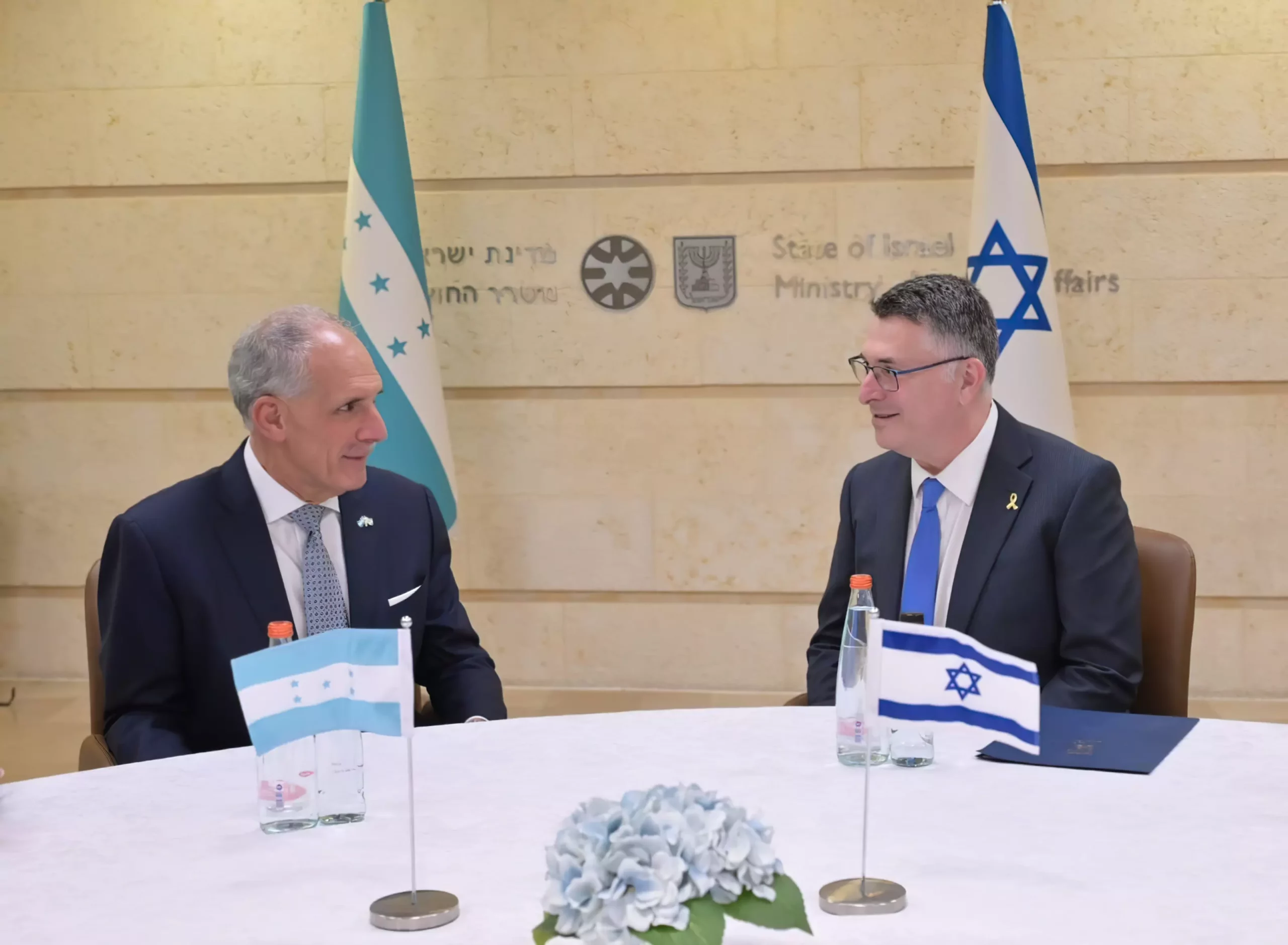
Bilateral economic requests during a crisis highlight structural power asymmetries. Colombia's newly elected administration inherits an economy attempting to balance external alignment with Washington against domestic reconstruction demands. De la Espriella’s political alignment with the White House creates a diplomatic channel, but diplomatic goodwill operates independently of statutory trade mechanisms. Section 301 tariffs were implemented to address specific trade and labor compliance metrics, meaning a suspension requires navigating administrative carve-outs rather than standard humanitarian aid channels.
Humanitarian aid, such as the $26.5 million package deployed by the U.S. State Department, functions as a direct cash injection for immediate relief supplies, medical distribution, and temporary shelter. However, humanitarian assistance is a drop in the bucket compared to total fixed-capital formation and the structural capital required to rebuild urban infrastructure in cities like Cali, Pereira, and the impoverished Chocó department. Tariffs, by contrast, siphon recurring liquidity away from the private sector—the very entity required to generate jobs and rebuild productive capacity over a three-to-five-year horizon.
Capital Allocation Bottlenecks in Post-Disaster Recovery
Reconstruction capital typically originates from three sources: sovereign debt issuance, international financial institution loans, and private sector reinvestment.
- Sovereign Debt: High interest rates and constrained national budgets limit the fiscal space available for extensive public works without triggering credit rating downgrades.
- Multilateral Aid: Emergency credit lines from entities like the Inter-American Development Bank carry administrative lags and structural adjustment conditions.
- Private Enterprise: Local enterprises represent the fastest deployable capital for removing rubble, repairing supply chains, and re-employing displaced workers.
When external tariffs reduce exporter revenues by 12.5%, the private sector's internal generation of reconstruction capital drops proportionally. Businesses pivot from expansion and repair to survival mode. The capital that should fund structural reinforcement and localized reconstruction is diverted toward tax and tariff compliance liabilities.
Strategic Economic Forecast
The petition for tariff suspension exposes the vulnerability of developing economies caught between aggressive unilateral trade policies and stochastic natural disasters. Granting a temporary waiver would act as an implicit fiscal stimulus, transferring capital directly into the hands of Colombian commercial operators without expanding sovereign debt burdens. Conversely, maintaining the tariff structure forces a heavier reliance on foreign aid and multilateral borrowing, extending the timeline of macroeconomic recovery and deepening regional vulnerability in South America’s trade corridors.