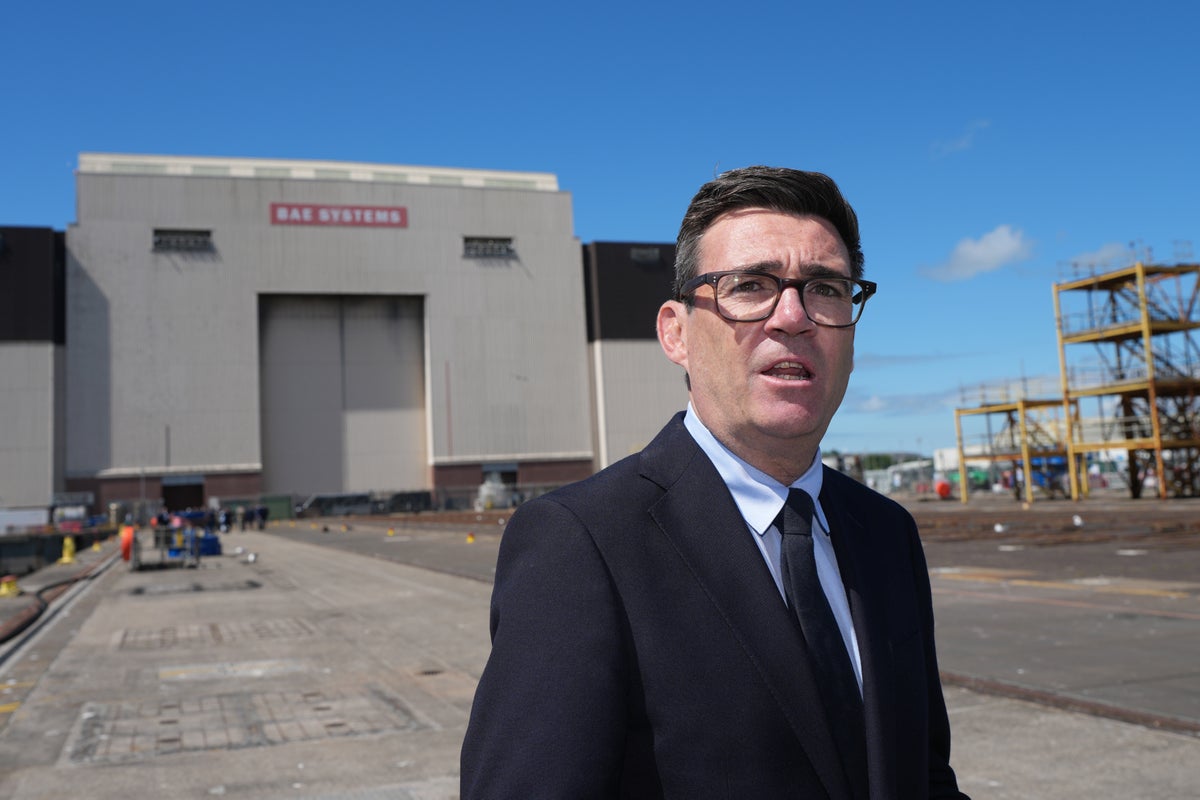
Donald Trump wants the United Kingdom to pump every last drop of oil out of the seabed. Freshly minted Prime Minister Andy Burnham just told him the country will be "pragmatic" about it. That single word has set off alarm bells across Westminster and environmental groups alike.
When people are struggling through a brutal cost-of-living crunch, politicians look at energy reserves differently. Burnham knows this better than most. During a recent media exchange, he defended his phone conversation with the White House by pointing out a simple truth. There is a massive resource sitting off the British coast. Ignoring it while households suffer is a tough sell politically. But walking back climate pledges is an equally fast way to fracture his own party. Discover more on a similar topic: this related article.
The Trump Pressure Factor
Trump spent part of a White House briefing bragging about his chat with the new British leader. According to the US president, Burnham agreed to "open up" North Sea oil.
Reality is a bit more complicated. Labour's 2024 election manifesto explicitly ruled out issuing brand-new oil and gas exploration licences. Burnham has repeatedly promised to stick to those core manifesto commitments. Yet, describing an approach as pragmatic leaves plenty of wiggle room. It hints that existing projects caught up in legal gridlock might get a second look. Further journalism by Reuters explores similar perspectives on this issue.
The Battle Over Jackdaw and Rosebank
The real test for this pragmatism comes down to two major offshore projects. Jackdaw and Rosebank have spent months tied up in court battles and bureaucratic delays. Environmental campaigners successfully challenged their initial approvals because the assessments failed to fully account for downstream carbon emissions.
Shell and Equinor are waiting for clarity. If Burnham decides to clear the path for these existing developments to proceed, he can argue he is respecting current agreements rather than issuing new licences. Technicalities matter in politics. Critics won't care about the distinction, though.
Green party figures have already slammed the remarks. Pointing to severe summer droughts and heathland fires, critics argue that opening up more fossil fuel extraction during an obvious climate crunch is sheer madness. Ministers face a brutal balancing act. Energy security demands immediate supply, while global climate targets demand absolute restraint.
What Happens Next for UK Energy
You can expect months of tightrope walking from Number 10. The energy secretary, Miatta Fahnbulleh, faces immense pressure from both industry groups wanting immediate drilling greenlights and backbench MPs threatening a full-scale revolt.
The government wants to speed up the transition to renewables, but wind turbines and solar farms take years to scale up fully. Meanwhile, oil and gas fields offer immediate financial output. Burnham is betting he can thread the needle by sounding reasonable to foreign leaders without completely torching his environmental credibility at home.
Watch the decisions on pending offshore developments closely. That will reveal whether "pragmatic" is just clever political spin or a total pivot in UK energy policy.