Whenever Number 10 Downing Street gets a new occupant, foreign capitals hold their breath. When Andy Burnham stepped into the prime minister's office to replace Keir Starmer, observers across Europe immediately wondered what it meant for Western unity. Would the UK pivot away from its heavy military commitments in Eastern Europe? Would internal political pressures force a shift in strategy?
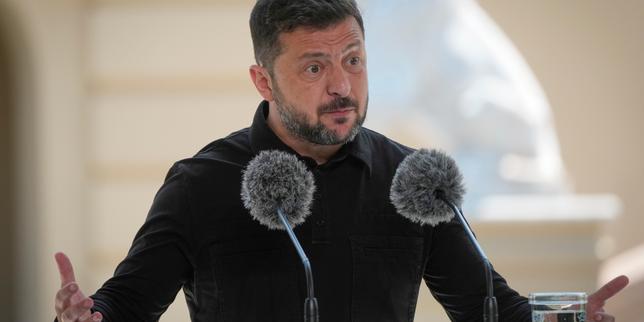
Volodymyr Zelensky didn't wait long to find out.
Following their initial conversations, Zelensky publicly welcomed the assurances from London, highlighting the "solid" support pledged by Burnham. But while political headlines love to trumpet a new chapter, the reality on the ground is much more pragmatic. British foreign policy on Eastern Europe isn't built on political personalities—it's locked into an institutional track that transcended three Conservative prime ministers and isn't changing under Labour.
The Real Power Behind the Continuity
When Andy Burnham took over as prime minister, critics quickly pointed to his background. As the former mayor of Greater Manchester, his career over the past decade focused on regional transport, housing, and local economic development rather than high-stakes geopolitical maneuvering.
Yet, any assumption that a regional focus translates to a foreign policy retreat misses how the UK state operates.
- Bipartisan Whitehall Consensus: Defense strategies, intelligence operations, and logistics networks in the UK are managed by institutional structures that don't reset when leadership changes.
- Decentralized Support Networks: Interestingly, Burnham brought up his past connections with Ukrainian regional mayors, pointing out that local government networks have been quietly providing humanitarian and municipal aid alongside defense equipment.
- Public and Parliamentary Backing: Cross-party support in the House of Commons for military assistance remains one of the few genuinely unanimous topics in Westminster.
Political transitions in London often look dramatic from the outside. On the world stage, though, British defense posture operates with remarkable momentum.
What Zelensky Actually Needs Right Now
Sensational headlines focus on friendly phone calls and diplomatic pleasantries, but Kyiv's priorities are concrete and immediate. Verbal backing from Downing Street is standard, but the practical details determine whether defense lines hold.
Kyiv doesn't just need promises of solidarity; it needs specific commitments.
- Sustained Ammunition Pipelines: Industrial production bottlenecks across Europe have made consistent supply chains a primary bottleneck.
- Long-Range Capability Clearances: Operational rules regarding military equipment use remain a vital tactical discussion between Western allies.
- Economic Stabilization: Maintaining basic state infrastructure while fighting a prolonged war requires constant financial backing to prevent fiscal collapse.
Burnham's reassurance to Zelensky wasn't just a political gesture. It was a signal to defense ministry officials and international partners that existing supply contracts, training programs, and financial commitments remain entirely untouched.
Navigating the Washington Factor
Every European leader managing defense strategy keeps an eye on Washington. With changing political dynamics in the United States, European nations have felt increasing pressure to take ownership of regional security.
London has consistently positioned itself as a bridge between American policy and European strategic needs. Burnham’s earliest calls as prime minister were split between Kyiv and Washington for a reason. Maintaining an open line with US leadership while maintaining a firm European front is the core task facing the new administration in London.
For Zelensky, a reliable British partner isn't a luxury; it's a structural necessity. Britain's early, proactive assistance often set the standard for other NATO members to follow, creating a framework that made it easier for other European nations to step up their own supply efforts.
What to Watch in the Coming Months
Don't judge the trajectory of UK-Ukraine relations by initial speeches outside Downing Street. Watch the budget allocations and bilateral defense agreements instead.
If you want to see where British policy is actually heading, pay attention to these three practical indicators:
First, monitor the upcoming defense spending reviews to see if pledge targets match real-world delivery schedules. Second, track whether joint training operations hosted on British soil expand or shift focus toward advanced technical systems. Third, look for how actively London coordinates with Nordic and Baltic allies, who share Britain's firm approach to regional security.
Political faces in London change, but core geopolitical interests don't shift overnight. Burnham's early message to Kyiv made one thing clear: despite a change at the top, Britain’s strategic trajectory is staying on course.