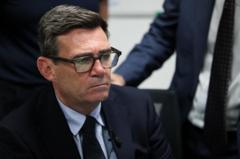
Prime Minister Andy Burnham is hitting the road. As August unfolds across the UK, he is packing his bags for a national tour explicitly designed to capture public grievances over everyday expenses. It is a high-stakes play. Critics call it a PR exercise, but Downing Street insists it is the bedrock of a long-term economic reset.
If you are wondering why this tour matters right now, look at the polling data. A late-July Ipsos poll highlighted that roughly 30 percent of the public views the wider economy as a core worry, while 22 percent point directly to stubborn inflation and price hikes. People are exhausted. They are tired of bills climbing faster than wages. Burnham wants to project an image of a leader who listens rather than dictates from inside the Westminster bubble. Don't forget to check out our recent article on this related article.
What the Tour Actually Involves
Forget standard political posturing for a second. The strategy centers on getting out of London and heading straight into regional hubs, community groups, and local businesses. Burnham plans to use these face-to-face encounters to feed directly into a sweeping 10-year national strategy.
This journey does not happen in a vacuum. It follows a flurry of early moves from Number 10 following his arrival in July. Within his first fortnight, Burnham pushed through a £2 cap on bus fares across England and initiated a VAT cut on energy bills set to take effect in October. He also carved out business rate discounts for pubs, social clubs, and music venues. If you want more about the background of this, Al Jazeera provides an informative summary.
Yet, the reception from rival parties is fiercely hostile. Opposition figures argue that these steps amount to little more than superficial tinkering.
The High Street Battleground
A massive component of Burnham's outreach focuses on reviving neglected town centres. Downing Street officials argue that everyday annoyances, such as hidden pricing models and consumer rip-offs, have been normalized for too long. Pro-consumer regulations are coming down the pipeline to target these issues.
To fund breaks for traditional hospitality venues, the government is eyeing changes to business reliefs for operations that contribute little community value, such as vape shops. But business groups and opposition spokespeople claim the math does not add up.
Shadow chancellor Sir Mel Stride has openly accused the government of hypocrisy. The argument from critics is straightforward: broad tax hikes and heavy-handed red tape are crushing the very high streets Burnham claims to protect. Liberal Democrat figures have echoed this frustration, arguing that struggling shops need immediate structural relief rather than a summer listening exercise.
Meanwhile, Reform UK representatives have pushed alternative solutions, arguing that trimming welfare expenditures and slashing green levies on energy bills would offer genuine relief to hardworking taxpayers.
Where the Economy Goes From Here
Inflation remains stubbornly high, partly fueled by broader geopolitical strains like the conflict involving Iran. Families feel that pinch every single time they fill up a car or buy groceries. Burnham's tour is an attempt to absorb that raw anger firsthand, translating street-level frustration into actual policy before the autumn budget lands.
Whether this nationwide listening tour calms public anxiety or merely provides a stage for critics to amplify economic fears depends entirely on what policies follow. If the upcoming legislative adjustments fail to meaningfully lower everyday expenses, public patience will evaporate quickly. The tour gives the prime minister a temporary shield of engagement, but the numbers on household utility bills and grocery receipts will ultimately write the final verdict.