When a catastrophic failure occurs within a high-risk operational environment, public discourse instantly fractures into two predictable camps: moral panic regarding the continuation of the activity and bureaucratic reassurance regarding regulatory compliance. In the context of zoological facilities housing apex predators, a fatality triggers an immediate crisis management loop. Deconstructing this event requires setting aside emotional rhetoric and analyzing the physical, procedural, and systemic variables that govern high-consequence animal management facilities.
The Mechanics of Enclosure Integrity and Access Control
The primary metric of safety in any captive apex predator environment is zero-tolerance boundary failure. Zoos operate on a layered defense-in-depth model that relies on physical barriers, automated fail-safes, and strict behavioral protocols for human operators. When a breach occurs resulting in a human casualty, the failure is rarely a singular point of breakdown; it is almost invariably the convergence of multiple latent vulnerabilities within the operational system.
The physical architecture of modern tiger exhibits, such as purpose-built Amur tiger reserves, typically utilizes a combination of dry moats, reinforced perimeter fencing, and interlocking gate systems. These systems are designed to eliminate single points of human error. However, human-wildlife interface protocols require active management, meaning that mechanical integrity must be matched by procedural discipline.
When analyzing a fatal incident, safety auditors isolate three primary vectors of failure:
- Procedural Drift: The gradual erosion of adherence to standard operating procedures over time,
Operational Risk and Facility Redesign After Apex Predator Fatalities
news, business
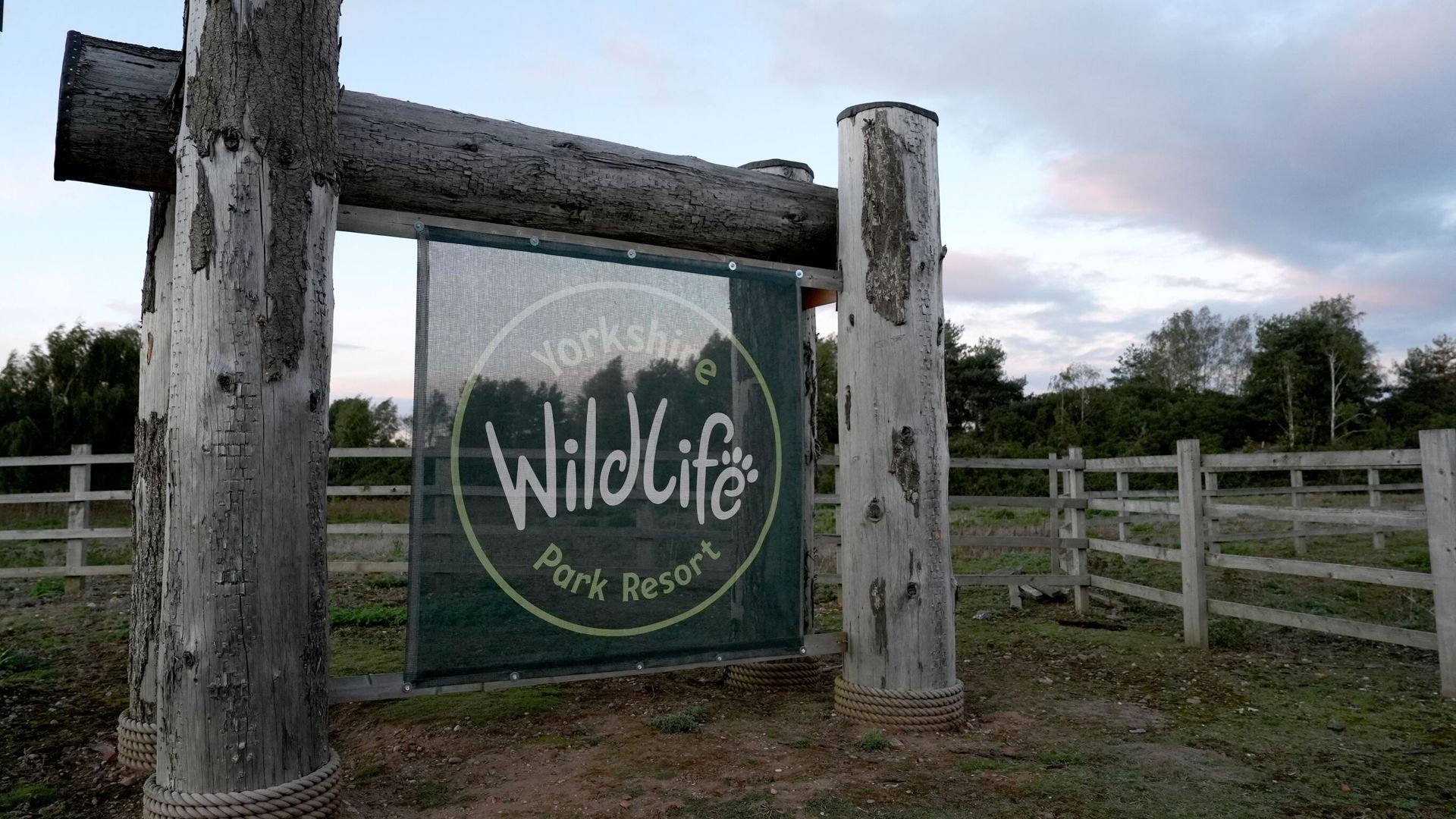
When a catastrophic failure occurs within an intensely controlled environment, the standard institutional response follows a predictable cycle of temporary suspension, procedural review, and staged reopening. The recent case of a UK wildlife park reopening its tiger enclosure following a keeper fatality demands a rigorous operational autopsy. Incidents of this magnitude are rarely isolated anomalies caused by a single human error. Instead, they represent the terminal point of a failing safety architecture where redundant layers of defense eroded simultaneously.
The Failure Matrix of High-Risk Zoological Environments
Managing dangerous carnivores involves maintaining absolute separation between apex predators and human operators. In safety engineering, this separation relies on the Swiss Cheese Model of accident causation, where organizational mishaps align to breach multiple barriers. When a breach results in a fatality, it exposes three distinct structural vulnerabilities.
The first vulnerability is procedural drift. Over time, protocols designed to eliminate risk are subtly modified by staff to optimize for operational efficiency or speed. Routine breeds a false sense of security, transforming high-risk procedures into casual tasks.
The second vulnerability is architectural latency. Physical barriers, hydraulic gates, and interlocking systems degrade through mechanical wear or environmental exposure. If maintenance schedules prioritize cost reduction over fault tolerance, the margin for human error narrows significantly.
The third vulnerability is behavioral variance. Even the most comprehensive standard operating procedures cannot account for every situational variable. When environmental factors change unexpectedly, operators forced to improvise without real-time decision support systems frequently default to heuristic judgments rather than strict safety checks.
The Cost Function of Reopening Protocols
Reopening a facility after a fatal incident requires balancing institutional financial survival with absolute regulatory compliance. The economic pressure to resume operations creates a high-stakes operational trade-off.
Financial Recovery Pressure
    vs.
Exhaustive Forensic Verification
To justify reopening to regulators, the park administration must demonstrate that the baseline risk has been systematically reduced through hard engineering controls rather than soft administrative promises. Relying on increased staff vigilance is an inadequate mitigation strategy. Human attention is finite, whereas physical interlocking mechanisms provide deterministic security.
A viable remediation framework mandates the elimination of single points of failure. If an operator must physically enter a perimeter shared with a tiger, the system must enforce a double-interlock state where secondary and tertiary barriers cannot be disengaged until the primary barrier is verified locked through automated sensor feedback.
Redundancy Engineering versus Procedural Compliance
Organizations frequently confuse writing rules with enforcing safety. A stack of standard operating procedures does not prevent a tiger from entering a keeper's zone. True safety engineering shifts the burden of proof from human compliance to system architecture.
When redesigning enclosure workflows, management must implement programmatic fail-safes. These include automated gate telemetry linked to master power grids, visual confirmation loops using remote closed-circuit monitoring before manual overrides are permitted, and independent safety audits conducted by external specialists who possess no financial stake in the park's immediate reopening.
The resumption of operations at the wildlife park should not be measured by the passage of time or the completion of a bureaucratic inquiry. It must be judged by the implementation of a zero-trust operational model where every human action inside the animal management zone is double-checked by mechanical or digital constraints. If the structural deficiencies that allowed the initial breach to occur are merely patched with revised paperwork, the system remains vulnerable to identical failure modes.
Strategic Risk Mitigation Playbook
- Mandate Automated Interlocks: Eliminate manual-only gate configurations by installing mechanical deadlocks that require dual-authentication digital clearance to release.
- Decouple Speed from Safety: Remove performance incentives or time-pressure metrics from daily animal husbandry and maintenance routines.
- Institute Independent Oversight: Establish a permanent, external safety board with unilateral authority to halt operations upon detecting protocol drift.
- Transition to Remote Telemetry: Shift primary enclosure monitoring and feeding mechanics to remote-control environments wherever physical proximity to the animal is non-essential.


