The global animal pandemic has finally breached South Australia's borders. For years, Australia stood as the last continent free from the highly pathogenic H5N1 avian influenza clade 2.3.4.4b. That geographic isolation just shattered.
On June 24, 2026, authorities confirmed that a southern giant petrel found on Knights Beach in Port Elliot tested positive for the deadly strain. It marks the third official mainland case following two initial detections in migratory seabirds over in Western Australia just days earlier. Another suspected case in a giant petrel near Quindalup threatens to push that number to four.
If you think this is just a story about a few sick seabirds on a beach, you're missing the bigger picture. The arrival of H5N1 on southern shores places our unique wildlife, a $133 million poultry export market, and local agricultural ecosystems on the absolute precipice of a crisis.
The Timeline of the Beach Discovery
This case didn't start with a mass die-off. It started with a single, exhausted bird. The southern giant petrel was found beach-washed and debilitated on June 14, 2026, by volunteers from the Wildlife Welfare Organisation SA. They took it to their care center in Goolwa, completely unaware that the bird was harboring a virus that has decimated bird populations worldwide.
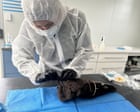
The primary industries authority, PIRSA, only caught wind of the situation five days later through a social media post. What followed was a bureaucratic scramble that highlights how easily this virus can slip under the radar. An initial swab test came back negative, then inconclusive. By the time authorities picked up the bird on June 23, it was actually gaining weight and looking healthier. It was euthanized, and samples sent to the CSIRO’s Australian Centre for Disease Preparedness in Geelong officially confirmed the nightmare on Wednesday.
South Australian Premier Peter Malinauskas and Federal Agriculture Minister Julie Collins have tried to calm nerves by calling this an isolated incident. They've pointed out that local commercial poultry farms remain entirely free of the disease. But treating this as a one-off is dangerously short-sighted.
Why Migratory Seabirds Form the Perfect Vector
The southern giant petrel breeds in Antarctica and subantarctic islands between October and March. During the winter months, these birds travel massive distances north, following marine food sources directly into South Australian waters.
Genome testing on the very first Australian case—a brown skua found near Esperance—isolated the source of the infection to subantarctic territories like Heard Island and the McDonald Islands. The subantarctic summer of 2025–2026 was a biological horror show; the virus wiped out roughly 13,000 elephant seal pups on Heard Island alone. The birds currently landing on our beaches are carrying the remnants of that southern outbreak.
The real danger isn't the petrels themselves. They are oceanic birds that rarely spend time inland. The catastrophic tipping point happens if local scavenging species—like gulls, birds of prey, or foxes—feed on an infected petrel carcass.
Once the virus jumps from pelagic seabirds into local freshwater dabbling ducks, the game changes completely. Ducks can carry H5N1 with virtually no visible symptoms while continuing to migrate. They use communal waterways, shedding massive amounts of the virus through their feces into the water. If that happens, the virus will spread along inland river systems like the Murray-Darling basin, putting millions of native birds and commercial poultry operations directly in the line of fire.
What is at Stake for Australian Agriculture
The economic stakes are massive. The poultry industry is already reacting. Ingham's, one of the country's largest commercial poultry producers, immediately locked down its Western Australian facilities to prevent any potential biosecurity breaches.
A wider outbreak would trigger mass culls like those seen in the United States, where over 200 million birds have been destroyed. It would also completely paralyze international trade. Papua New Guinea briefly slapped a temporary ban on all Australian poultry imports following the Western Australian detections. While that ban was quickly lifted after frantic diplomatic work by Minister Collins, it served as a brutal reminder of how fragile our export markets are. Papua New Guinea represents nearly half of Australia's total chicken meat export value.
How to Protect Local Biosecurity
The federal government has poured more than $113 million into H5N1 preparedness since 2024, alongside a $6.8 million investment by South Australia for mobile diagnostic labs and decontamination units. But state-of-the-art equipment is useless without frontline vigilance.
If you are a poultry farmer, backyard chicken owner, or bird lover, you need to change how you operate today.
- Enclose all feeding areas: Do not leave chicken feed or water bowls out in the open where wild birds can access them.
- Secure your water supply: Avoid using untreated surface water from ponds or dams for your flock. Use town water or underground water wherever possible.
- Implement strict biosecurity protocols: Clean your boots and change your clothes before entering poultry enclosures. Restrict visitors to your property.
- Report immediately: If you see any signs of neurological distress, sudden death, swollen heads, or a drastic drop in egg production in your birds, don't wait.
For beachgoers and coastal communities, the mandate is simple: avoid, record, and report. Do not touch dead or dying wildlife. Keep your dogs on leashes on Fleurieu Peninsula beaches. If you spot a sick bird, take a photo, note the exact location coordinates, and immediately call the Emergency Animal Disease Hotline on 1800 675 888. The speed of our reporting is the only thing standing between an isolated case and a national ecological disaster.