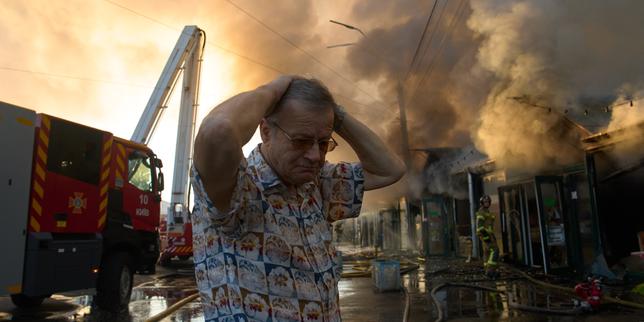
Smoke rises, but it is not always the smoke of destruction. Sometimes, in the tight, crowded corridors of a city compressed by blockades and relentless tension, it is the sharp, welcoming scent of roasting cumin, chopped garlic, and warming olive oil.
In a world where basic survival often eclipses all else, sixteen-year-old chefs do not typically spend their afternoons perfecting the emulsion of a pan sauce. Yet, here is a kitchen—or what is left of one, with cracked concrete walls and improvised stoves—where a young mind bends entirely toward the alchemy of food.
To understand what happens when a teenager crafts gourmet meals under extreme duress, you have to look past the breaking news tickers. You have to look at the human need for dignity.
The Weight of a Wooden Spoon
His name is Abood. He is sixteen years old. In normal circumstances, a boy of sixteen worries about high school exams, soccer matches, or what to wear on a Friday night. Abood worries about whether the local market has flour today, or if the gas canister will run dry before the broth can reduce.
Cooking is an act of ferocious optimism.
When resources vanish, the natural human reaction is contraction. People pull inward. They hoard. They survive on the barest, grayest essentials. But Abood reaches outward. He takes meager rations—canned beans, flour, sparse vegetables—and treats them with the reverence of a Michelin-starred apprentice.
Consider what happens when he chops onions on a battered plastic board. The knife is dull. The light is harsh. Yet his shoulders drop into a rhythm. Chop. Slide. Gather. It is the same rhythm found in professional kitchens from Tokyo to Paris. It is a ritual of control. When the external world is a chaotic storm of uncertainty, the cutting board offers absolute, undeniable order.
Flavor as Defiance
We often talk about humanitarian crises in numbers. Calories per day. Liters of clean water. Tonnes of medical aid. These statistics are vital, but they strip away the texture of human existence. They reduce living, breathing people to ledger entries.
Abood’s cooking corrects this imbalance.
When he plates a dish—even if it is just a creative reimagining of flatbread and spiced lentils—he is making a profound psychological statement. He is saying that flavor matters. He is saying that beauty matters. He is saying that tomorrow is worth preparing for.
Think about the psychology of taste. Flavor connects us to memory. A properly seasoned stew tastes like home, like weddings, like Sunday afternoons before the world fractured. When a sixteen-year-old coaxes complex aromas out of limited ingredients, he is conjuring ghosts of normalcy. He is feeding more than empty stomachs. He is feeding memory. He is feeding hope.
The Classroom of Necessity
There are no culinary academies here. There are no professional mentors wearing pristine white coats with embroidered names. Abood learned his craft through a glowing rectangle of glass—watching videos on a flickering smartphone screen when the electricity held out long enough to load a YouTube tutorial.
He watched French pastry techniques. He studied Italian pasta doughs. He memorized the way sauces glisten under warm overhead lights. Then, he translated those digital dreams into physical reality using whatever scraps he could salvage.
This is the modern paradox. The same global network that broadcasts the devastation also delivers the instruction manual for creation. A boy in a besieged enclave can study the techniques of a master in New York, internalize the philosophy, and replicate the soul of the dish in a crumbling courtyard.
It is a testament to human adaptability. We do not just endure our environments; we rewrite them.
The Scent of Normalcy
Walk down the street where Abood works. The soundscape is heavy. Distant thrums of machinery, the shouts of children playing amid rubble, the rustle of plastic tarps flapping in the wind.
Then, you cross an invisible boundary.
The air changes.
The heavy, burnt tang of conflict gives way to the toasted warmth of butter and herbs. Neighbors gather. They do not come because they are starving; they come because they are hungry for something else. They come for the shared experience of a good meal. They lean against the cracked walls, closing their eyes as they taste a sauce that tastes of care, of patience, of a future that refuses to be erased.
This is the invisible stake of the story. It is not merely about a talented kid going viral on social media. It is about the preservation of humanity in a place designed to wear it down.
When Abood lifts the lid off a pot, steam billows into the dusty air. For a few seconds, the kitchen is not a battleground. It is just a kitchen. And he is not just a survivor. He is a chef.
The fire beneath the pot flickers. The wind howls through the gaps in the concrete. But inside the bowl, the flavors are balanced, intentional, and alive.