The air in Minab does not just carry the scent of the sea; it carries the weight of a heat so oppressive it feels like a physical hand pressing against your chest. On a Tuesday morning in 2012, that heat was joined by something far more sinister. It was the smell of melting plastic and scorched wood. It was the sound of a scream that never truly stopped echoing through the dust-choked streets of this southern Iranian town.
A classroom burned.
It wasn't a grand architectural disaster. It was a humble space, a place where dreams were supposed to be nurtured in the quiet margins of a developing nation. Instead, it became a furnace. When the oil heater malfunctioned, the fire didn't just take the walls; it took the futures of children who were simply trying to learn their alphabets.
For years, this tragedy sat in the ledgers of local grief. It was a statistic in a government report, a scar on the faces of survivors, and a hollow ache in the hearts of mothers. But now, that smoke is rising again, not from a faulty heater, but from the prestigious, salt-sprayed promenades of the French Riviera.
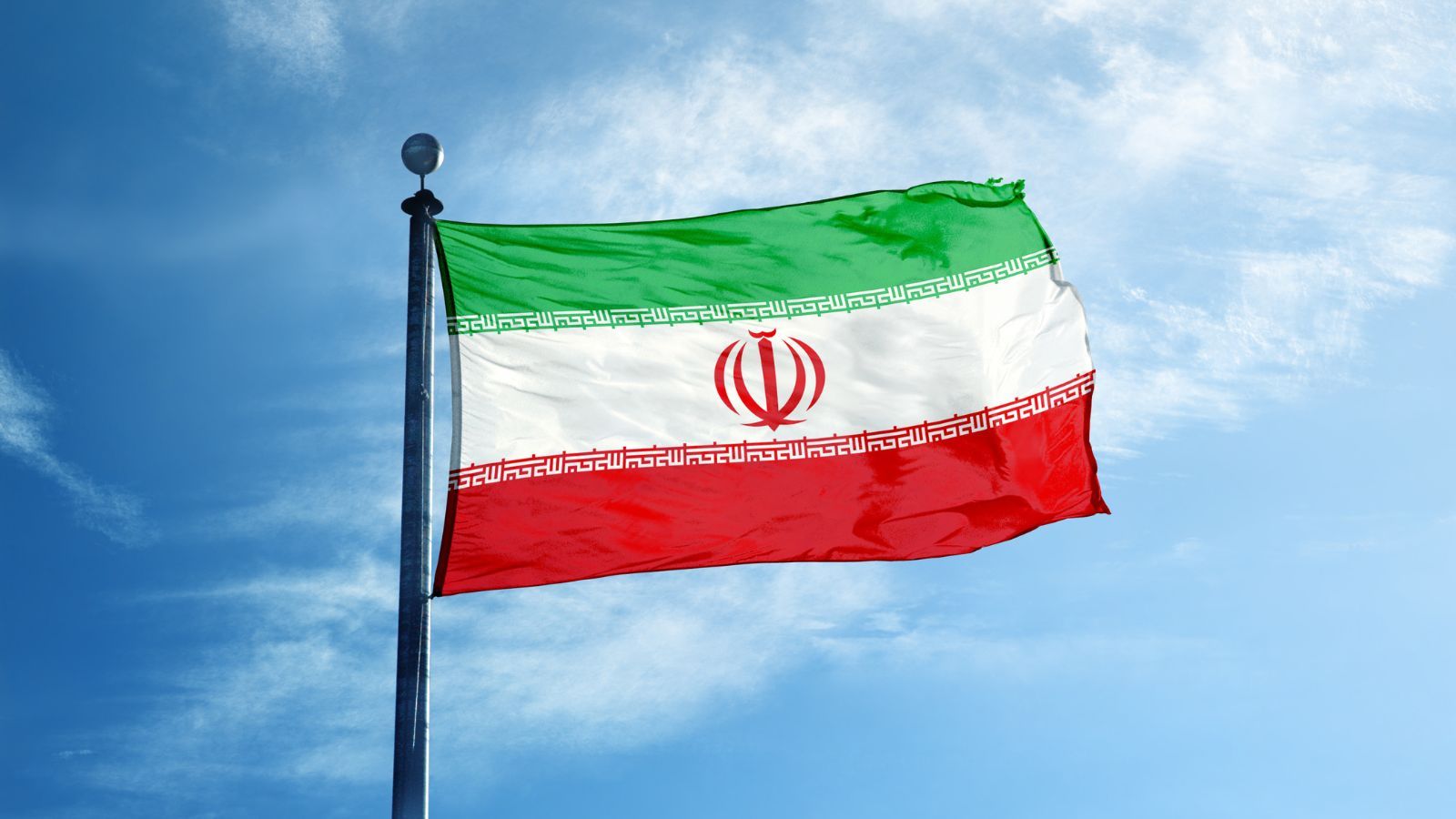
Iran has brought the ghost of the Minab School tragedy to the Cannes Film Festival.
The Weight of a Lens
Walking through the Palais des Festivals at Cannes, you are surrounded by the glitter of a thousand sequins and the champagne-fueled roar of the global elite. It is the last place you would expect to find the soot of a village schoolhouse. Yet, the Iranian delegation arrived with a mission that transcended the usual hunger for distribution deals or Golden Palms.
They didn't come to sell a finished product. They came to find a heartbeat.
The goal is a film adaptation, a cinematic vessel to carry the weight of what happened in Minab to a global audience. But why? Why dredge up a decade-old wound in a world already saturated with digital misery?
The answer lies in the unique power of the moving image to transform a "tragedy" into a "testimony." In the dry language of news reports, we hear about safety regulations and bureaucratic negligence. We hear about "the victims." In cinema, we see the way a specific girl tucked her hair behind her ear before the first spark flew. We smell the charred remains of a favorite notebook.
We stop looking at statistics. We start looking at people.
The Invisible Stakes of Memory
Consider a hypothetical filmmaker—let’s call him Elias—standing on the Croisette. He isn't looking at the celebrities. He is looking at the blue of the Mediterranean and thinking about how different it looks from the horizon in Minab. Elias knows that if this story isn't told, the children of that school will die a second death: the death of being forgotten.
The Iranian push for a film adaptation is a calculated gamble on human empathy. They are seeking international co-producers and visionary directors who can navigate the delicate tightrope of political sensitivity and raw human emotion.
The stakes are higher than a box office return.
There is a specific kind of justice that only art can provide. It is the justice of recognition. When a story like Minab is projected onto a screen that is thirty feet tall, the world is forced to acknowledge that these lives mattered. The fire becomes a metaphor for every overlooked corner of the globe where poverty and poor infrastructure turn mundane mornings into nightmares.
A Narrative Built from Scars
To understand the urgency, one must understand the survivors. They aren't characters in a script yet, but they have lived through a plot no writer would dare invent.
Imagine the sensation of skin that has been grafted and regrafted, a constant, itching reminder of a morning that wouldn't end. For the survivors of the Minab fire, the transition from tragedy to film is a double-edged sword. There is the hope that their pain will finally mean something to the world, and the fear that their trauma will be commodified for a red-carpet moment.
This is the tension the Iranian delegation carries through the halls of Cannes. They are pitching more than a movie; they are pitching a responsibility.
The facts of the 2012 fire are cold. A pre-school/elementary wing. A lack of proper fire extinguishers. A delayed response. These are the bones. The film intends to provide the blood and the breath. By seeking international partners at Cannes, Iran is inviting the world to help build this monument. They are looking for the technical prowess of European or Asian cinema to blend with the poetic, often neo-realist tradition of Iranian storytelling.
The Paradox of the Red Carpet
There is an inherent friction in bringing a story of scorched earth to a place of such immense wealth. You see it in the way the light hits the posters. On one side, a blockbuster about a superhero; on the other, the somber pitch for a story about a burning classroom.
But this friction is where the sparks of real change happen.
Cinema has always been Iran’s most potent cultural export. While sanctions and political tensions often cloud the diplomatic view, the films of Kiarostami, Farhadi, and Panahi have acted as a bridge. They remind the viewer that behind the headlines is a complex, breathing society of parents who worry, children who play, and teachers who fail.
By bringing Minab to Cannes, the organizers are leveraging the festival’s status as a high-velocity megaphone. They aren't just looking for money. They are looking for a translator—someone who can take the specific, localized grief of a southern Iranian town and turn it into a universal language of loss and resilience.
Beyond the Frame
What happens when the lights go down and the credits roll on a story like this?
If the mission at Cannes succeeds, the resulting film won't just stay in the theaters. It will enter the bloodstream of the culture. It will spark conversations about school safety, the rural-urban divide, and the ethics of how we protect our most vulnerable.
The story of the Minab school is a mirror. When we look into it, we see the faces of the children, but we also see the systems that failed them. We see the bravery of the teachers who ran back into the smoke. We see the long, slow process of a community trying to knit itself back together.
The Iranian delegation isn't just seeking an adaptation. They are seeking an internal catharsis through an external gaze. They are asking the world to help them hold the weight of those ashes.
As the sun sets over the Mediterranean, casting long, golden shadows across the yachts and the tourists, the ghost of Minab waits. It waits in the briefcase of a producer. It waits in the scribbled notes of a screenwriter. It waits for the moment the camera finally turns toward the dust and the heat, ready to tell the truth.
The fire in Minab lasted only an hour. The story of that hour, if Cannes answers the call, may well last forever.
The survivors are still there, in the quiet heat of the south, waiting to see if their shadows will finally reach the screen. They don't need a hero with a cape. They just need someone to remember the smell of the smoke and the way the morning used to look before the world turned black.