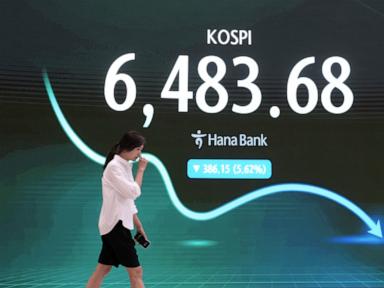
Every financial terminal on Wall Street is currently flashing red. The consensus on the trading floor is absolute panic. When regional benchmarks crater by nearly six percent overnight and crude spikes because of another Middle Eastern flare-up, the mainstream financial press reaches for the exact same tired script. They scream contagion. They forecast prolonged stagnation. They treat market volatility like a terminal disease rather than the natural, aggressive immune system of global capitalism.
I have watched portfolio managers panic-sell solid assets at a loss for two decades simply because a cable news anchor used a dramatic red font.
The lazy narrative says that a major drop in Asian indices combined with a sudden energy shock spells total economic doom. That argument assumes markets are fragile glass structures waiting for a stiff breeze. They are not. They are stress-testing machines. When the Kospi sheds over five percent in a single session, the panic is real, but the panic-driven diagnosis is entirely wrong.
The Myth of the Clean Asset Class
Let us dismantle the core premise of modern financial reporting. The talking heads assume that a shock in Asian equities means capital is fleeing productive enterprise forever. They view every selloff as a permanent destruction of value.
That is nonsense.
Markets do not destroy value during a crash; they reprice reality. When oil prices jump concurrently with an equity selloff, traders automatically assume a 1970s stagflation repeat. They forget basic supply chain mechanics. Energy spikes driven by geopolitical friction act as an immediate tax on inefficient operations while rewarding nimble, low-energy-intensity operators.
I sat across from a senior commodities strategist last week who was sweating bullets over a three-dollar barrel fluctuation. He was treating the movement like a fundamental structural shift in global demand. It was not. It was algorithmic momentum chasing headlines, amplified by passive index funds forced to rebalance mechanically.
When you strip away the automated noise, the underlying cash flows of major Asian manufacturers have barely shifted over forty-eight hours. What changed is the emotional tolerance of leveraged speculators.
Why the Energy Shock is a Cleansing Fire
Let us talk about oil. Whenever crude pops, the chorus begins about how expensive shipping, manufacturing, and commuting will crush consumer demand.
Stop treating high energy prices as an unmitigated disaster.
High oil prices are the market's brutal, effective way of forcing capital away from waste and toward efficiency. For years, cheap energy subsidized corporate laziness. Cheap capital and cheap fuel let zombie companies limp along, producing low-margin commodities that nobody actually needed in optimized quantities.
When energy costs spike, the fat gets trimmed overnight. Companies that rely on brute-force energy consumption instead of engineering efficiency get squeezed out. The capital freed from those dying operations flows directly into automation, grid modernization, and alternative infrastructure.
If you own shares in a company that hasn't optimized its power usage since 2015, yes, you should panic. But if you own businesses engineered for margin resilience, an oil spike is your greatest ally. It eliminates your weakest competitors while you watch from a position of structural strength.
The Institutional Hypocrisy of Panic
Why do major financial institutions push the panic narrative so hard? Follow the incentives.
Investment banks do not make money when markets move sideways in a calm, orderly fashion. They make their fees on volume, volatility, and corporate restructuring advisory. When CNBC broadcasts red banners about Asian market retreats, retail investors dump their portfolios at the absolute bottom. Simultaneously, institutional desks quietly vacuum up those oversold shares at a massive discount.
I've seen desks scoop up fundamentally sound semiconductor and heavy industrial shares in Seoul at distressed prices while their own research reports were still warning clients about the apocalypse. The game hasn't changed in a century. Fear is manufactured to transfer liquidity from impatient amateurs to patient professionals.
When the Kospi drops over five percent on headline risk rather than a structural collapse of corporate earnings, you are looking at a clearance sale. The institutions writing the panic pieces are the same ones placing buy limit orders twenty percent below the previous close.
How to Trade the Manufactured Crisis
If you want to survive and thrive when the financial press loses its mind, you must invert your operational playbook. Stop reacting to daily price action. Start interrogating the balance sheets of the companies caught in the crossfire.
- Ignore the Index Level: A market index is a weighted average of sentiment, not an audit of corporate health. Focus exclusively on free cash flow yield.
- Embrace the Volatility Tax: Volatility destroys leverage. If your strategy relies on margin, you deserve to get wiped out. If you operate with unencumbered cash, volatility is your hunting license.
- Buy the Margin of Safety: When Asian markets overreact to energy spikes, look for market leaders with zero net debt and dominant pricing power. They can pass rising input costs directly to consumers without losing market share.
The contrarian reality is stark. The people losing sleep over a five percent index drop are the ones who refuse to understand how modern capital allocation actually functions. They want a predictable, risk-free nursery. Capitalism is an open-pit mine.
Let the tourists panic. Let the algorithms churn. While the headlines scream about falling shares and surging crude, the real money is quietly positioning for the rebound that always follows an engineered emotional collapse.