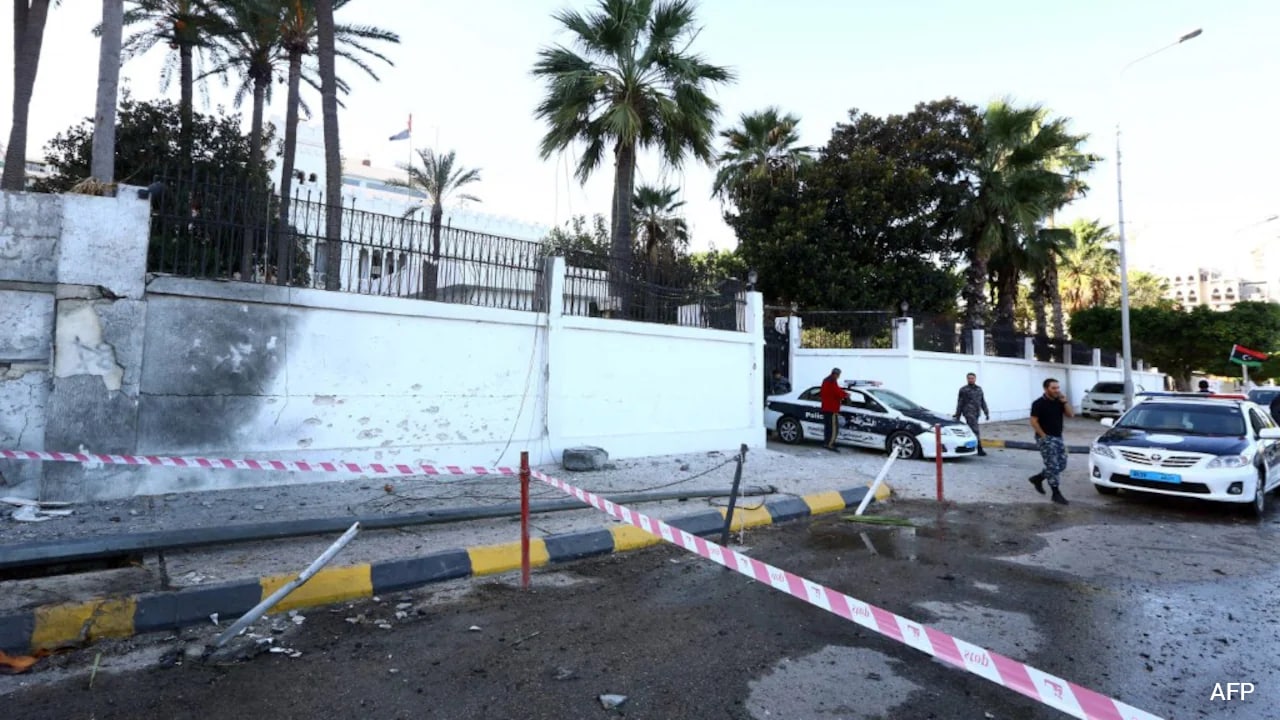
An explosive device tore through a vehicle in Benghazi, killing eastern Libya military intelligence chief Brigadier Fowzi Mansouri. The attack happened outside his home in the Hawari area. It instantly reignited concerns about the fragile security landscape holding the region together.
You cannot look at this single blast in isolation. It exposes the raw instability still plaguing the country years after major fighting supposedly stopped.
The Reality Behind the Benghazi Bombing
Brigadier Fowzi Mansouri led military intelligence for the Libyan National Army. The LNA controls large parts of eastern and southern Libya under the command of Khalifa Haftar. When a high-ranking intelligence official gets taken out by an explosive device right outside his own house, it signals a massive security failure.
Nobody has claimed responsibility yet. Officials haven't released specific details about the exact mechanism of the device either. That silence speaks volumes. It shows how fragmented and dangerous local intelligence networks remain.
Why the 2020 Ceasefire Is Wearing Thin
Most outsiders think the 2020 ceasefire fixed Libya. They assume the war ended and things returned to normal. That's a dangerous misconception.
The country remains deeply fractured. Since the 2014 split, power has stayed divided between two main factions:
- The eastern-based authorities aligned with Khalifa Haftar and the Libyan National Army.
- The internationally recognized Government of National Unity based in Tripoli.
Even though large-scale conventional warfare paused, targeted violence never really stopped. Armed groups and rival networks still hold immense influence. High-profile assassinations like this one prove that political and military rivals can still strike core leadership targets with terrifying precision.
The Broader Security Crisis
Intelligence chiefs are supposed to be protected. When someone targets the head of military intelligence in a stronghold like Benghazi, it shatters public trust in local protection forces.
Security sources spoke to reporters only on condition of anonymity. That fear tells you everything you need to know about operating in eastern Libya right now. Accountability is rare. Investigations into high-profile car bombings rarely yield transparent public trials or definitive answers.
Expect regional tensions to spike over the coming days. Forces loyal to Haftar will likely tighten checkpoints across Benghazi and ramp up security sweeps. But crackdowns rarely solve the underlying rot of deep-seated political divisions. Until rival administrations manage to unify command structures and secure local streets, leaders will keep driving targets on their backs.