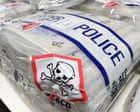
Australia has a massive drug problem that isn’t just staying steady—it’s exploding. If you’ve looked at the headlines lately, you might’ve seen the shocking data from the Australian Criminal Intelligence Commission (ACIC). The latest wastewater monitoring results are basically a wake-up call that the country is sleepwalking into a stimulant disaster. Methamphetamine consumption has doubled in a decade. We aren’t talking about a slight uptick here; we’re talking about a record-breaking surge that’s putting us at the very top of global rankings for drug use.
Honestly, it’s gut-wrenching. While we focus on other social issues, the literal sewers of our cities are telling a story of addiction, crime, and a massive transfer of wealth from everyday Aussies to organized crime syndicates. Between August 2024 and 2025, Australians spent an estimated $14.3 billion on illicit drugs. Meth accounted for a staggering 77% of that. That’s billions of dollars that could be in the economy, in family savings, or in schools, instead flowing straight into the pockets of "mother ship" importers and local dealers. Meanwhile, you can find similar events here: The Anatomy of Coastal Stingray Surges A Mechanical Breakdown of Risk and Response.
Why Wastewater Doesn't Lie
You can't hide your habits from the toilet. That’s the beauty—and the horror—of wastewater monitoring. Unlike surveys where people might downplay their drug use because of shame or legal fears, the ACIC’s National Wastewater Drug Monitoring Program looks at the chemical markers left behind by 57% of the population.
The data from Report 24 is undeniable. Consumption of "ice" (crystal meth) hit 15,971kg in the last reporting year. To put that in perspective, back in 2016, it was around 8,405kg. We’ve effectively doubled our intake while the population hasn't grown anywhere near that fast. It means more people are using, or those who are using are taking much higher, more dangerous doses. To explore the full picture, we recommend the recent article by Everyday Health.
The Global Leaderboard No One Wants to Win
If this were the Olympics, Australia would be on the podium for all the wrong reasons. According to the Sewage Core Group Europe (SCORE), which compares data across 34 nations, Australia is now the second-highest consumer of meth in the world. We only trail the United States. When you look at the combined use of meth, cocaine, MDMA, and heroin per 1,000 people, we’re fifth globally—trailing only behind heavy hitters like the US, Chile, Belgium, and the Netherlands.
It’s a lucrative market for cartels. Because Australia is an island with high wages, the "street price" here is much higher than in Europe or North America. We’re a high-value target for transnational crime groups who are more than happy to flood our streets with high-purity product to keep those profit margins fat.
Regional Australia is Bearing the Brunt
There’s a common myth that drug issues are a "big city" problem. The data says otherwise. Regional areas consistently show higher per-capita consumption of meth, cannabis, and oxycodone than our capital cities. It’s a trend that’s been holding steady and it’s devastating for rural communities that often lack the rehab and mental health infrastructure found in Sydney or Melbourne.
Tasmania saw a 38% annual increase in meth use. The Northern Territory followed closely at 36%. These aren't just numbers; they represent families in small towns dealing with the fallout of psychosis, violence, and domestic instability. While cocaine and ketamine remain the "party drugs" of choice for urban dwellers in places like Sydney, meth is the heavy lifter everywhere else.
The Real Price of a Hit
The social cost is where the math gets truly scary. We spent $14.3 billion on these drugs last year, but the "collateral damage" adds billions more to the bill.
- Healthcare: Meth and other stimulants now account for 12% of all drug-related hospitalizations.
- Ambulances: The rate of meth-related ambulance call-outs jumped significantly between 2021 and 2024.
- Mortality: Deaths involving psychostimulants have risen five-fold since 2000.
- Crime: 77% of the total illicit drug spend goes to meth, which fuels the "mother ship" imports and organized crime networks that ACIC chief executive Heather Cook warns are becoming more sophisticated.
The Cocaine and Heroin Surge
While meth is the undisputed king, it’s not the only drug making a comeback. Cocaine consumption rose by 20% in a single year, and heroin—a drug many thought was a relic of the 90s—spiked by 23%. In the Northern Territory, heroin use actually shot up by 50%.
What’s happening is a diversification of the market. We're seeing "emerging substances" like synthetic opioids (nitazenes and fentanyls) starting to creep in, which is terrifying given the overdose crises seen in North America. The market is becoming more volatile, and the substances are getting stronger.
Moving Past the "War on Drugs" Rhetoric
We've been hearing about the "War on Drugs" for decades, but the wastewater doesn't suggest we're winning. If consumption is doubling, the current strategy of just "catching the bad guys" isn't enough. We have a demand problem, not just a supply problem.
If you or someone you know is caught in this cycle, the data shows that early intervention is the only thing that actually reduces the long-term social and financial cost. Waiting for a "rock bottom" often leads to a hospital bed or a jail cell.
- Check the resources: Reach out to the Alcohol and Drug Foundation (ADF) or local state-based services like NSW Health’s "Your Room."
- Support local rehab: Regional areas need more than just police; they need dedicated detox and recovery beds.
- Demand better policy: Support initiatives that focus on harm reduction and treating addiction as a health crisis, not just a criminal one.
The numbers are out. The water has been tested. Australia’s meth problem is no longer a "hidden" epidemic—it’s right there in the data, and it’s time we started treating it like the national emergency it clearly is.