The coffee at the station is always too hot or too cold. On a rainy Tuesday in Florida, Detective Miller sat with a lukewarm paper cup between his palms, staring at a monitor that didn't belong to him. Or rather, it belonged to a private corporation based in Atlanta, but it was piped directly into his precinct. A little glowing dot on a map. A license plate. A timestamp.
He didn't need a warrant. He didn't need a judge's signature, or a reasonable suspicion, or the slow, grinding machinery of due process. He just needed a query bar.
Consider what happens when a tool designed to catch interstate cargo thieves becomes a personal tracking device. It starts with curiosity. Then it curdles into obsession. Before long, a sheriff's deputy is typing his ex-girlfriend's license plate into an automated license plate reader network, watching her daily commute unfold in real-time notifications on his smartphone. Every grocery run. Every late night at the office. Every quiet weekend drive to a friend's house.
The screen glowed in the dim precinct room. The system didn't blink. It didn't judge. It just recorded.
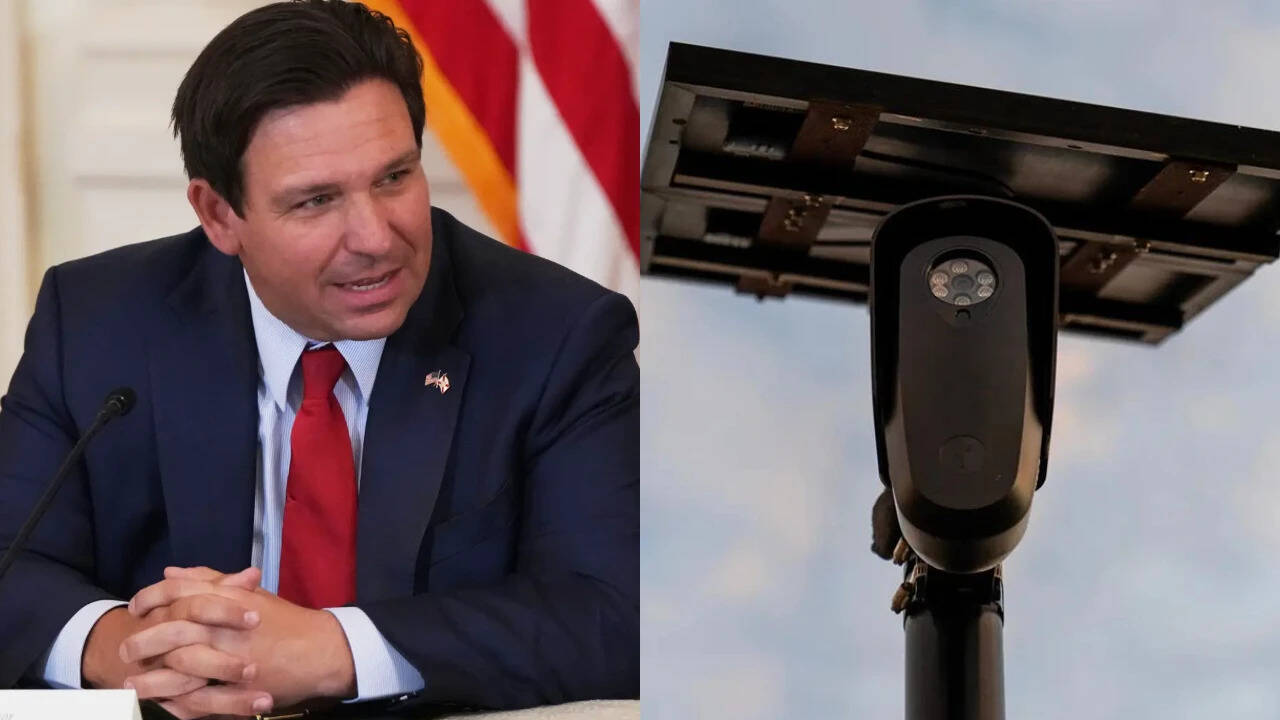
When the news broke that Florida was moving to ban Flock Safety and similar automated camera systems on public rights-of-way—triggered by the quiet, shameful resignation of that very deputy—it felt like a sudden jolt of cold water. For years, cities across the Sunshine State embraced these solar-powered, high-definition cameras with open arms. They promised safety. They promised data-driven policing. They promised an impenetrable shield against crime.
They also promised a total erosion of anonymity.
Walk down any suburban thoroughfare today, and you are being watched. You might not see the cameras. They are mounted inconspicuously on traffic light poles and utility masts, painted neutral grays and blacks to blend into the civic furniture. They capture every passing vehicle, logging make, model, color, bumper stickers, and precise GPS coordinates. They build a permanent, searchable history of your physical existence.
And that brings us to the uncomfortable truth about convenience. We traded our privacy for the comforting illusion of absolute security, handing the keys of our daily movements over to private vendors and law enforcement agencies with very few guardrails in place.
The deputy thought he was clever. He assumed the digital paper trail would remain buried beneath millions of other routine scans. He forgot a fundamental rule of surveillance architecture: whoever builds the panopticon eventually invites everyone inside to use it. When his department discovered what he was doing—using taxpayer-funded infrastructure to stalk an individual—the fallout was swift. A resignation. An internal investigation. A sudden, glaring spotlight on a multi-million-dollar industry that prefers to operate in the shadows.
Florida lawmakers reacted with surprising fury. The legislative pendulum swung hard. The ban wasn't just a slap on the wrist for a rogue cop; it was an indictment of an entire philosophy of governance that equates more data with more freedom.
Think about the sheer scale of the network before the ban. Millions of cars photographed daily. Billions of data points stored on private cloud servers, accessible not just to local patrol officers, but shared across state lines through massive data-sharing agreements. When a private company holds the keys to public movement, the boundaries between corporate profit and state surveillance dissolve entirely.
People often ask why this matters if you have nothing to hide. It is a tired refrain, born of a fundamental misunderstanding of power. Privacy is not about hiding wrongdoing. It is about protecting the sacred space where autonomy exists. If every movement you make is recorded, cataloged, and searchable by anyone with a badge and a login, your behavior changes. You hesitate. You conform. You self-censor. The chilling effect of constant observation is real, measurable, and corrosive to a free society.
The deputy's abuse of the system wasn't a glitch in the software. It was the system working exactly as designed—a powerful tool placed in human hands, waiting for human flaws to exploit it.
When the cameras go dark, the silence feels heavy. Some local officials panic, warning of rising crime rates and lost investigative advantages. They point to the high-profile recoveries of stolen vehicles and the occasional apprehension of a fleeing felon as proof that the cameras are indispensable. They argue that throwing out the technology is a knee-jerk reaction to a single bad actor.
But look closer at what was actually lost. We lost a shortcut. We lost the lazy luxury of letting an algorithm do the heavy lifting of police work, while quietly forfeiting the constitutional right of every citizen to travel unmolested and unrecorded by the state.
True security has never come from watching citizens harder. It comes from the difficult, unglamorous work of community trust, constitutional policing, and traditional investigative grit. Detective Miller knew this, even if he forgot it for a moment while staring at that glowing blue dot on his screen.
The monitors in the precinct are a little darker now in Florida. The automated alerts have stopped pinging for cars that have committed no crime. Out on the asphalt, beneath the quiet glare of the afternoon sun, a car drives past a utility pole. The pole is just a pole again. The lens is blind. And for the first time in a long time, the road ahead belongs to the people driving on it, completely unseen.