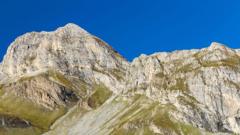
High-altitude hiking isn't a walk in the park. It doesn't matter how fit you are or how many miles you've logged on flat terrain. The mountains don't care. That stark reality hit home again this weekend when a 42-year-old British woman fell 500 meters to her death on the slopes of Balaitus Peak in the Spanish Pyrenees.
She was hiking with her 53-year-old partner on Saturday evening when she slipped on a snow-covered ridge. He watched the entire thing happen, entirely helpless. While he emerged physically unharmed, the psychological toll is unimaginable. If you found value in this post, you should look at: this related article.
This wasn't an reckless amateur taking silly risks. The couple lived in Finland, a country known for harsh winters, and they were tackling the Great Diagonal, one of the most popular and accessible climbing routes to the 3,144-meter summit. Yet a single patch of summer snow turned a classic weekend trek into a fatal disaster.
If you think summer in the Pyrenees means clear trails and easy scrambles, you are dead wrong. This tragedy exposes the exact trap that catches experienced hikers off guard every single year. For another perspective on this event, refer to the latest update from AFAR.
The Lethal Illusion of Summer Snow
People look at June weather down in the valleys and assume the peaks are just as welcoming. They aren't. Balaitus Peak is a massive granite fortress sitting directly on the border between Spain and France. It separates the Spanish Tena Valley from the French Val d'Azun, marking the true beginning of the High Pyrenees.
The Great Diagonal route is highly traveled, but it features steep, exposed sections where the margin for error is zero. In late spring and early summer, these gullies hold onto hard, compacted snow pack.
Here is what happens. You walk on warm, dry rock for hours. Your brain adjusts to the high traction. Suddenly, the trail crosses a couloir filled with old winter snow that has melted and refrozen into a slick sheet of ice. If you don't stop to put on crampons, or if you don't carry an ice axe to arrest a slide, a single slip means you are accelerating down a 45-degree slope instantly.
The Civil Guard's mountain rescue unit, known as GREIM, mobilized a helicopter after the alarm was raised around 7:20 PM on Saturday. They recovered her body from the rocky terrain and transported her to Zaragoza for a post-mortem, but the damage was done the moment her boots lost contact with the ridge.
Common Mistakes Even Experienced Trekkers Make
I see it all the time. Hikers get complacent because a route is labeled as a classic or popular. Popular doesn't mean safe. Here are the brutal mistakes that lead to rescue operations in the high peaks.
- Underestimating late-season snow fields. Just because it's June or July doesn't mean the snow is gone. Mountain passes block the sun, preserving icy hazards long into the summer.
- Late finishes. The alarm in this incident wasn't raised until 7:20 PM. Mountain weather shifts fast in the late afternoon, and tracking or descending in fading light increases your risk of a misstep tenfold.
- Leaving the traction gear in the pack. Carrying microspikes or crampons is useless if you decide not to put them on because the snow patch "only looks twenty feet wide."
The Pyrenees have a long history of claiming lives in exactly this manner. Just last month, a 61-year-old British hiker died in the Picos de Europa range after calling for help, stating he was lost and exhausted. A few years back, the high-profile disappearance of British vlogger Esther Dingley near the Pic de Sauvegarde ended in tragedy after an accidental fall on a steep slope. The mountain terrain is unforgiving.
How to Protect Yourself on Exposed Ridges
You need to change your mindset before you pack your bags for the Aragon region or any high-altitude European range.
First, call the local mountain refuges before you set out. The guardians at refuges like Respomuso live up there. They know exactly how much snow is left on the Great Diagonal or the Latour ridge. Don't rely on forum posts from three weeks ago.
Second, understand that turning back is a victory. If you reach a snow-filled gully or a ridge that looks too slick, and you don't have the gear or the confidence to cross it, turn around. The mountain will be there next year. You won't be if you slide.
Pack real mountaineering boots if you're hitting peaks over 3,000 meters early in the season. Trail runners are great for low-altitude paths, but they lack the stiff soles needed to kick steps into hard snow or support crampons safely.
Keep your eyes on the terrain, watch the clock, and never treat a high-altitude ridge line with anything less than absolute respect.
Watch this video on Pyrenees hiking safety
This video provides important context regarding the unpredictable nature of solo and high-altitude trekking in the Pyrenees mountains.