Fifteen dead police officers and a heap of smoldering rubble in Bannu aren't just another headline. It's a loud, bloody signal that the border between Pakistan and Afghanistan is essentially a fiction. On Monday, Pakistan summoned a senior Afghan diplomat in Islamabad to lodge a formal, furious protest. They're convinced the suicide attack that leveled a security post late Saturday was "masterminded" by terrorists lounging comfortably in Afghan sanctuaries.
The incident kicked off when a suicide bomber slammed an explosives-laden truck into the installation in Khyber Pakhtunkhwa. Gunmen then opened fire, sparking a chaotic shootout. Some officers died in the hail of bullets; others were crushed when the building literally fell on top of them. While the Afghan Taliban claims they don't let anyone use their soil for terror, the evidence on the ground in northwest Pakistan suggests otherwise. Honestly, it's hard to believe the "neighborly" rhetoric when the bodies keep piling up.
The Puppet Show of Splinter Groups
A group calling itself Ittehad-ul-Mujahideen Pakistan claimed responsibility for the carnage. If you haven't heard of them, that's by design. Pakistani intelligence views these small, newly minted factions as nothing more than a front for the Tehrik-e-Taliban Pakistan (TTP). It’s a rebranding tactic. By using a different name, the TTP tries to give the Afghan Taliban plausible deniability while continuing their campaign of violence against the Pakistani state.
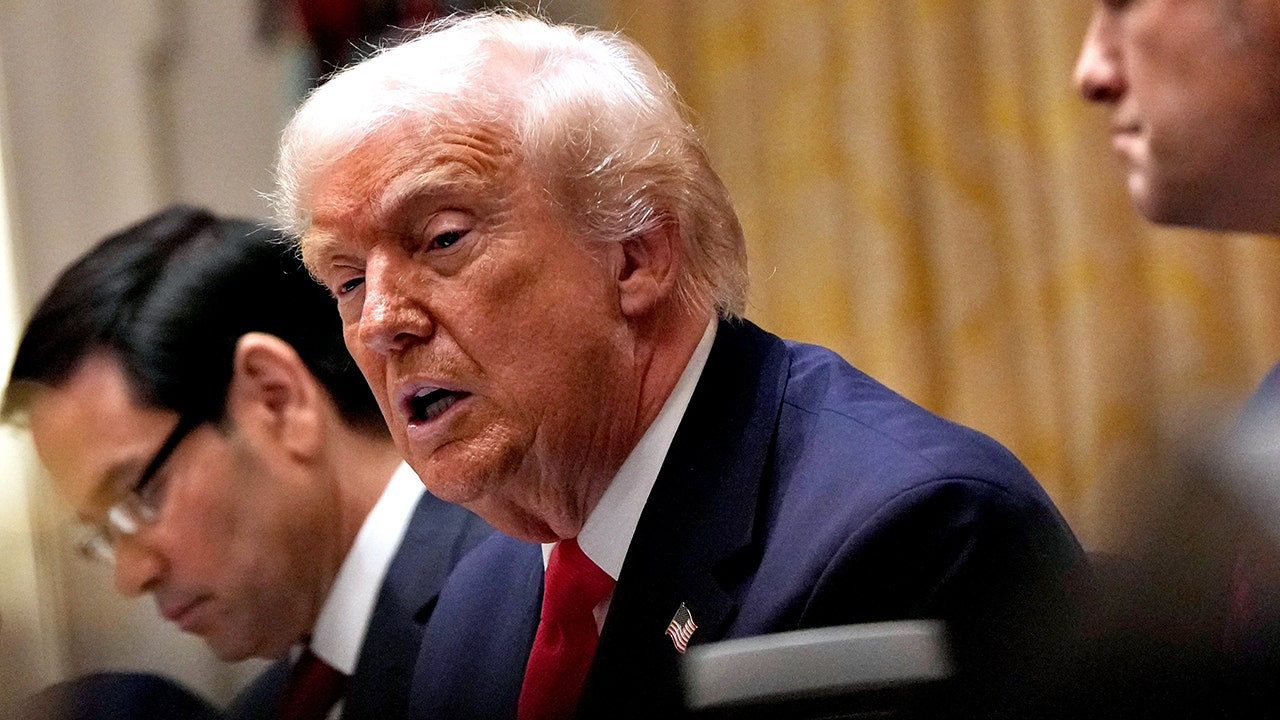
President Asif Ali Zardari didn't mince words. He pointed the finger directly at "sanctuaries in Afghanistan under the Taliban administration." It’s a bold stance, but one backed by a surge in militant activity since the Taliban took Kabul in 2021. You'd think a shared history would lead to cooperation, but the reality is a messy, violent stalemate. Pakistan's Foreign Ministry even hinted they "reserve the right to respond decisively." That’s diplomatic speak for: "We might just cross the border ourselves."
Why the China Factor Isn't Working
Back in April, China tried to play peacemaker. They hosted talks between Islamabad and Kabul, hoping to stabilize the region for their own economic interests. It didn't stick. While the intensity of border skirmishes dropped for a few weeks, the underlying rot remains.
- Porous Borders: The mountainous terrain makes it nearly impossible to stop movement.
- Ideological Ties: The Afghan Taliban and TTP are distinct but deeply allied.
- Broken Trust: Islamabad feels betrayed by the very group they helped for decades.
If you're watching this from the outside, it looks like a localized spat. It isn't. This instability threatens the entire region's security. When police officers in a major district like Bannu aren't safe in their own barracks, the social contract is in tatters. The search for survivors in the rubble lasted hours, with heavy machinery pulling bodies from the debris of what used to be a secure outpost.
What Needs to Change Right Now
Empty protests and summoned diplomats won't stop the next truck bomb. If Pakistan wants to secure its northwest, the focus has to shift from reactive diplomacy to proactive border management and internal intelligence.
- Stop Relying on Kabul: The Afghan Taliban has shown no real appetite for reining in the TTP. Expecting them to change now is a fantasy.
- Hard-Line Border Security: It’s time to move past the "brotherly nation" narrative and treat the western border with the same scrutiny as the eastern one.
- Local Intelligence Networks: The TTP splinter groups live among the population. Success depends on winning back the trust of local communities who feel caught between militants and the military.
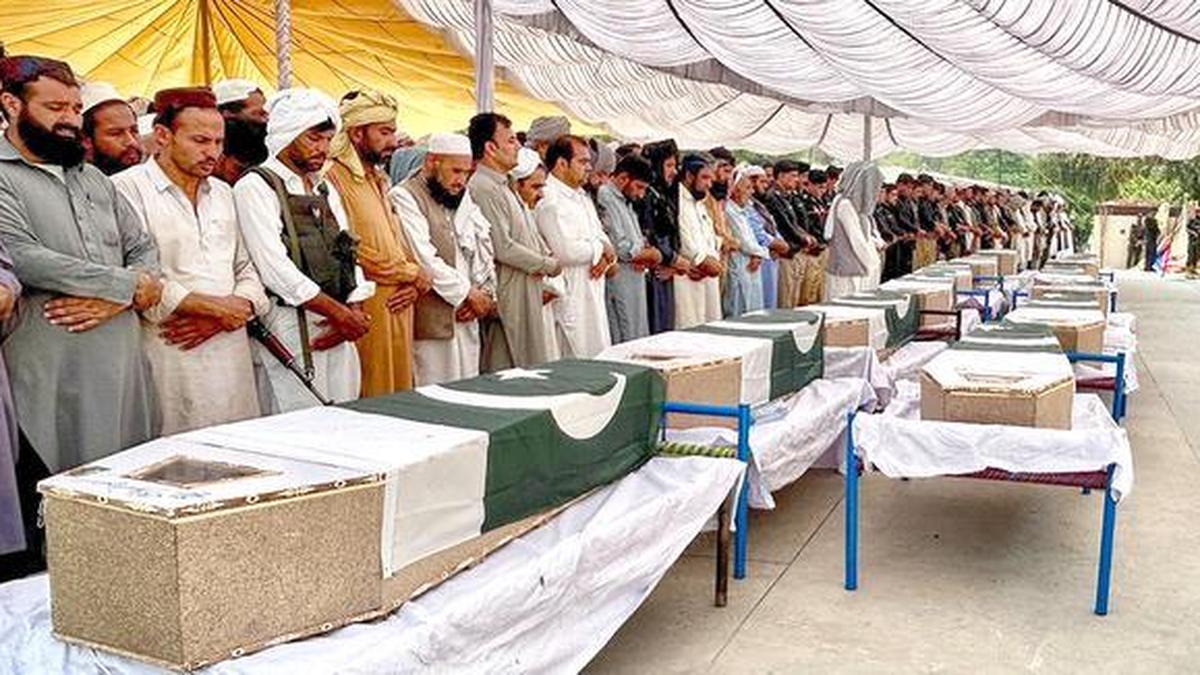
The funeral prayers in Bannu on Sunday were a grim reminder of the cost of failure. Coffins draped in the national flag were carried past grieving families as a Muslim cleric led prayers under heavy guard. It’s a scene that’s become far too common. Unless there's a fundamental shift in how Islamabad handles its neighbor to the west, we'll be reading this same story next month. The time for "strong protests" has passed; the time for a coherent strategy is long overdue.