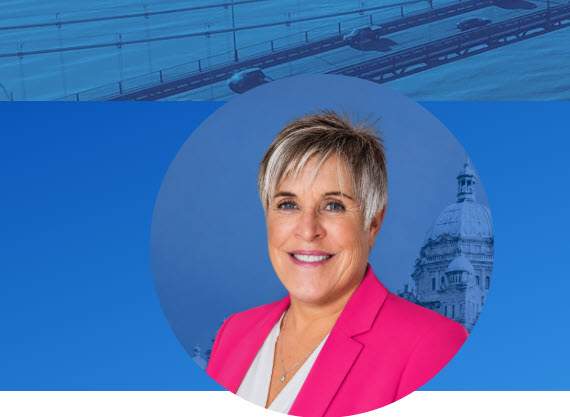
Political parties rarely implode quietly. When the BC Conservative Party recently watched Rosalyn Bird walk out the door, she became the third MLA to ditch the caucus in less than two weeks.
If you have been following provincial politics in British Columbia, you know this isn't just standard political theater. It is a full-blown identity crisis. Under new leader Kerry-Lynne Findlay, the party is shedding moderate voices faster than a shedding dog in summer.
Let's look at what is actually happening behind the headlines.
The Exodus Nobody Saw Coming So Fast
Let's trace the timeline. Peter Milobar kicked things off by jumping ship, citing a stark lack of ideological alignment. Then Ian Paton packed up his things, declaring that the party's new direction no longer fit his beliefs. Right on their heels, Rosalyn Bird stepped away to sit as an independent, pointing directly to exhausting political infighting and division.
Three MLAs gone in a fortnight. That leaves the once-surging conservative movement significantly weakened in the legislature.
Why are they leaving? It comes down to a fundamental tug-of-war over the soul of the party. Findlay has steered the organization toward a hard populist focus on "faith, freedom and family". For politicians who signed up thinking they were building a broad, pragmatic coalition centered on fiscal discipline and private enterprise, that shift feels like a bait-and-switch.
The By-Election Pressure Cooker
Leadership transitions are always messy, but Findlay's path has been uniquely bumpy. Because she won the leadership without holding a current seat in the legislature, she needed a safe riding cleared for a byelection.
Word got out that several sitting MLAs were asked to step aside to make room for her. Paton openly balked at the request, refusing to hand over his spot. While Abbotsford-Mission MLA Reann Gasper eventually agreed to step down, the arm-twisting left deep bruises within the caucus.
When you pressure seasoned politicians to surrender their hard-earned seats for a leader they didn't necessarily back, you shouldn't be shocked when they hand you their resignation letters instead.
What Happens to the Right-of-Centre Vote Now
The million-dollar question isn't why these politicians left. It is what they plan to do next.
Paton and Milobar aren't just sitting quietly on the backbenches. They are actively laying the groundwork to build a brand new centrist party. They are aiming straight for the "politically homeless" voters who feel alienated by Findlay's sharp ideological turn, but who wouldn't be caught dead voting for the NDP.
Of course, splitting the right-of-centre vote is a dangerous game in British Columbia. History shows that divided conservative and centrist movements usually hand easy victories straight to the New Democrats. Milobar and Paton know the risk, but they are betting that voters are hungry for a moderate alternative that rejects name-calling and dramatic polarization.
Meanwhile, Findlay is standing her ground. She insists that those who leave simply lack a true vision for prosperity and reject the mandate given by party members. She is shuffling her shadow cabinet, locking ranks, and trying to project absolute confidence.
Keep an eye on how many more backbenchers decide they've had enough. If the trickle of departures turns into a steady stream, the political map of British Columbia is going to look entirely unrecognizable by the time the next election rolls around.