The alarm rings at 6:30 AM, slicing through the heavy, stagnant air of a Tuesday morning. You reach out, slap the plastic snooze button, and pull the covers up to your chin. But the sheets feel scratchy against your skin. They are thin at the seams, slightly grayed from three years of frantic wash cycles, and entirely devoid of any comfort. They are just fabric. They are a utility, no different from the drywall or the carpet.
We spend a third of our lives horizontal. We process grief, dream up business ideas, recover from grueling workouts, and hold whispered late-night conversations between the exact same threads. Yet, we treat our beds like afterthoughts. We buy our groceries with scrutiny, test our cars for smooth handling, and obsess over the ergonomics of our office chairs. Then we crash onto bargain-bin textiles that treat our skin like sandpaper.
Consider what happens when you finally change that equation.
Take Sarah, a graphic designer in Chicago who spent eighteen months working from a kitchen table that slowly mutated into her entire world. Her routine was a blur of blue light and caffeine, ending each night in a bed made of cheap polyester blends that trapped heat like a greenhouse. By autumn, she was waking up with a persistent tightness in her shoulders, bone-tired before her feet even hit the floor. She thought it was burnout. She thought she just needed more vitamins, or a better meditation app, or a stricter bedtime routine.
It was the bedding.
When she finally swapped her synthetic sheets for heavy, breathable sateen, the shift was almost jarring. The weight of the fabric mattered. The cool, buttery glide of long-staple cotton against her tired limbs acted as a physical anchor. It signaled to her nervous system that the day was actually over. Sleep stopped being a reluctant surrender and became a sanctuary.
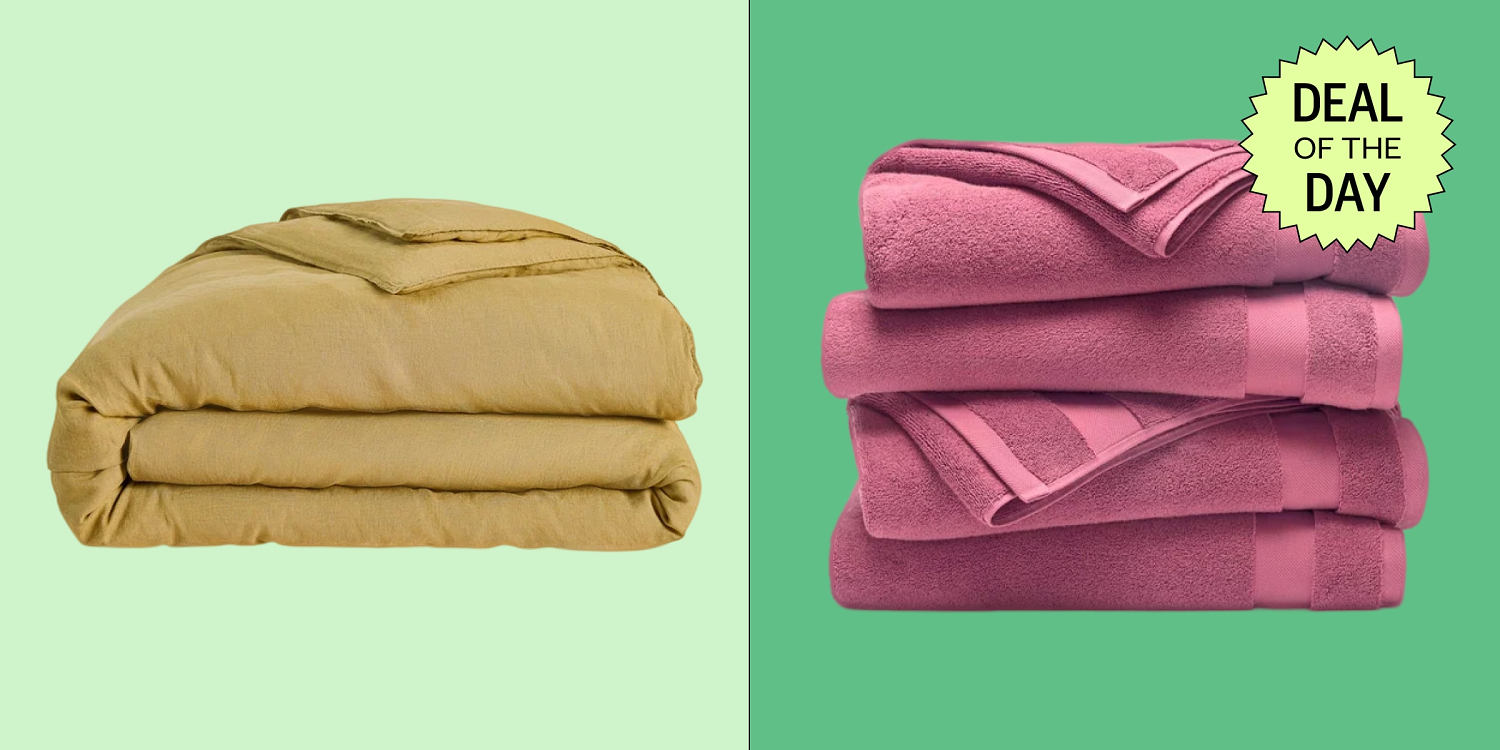
This brings us to a quiet corner of the retail calendar that most people walk right past. Brooklinen’s Last Call sale is currently running, slashing up to 75 percent off sateen sheets, weighted blankets, and assorted bedroom essentials.
Now, pause. Hear the skepticism in your own head. Another sale. Another corporate machinery shouting for your attention, manufacturing artificial urgency to clear out warehouse space. We have been trained to roll our eyes at discount percentages flashing in red type. We know the game. Retailers mark things up just to mark them down.
Except this inventory clearance is different in kind, if not in name.
When a brand known for obsessive material sourcing clears out discontinued colors and seasonal weaves, it represents a rare convergence of luxury and accessibility. We are talking about genuine long-staple cotton woven into a four-over-one sateen structure—the kind of textile architecture that creates a luminous, subtle sheen and a drape that feels like liquid silk without the maintenance nightmares of actual silk. These are not cheap knockoffs manufactured to fall apart in the wash. They are foundational home goods priced down to clearance levels because the color palette is shifting to make room for next season's inventory.
To understand why this matters, you have to look at the anatomy of a good night's sleep through the lens of physics and biology. Your body drops its core temperature to initiate deep sleep. If your bedding traps ambient heat and sweat, your body fights a losing battle to cool down. You toss. You turn. You wake up with a mild dehydration headache.
Sateen, by its very weave, offers a dense yet breathable surface that stays cool to the touch while insulating just enough to prevent chills. It is the textile equivalent of a balanced ecosystem. And when you can acquire that level of comfort at a fraction of its original cost, the math shifts from an indulgence to a practical investment in your daily resilience.
Look at the blankets included in the markdown events. A heavy knit blanket is not just a stylistic accessory to drape across the foot of a bed for an Instagram photo. It is a tool for deep pressure stimulation. It mimics the sensation of being held, sending proprioceptive inputs to the brain that lower cortisol and spike serotonin. After a day of doom-scrolling through headlines about inflation, geopolitical instability, and corporate layoffs, slipping under a structured, heavy weight is an immediate physical antidote to modern anxiety.
We chronically underfund our peace. We will drop five dollars a day on artisanal coffee without blinking—totaling over eighteen hundred dollars a year—yet we hesitate to spend fifty dollars on the fabric that covers our bodies for eight hours every single night. We rationalize the discomfort. We tell ourselves we are tough, that we can sleep on anything.
We can. But why should we?
The clearance rack at a high-end linen purveyor is not a trap; it is an escape hatch. It is an invitation to upgrade the most intimate landscape of your life without paying the luxury tax. Sateen sheets, plush waffle robes, and structured blankets that usually command triple-digit price tags are suddenly sitting within reach of a modest budget.
Imagine sliding under those cool, heavy sheets tonight instead of the scratchy veterans of 2023. Imagine waking up tomorrow not because an alarm jarred you awake, but because your body completed its natural sleep cycle in an environment designed to support it.
The sale will end when the stock is gone. Sizes and colors are already vanishing as word spreads through quiet group chats and newsletters. But the real deadline isn't the retailer's inventory count. The real deadline is the next exhausting Tuesday when you hit snooze, stare at the ceiling, and wonder why you didn't fix this sooner.