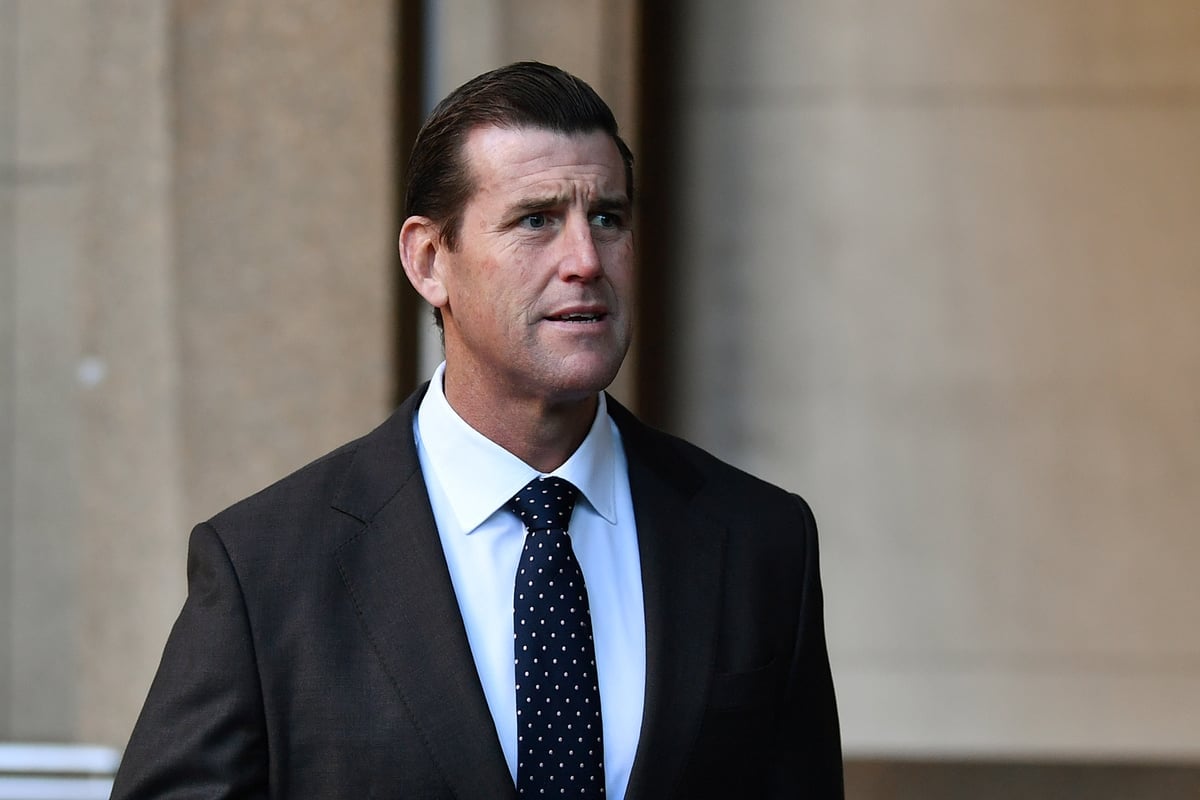
Ben Roberts-Smith is walking out of prison, at least for now. After ten days behind bars at Silverwater, Australia's most decorated living soldier just secured his freedom on a $250,000 surety. It's a massive moment in a case that's already dragging the country’s military reputation through the mud. While prosecutors fought tooth and nail to keep him locked up—citing a genuine risk that he’d flee the country—Judge Greg Grogin decided that "exceptional circumstances" warranted his release.
But don't let the technical jargon fool you. This isn't just about a guy getting out of a cell. It’s about the start of a legal marathon that will likely take years to reach a finish line. If you think the defamation trial was a circus, you haven't seen anything yet.
The high price of freedom in a war crimes case
The court didn't just hand over the keys and tell him to have a nice day. The conditions attached to this bail are about as tight as they get. Roberts-Smith has to report to a police station three times a week. He’s limited to a single phone and one computer, both of which the cops can monitor whenever they feel like it. No international travel. No contacting witnesses.
The prosecution’s biggest fear? That he was already planning to bolt. They revealed in court that he’d been making "advanced plans" to move overseas before his arrest at Sydney Airport on April 7. He hadn't told the authorities a thing about it. That's a huge red flag in any criminal case, let alone one involving five counts of war crime murder.
Judge Grogin basically told him that he’s under a microscope. He even used a bit of dark humor, warning Roberts-Smith that if he messes up, he’ll find himself "donned in green" again—a nod to the prison fatigues he was wearing during the video link.
Why the exceptional circumstances argument worked
Normally, when you're facing five counts of murder, getting bail is a steep hill to climb. So, how did his legal team pull it off? It comes down to two things: the complexity of the case and the sheer amount of time it’s going to take.
- National Security Red Tape: This isn't a standard murder trial. It involves classified military intel. Roberts-Smith’s lawyers argued that he can’t effectively build a defense while sitting in a remand center because he needs access to sensitive information that can’t be easily handled in jail.
- The Long Wait: We’re looking at years before a jury ever hears this evidence. Judge Grogin admitted that nobody can predict when this will actually go to trial. Forcing a man to sit in prison for three or four years before he's even found guilty is a tough sell in the Australian legal system.
The defense also leaned hard on the "presumption of innocence." Yes, he lost the defamation case in 2023, where a civil judge found it was "substantially true" that he committed four murders. But that was a civil court. The standard there is the "balance of probabilities." In this criminal trial, the prosecution has to prove it "beyond a reasonable doubt." That’s a much higher bar to clear.
What's actually at stake for the SAS
This case is the first real test of how Australia handles the fallout from the Brereton Report. That report found "credible information" that elite SAS troops unlawfully killed 39 Afghan prisoners and civilians. For a long time, these were just stories whispered in barracks or written about in newspapers. Now, they're criminal charges on a sheet of paper in a Sydney courtroom.
Roberts-Smith is accused of personally killing two people and ordering his subordinates to kill three others during his time in Uruzgan province between 2009 and 2012. He’s always maintained that he’s the victim of "spiteful" peers who were jealous of his Victoria Cross.
Honestly, the optics are messy. You have a man who was once the face of Australian heroism now fighting to stay out of a life sentence. It forces the public to grapple with a question we usually try to avoid: where does "doing the job" end and "committing a crime" begin?
Your next steps to follow this case
If you're trying to keep up with this, don't expect a quick resolution. This bail hearing is just the opening bell. Here’s what you should look for next:
- The Committal Hearing: This is where the prosecution has to show they actually have enough evidence to go to trial. Expect a lot of legal sparring over what classified documents can be used.
- The February 2027 Trial: Keep an eye on the case of the other SAS soldier already charged. That trial is set for early 2027 and will likely act as a blueprint for how the Roberts-Smith case proceeds.
- Surveillance Watch: Since Roberts-Smith is under strict monitoring, any breach of bail will be instant front-page news.
Stay skeptical of the headlines. This case is built on testimony from soldiers who were there, and memories from a decade ago are notoriously fickle. The prosecution has a mountain to climb to prove these charges to a criminal standard, and Roberts-Smith isn't going down without a massive, expensive fight.



