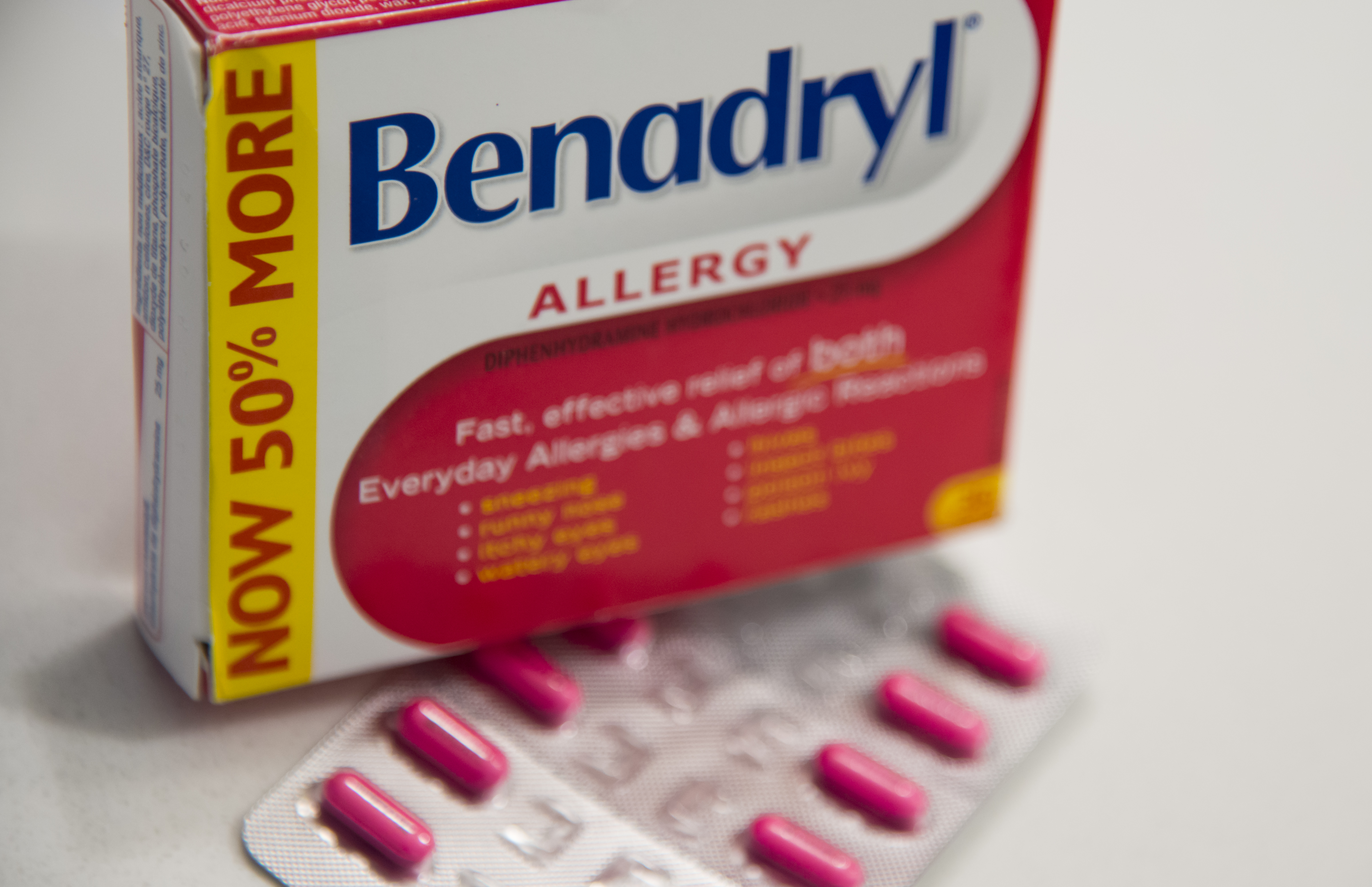
Quebec wants to hide Benadryl behind the pharmacy counter, and the collective health apparatus is nodding along in predictable, unthinking approval. Following the tragic 2023 death of a teenager linked to the "Benadryl Challenge" on TikTok, the knee-jerk reaction from regulators is exactly what we have come to expect: restrict the substance, blame the availability, and pretend the problem is solved.
It is a comforting lie. It is also an absolute failure of public health logic.
Locking up diphenhydramine (the active ingredient in Benadryl and countless generic sleep aids) is a classic example of treating a symptom while letting the disease rot the patient from within. We are witnessing a regulatory panic that mistakes access for intent. If Quebec proceeds with these tighter controls, it will not stop a single determined teenager from seeking a high or self-harming. It will, however, penalize millions of ordinary citizens dealing with acute allergic reactions who just need a cheap, effective antihistamine without interrogating a pharmacist.
We need to stop looking at the medicine cabinet and start looking at the structural failures driving youth distress and algorithmic amplification.
The Substitution Fallacy: Why Bans Fail Chemistry 101
Public health officials love a good restriction because it looks like administrative action. It creates a paper trail of "safety." But anyone who has spent an hour looking at toxicology reports or working on the front lines of emergency medicine knows the fundamental truth of substance abuse: restriction without behavioral intervention yields substitution.
When you restrict access to Substance A, users do not suddenly find enlightenment and sobriety. They pivot to Substance B.
Imagine a scenario where diphenhydramine becomes completely inaccessible to minors without a prescription or an awkward parental interrogation. Will the online challenges vanish? No. The internet will simply find a new, potentially more lethal OTC alternative.
- Dextromethorphan (DXM): Already widely available in cough syrups, notoriously abused, and carries massive neurotoxic risks at high doses.
- Acetaminophen: Present in hundreds of multi-symptom cold products. Unlike Benadryl, where survival rates for overdoses are relatively high under medical supervision, an acetaminophen overdose quietly and permanently destroys the liver over a grueling several-day period.
- Household Inhalants: Easily obtained, wildly destructive, and entirely unregulatable.
By focusing the crosshairs on Benadryl, regulators are playing a dangerous game of whack-a-mole. Diphenhydramine is an anticholinergic drug. In massive doses, it blocks acetylcholine receptors, causing hallucinations, tachycardia, seizures, and cardiac arrhythmias. It is nasty. But narrowing down on this single molecule ignores the vast ocean of equally dangerous over-the-counter compounds sitting on the exact same shelves.
The High Cost of the Behind-the-Counter Penalty
Let's talk about the administrative friction this creates for the average person. I have watched health systems choke themselves with red tape for decades under the guise of harm reduction.
When you move a drug behind the counter, you create a logistical bottleneck.
| Impacted Group | Theoretical Benefit | Practical Reality |
|---|---|---|
| At-Risk Youth | Denied easy access to a specific deliriant. | Switches to a different, unregulated household chemical or alternative OTC drug. |
| Allergy Sufferers | None. | Must wait in understaffed pharmacy lines during acute allergic flare-ups; faces higher costs. |
| Healthcare Staff | None. | Pharmacists spend valuable clinical time acting as security guards for basic antihistamines. |
When a patient experiences an acute hives outbreak or an unexpected mild allergic reaction to a food item, time is a factor. Forcing that individual to stand in a 20-minute pharmacy queue to ask permission to buy a 70-year-old drug is not just inconvenient; it is bad medicine.
Furthermore, diphenhydramine is one of the cheapest systemic antihistamines on the market. Pushing it behind the counter often alters store inventory practices, driving consumers toward newer, brand-name generation-two antihistamines like cetirizine or loratadine. While these are excellent for chronic seasonal allergies because they do not cross the blood-brain barrier effectively (meaning they don't cause drowsiness), they can cost three to four times as much per dose. For low-income families, this regulatory shift amounts to a regressive tax on basic healthcare.
The Real Culprit Is the Algorithm, Not the Allergy Pill
The Quebec proposal directly cites the 2023 death of a teenager. It was a tragedy. But let's be entirely honest about what killed that child: it wasn't the presence of a box of Benadryl in the house. It was a predatory algorithmic loop designed to maximize engagement by feeding reckless validation loops to under-developed frontal lobes.
The "Benadryl Challenge" didn't originate in the aisles of Jean Coutu or Shoppers Drug Mart. It originated on social media platforms that profit directly from viral, high-risk trends.
Blaming Benadryl for a social media overdose is like blaming Ford for a getaway car.
If we want to protect teenagers, we need to dismantle the mechanics of digital contagion. The toxicological reality is that teenagers have been experimenting with OTC medications since the dawn of the modern pharmacy. What changed is the speed and scale of replication. A trend that used to stay confined to a single high school locker room can now reach five million kids across North America in forty-eight hours.
By passing laws to restrict the drug, governments give social media corporations a free pass. TikTok gets to issue a toothless press release about community guidelines, while the government pathetically congratulates itself for making allergy medicine harder to buy. The digital machine keeps spinning, looking for the next mundane household item to gamify for clicks.
What We Should Be Doing Instead
If we want to actually mitigate the risk of over-the-counter drug abuse among minors, we have to abandon the lazy consensus of prohibition. It does not work. It has never worked.
Instead, we need an aggressive, realistic framework that targets behavior and clinical realities.
1. Mandate Clear, Graphic Packaging Warnings
The current warnings on OTC drugs are buried in microscopic font under "Drug Facts." They say things like "Exceeding the recommended dose may cause drowsiness." That is weak, clinical, and entirely unthreatening to a teenager looking for an altered state.
We should require bold, unmistakable warnings on the front of the box for medications with known high-abuse deliriant profiles. If a box explicitly states: "OVERDOSE CAUSES SEVERE PSYCHOSIS, SEIZURES, AND PERMANENT HEART DAMAGE," the romanticized allure of the internet challenge loses its luster.
2. Reform Algorithmic Liability Laws
The legal shield protecting platforms from the content they host needs to be aggressively re-evaluated when it comes to lethal physical challenges. If a platform's recommendation engine actively pushes a known dangerous challenge into a minor’s feed, that platform should face severe, existential financial penalties. Treat the algorithm as a product defect.
3. Focus on Mental Health Infrastructure, Not Cabinet Locks
Teenagers do not ingest twenty times the recommended dose of an allergy medication because they are curious about antihistamines. They do it because they are desperate, bored, suffering, or seeking extreme escapism. Until we address the foundational mental health crisis affecting youth, locking up the Benadryl just means they will find something else to break.
The downsides to this contrarian view are obvious: it requires systemic change. It requires fighting multi-billion-dollar tech cartels instead of passing a quick, popular piece of provincial legislation that looks good on evening news broadcasts. It forces us to admit that we cannot bubble-wrap the world to compensate for a lack of parenting and social cohesion.
But continuing down the current path is pure theater.
Let Quebec restrict the drug. Watch the pharmacy lines grow. Watch the costs rise. And then watch the next tragic headline appear next year when a teenager overdoses on something else entirely because we refused to address the actual engine of the crisis.
Stop trying to fix the pharmacy shelves. Fix the culture that makes a lethal dose of allergy medicine look like entertainment.