Gas prices at the pump are hurting everyday Americans, and Donald Trump is pointing his finger directly at the energy giants raking in massive cash. When Chevron and ExxonMobil posted staggering second-quarter profits totaling over 26 billion dollars, the reaction from the White House wasn't celebration. It was fury.
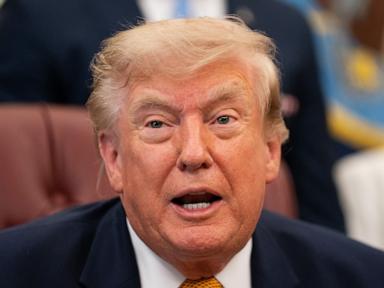
Trump didn't hold back in the Oval Office, stating bluntly that these corporations are making too much money off a manufactured shortage. For a self-proclaimed champion of free enterprise, calling out the oil sector like this signals a massive shift in tone as midterms approach.
The Numbers Behind the Outrage
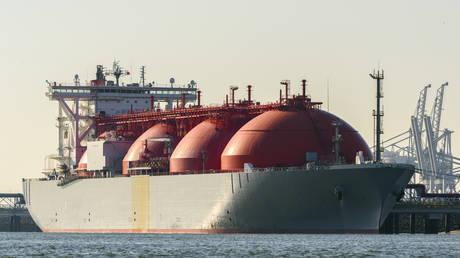
Let's look at the actual financials. The conflict with Iran fundamentally choked off vital shipping lanes like the Strait of Hormuz, throwing global energy markets into absolute chaos. Refineries scaled up operations to maximum capacity, and supply chains fractured.
The result? Balance sheets exploded.
- Chevron reported a record-breaking net income of 12.2 billion dollars, marking an immense spike compared to previous cycles.
- ExxonMobil brought in roughly 14.5 billion dollars, doubling its earnings from the prior year.
- Global competitors like BP and Shell also saw profits double as the energy shock rippled across continents.
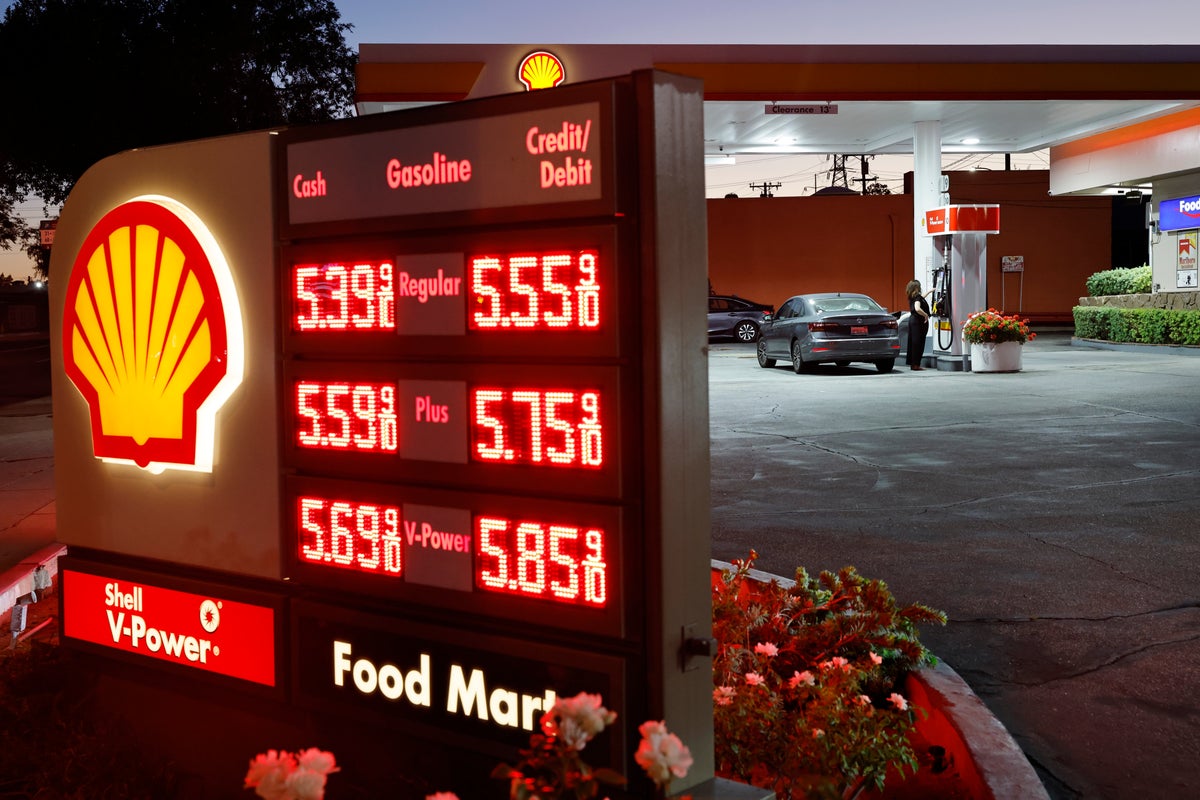
Drivers are paying over four dollars a gallon on average nationwide. Voters are angry, poll numbers show mounting frustration over cost-of-living pressures, and politicians are scrambling for scapegoats.
Why Trump Is Breaking Character
You wouldn't normally expect a conservative administration to blast corporate windfall profits. Trump even admitted he should technically be the last person to complain given his pro-business stance.
Yet political survival overrides standard ideology. With the midterms looming under a hundred days away, the White House needs relief at the pump immediately. Trump publicly demanded that executives hand some of that cash back to the public by slashing consumer prices at retail stations.
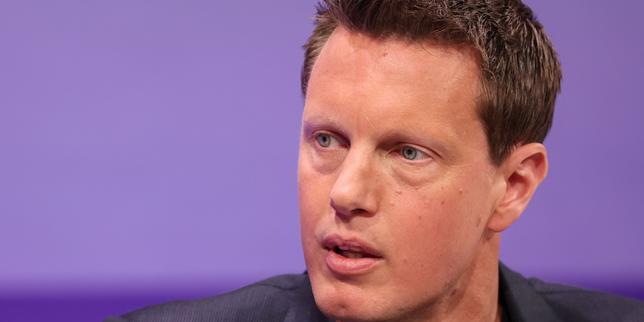
He even took direct shots at Chevron CEO Mike Wirth on social media, complaining that leadership failed to give his administration proper credit for oil production gains while pocketing a fortune.
Can the White House Actually Force Lower Prices?
Here is where political rhetoric hits economic reality. Oil executives argue they produce a global commodity dictated entirely by worldwide supply and demand, not local whims. Refineries are running hot, and logistics costs remain punishingly high.
Furthermore, retail gasoline prices are largely set by independent station owners rather than the major upstream producers. Threatening Department of Justice investigations into price gouging creates headlines, but it rarely translates into instant relief at your local corner station.
If diplomatic talks manage to secure a lasting breakthrough and reopen blocked shipping channels, expect market forces to drop crude values naturally. Until then, expect a lot more public sparring between angry politicians and oil executives who refuse to apologize for record-breaking ledgers.
Watch the retail trends closely over the coming weeks. If pump prices stubbornly stay high, political pressure on energy boardrooms will only intensify.
Trump Slams Chevron, Exxon For Making “Too Much Money” Amid Iran Tensions
This video provides direct footage of President Trump in the Oval Office criticizing major oil companies for their excessive profits during the ongoing conflict with Iran.
http://googleusercontent.com/youtube_content/1