The morning air in the industrial district smelled of damp cardboard and stale grease. To anyone passing the low-slung warehouse, it was just another anonymous box on the edge of a bustling port city, a place where pallets shifted and shipping containers groaned under the weight of ordinary commerce. But inside, behind a set of heavy metal doors secured by rusted padlocks, a quiet alchemy was taking place.
It looked like tea.
Vacuum-sealed pouches stamped with familiar branding, promising the comforting aroma of loose-leaf infusions, sat neatly stacked in corrugated cardboard boxes. Millions of people drink it every single day. It warms throats on rainy afternoons and anchors quiet conversations across dining tables. But as the plainclothes officers moved in, weapons drawn and boots crunching against the gritty concrete floor, the illusion shattered.
No one was brewing tea here.
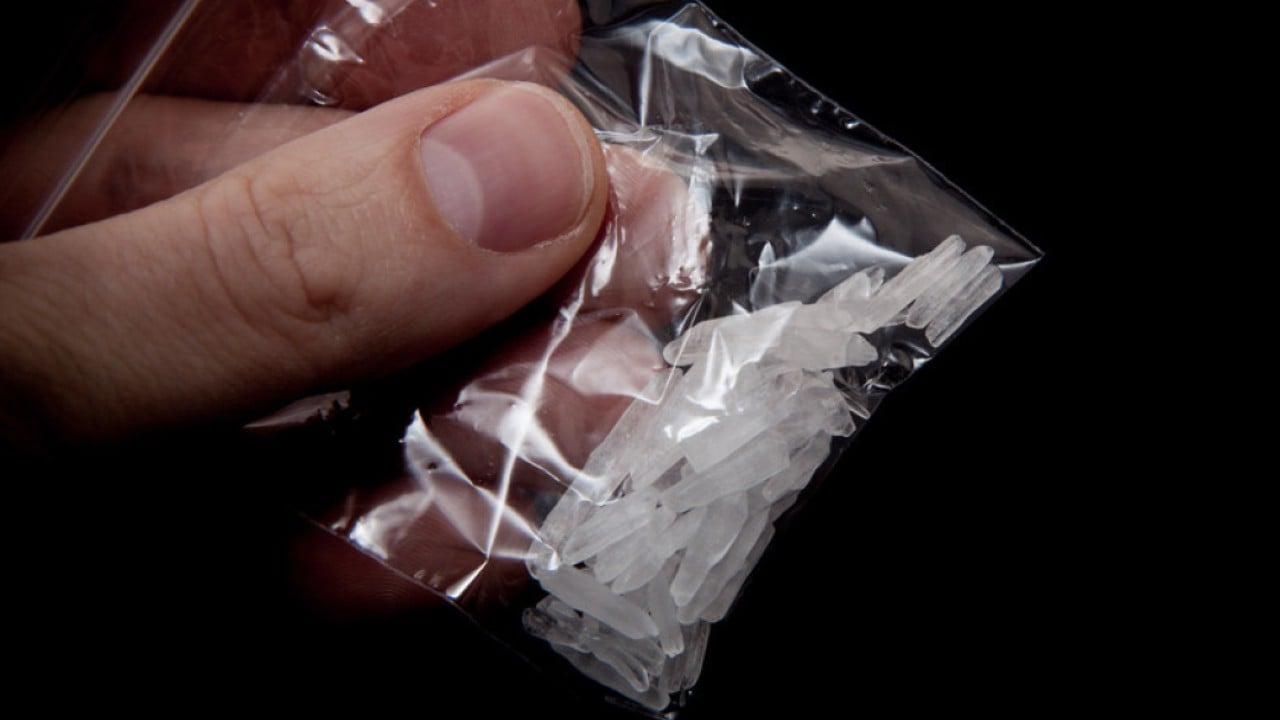
When the first green packet was slit open with a tactical knife, it didn't release the earthy scent of fermented leaves. It spilled a powdery, crystalline cascade. Pure methamphetamine. Synthetic poison, meticulously dressed up in the innocent guise of a daily household staple.
Let us step inside the mind of the operation for a moment. Picture a man we will call Wei, a hypothetical courier sitting in a dimly lit noodle shop three miles away, watching his phone screen. He isn't a criminal mastermind in a sleek glass tower. He is someone who made a series of desperate calculations after a business failed, a man whose hands shake slightly as he lifts a porcelain spoon. He was told this cargo was harmless. He told himself it was just paper-pushing, just logistics, just another way to survive in an economy that offers precious few second chances.
He is wrong, of course.
The syndicate behind Wei didn't care about his justifications. They cared about supply chains, profit margins, and porous borders. The transnational drug trade has evolved into a cold, hyper-efficient corporate entity. It relies on the normalization of the extraordinary. If you can hide contraband in frozen fish, machine parts, or luxury furniture, why not the afternoon beverage?
The scale of what the Malaysian police dismantled in this specific raid defies casual imagination. We are talking about roughly one million US dollars worth of chemical ruin, neatly portioned and primed for distribution across international boundaries. One million dollars. In the language of headlines, it is a statistic. A line item in a quarterly law enforcement report.
Strip away the numbers. Look at the reality.
That million dollars represents thousands of individual moments of destruction. It represents shattered sleep, hollowed-out bank accounts, fractured families, and emergency rooms operating at a desperate deficit. It represents young lives unraveling in cramped apartments where the curtains are always drawn. The supply chain that moves a million dollars of crystal meth from a clandestine jungle laboratory to a neat little packet stamped with a tea leaf logo is a machine designed to harvest human misery.
How did it get this far?
Cross-border trafficking is a game of shadows and geography. Southeast Asia has long wrestled with the golden triangle dynamics, where remote terrain and complex jurisdictional boundaries create a smuggler's paradise. But the modern trade doesn't rely solely on rugged mountain passes or midnight boat landings. It relies on the sheer volume of global trade. Millions of shipping containers move across oceans every day. Customs officials are asked to find needles in planetary haystacks.
Smugglers know this. They exploit the fatigue of the system. They count on the sheer statistical impossibility of inspecting every single crate, every single box, every single bag of imported goods. They use sophisticated vacuum-sealing techniques to bypass canine units and X-ray machines, betting that human error and bureaucratic lag will grant them safe passage.
For months, investigators tracked the whispers. Financial trails that didn't add up. Communications routed through encrypted channels. A subtle uptick in local distribution patterns that tipped off narcotics division analysts. It is a slow, unglamorous grind. Police work rarely resembles the cinematic car chases splashed across streaming platforms. It is mostly cold coffee, blurred security footage, endless surveillance logs, and the agonizing wait for a single slip-up.
That slip-up came on a Tuesday.
When the raid went down, the silence of the warehouse was violently broken. Shouts echoed off the corrugated metal walls. The suspects, caught mid-operation, barely had time to react before the zip-ties were locked around their wrists.
The seizure was heralded as a major victory. And it was. One million dollars off the streets means countless interventions that will never have to happen, emergency calls that will never be placed, funerals that will never be attended.
Yet, as the evidence was tagged, cataloged, and hauled away into the back of armored transport vehicles, a sobering reality hung in the humid air.
The warehouse was empty. But the supply chains are not.
Somewhere across a border, in another unmarked facility, another batch of chemical precursors is being mixed in industrial vats. Another label is being printed. Another desperate courier is waiting for a phone call, convincing himself that this time, nobody gets hurt.
The war against transnational narcotics is not a battle that ends with a single dramatic raid or a million-dollar seizure. It is an enduring tug-of-war between the forces of exploitation and the quiet, stubborn resilience of those who refuse to let the darkness win by default. It lives in the vigilance of a customs inspector refusing to wave through a suspicious manifest, in the courage of an informant breaking a code of silence, and in the stark, unvarnished truth about what really happens when poison is dressed up as comfort.
The empty warehouse door is locked now. The police tape flutters in the afternoon wind, a bright yellow stripe against the grey concrete. Inside, the dust settles over the floor where the tea packets used to lie. Outside, the world keeps moving, loud and indifferent, entirely unaware of how close it came to drinking the bitter cup.