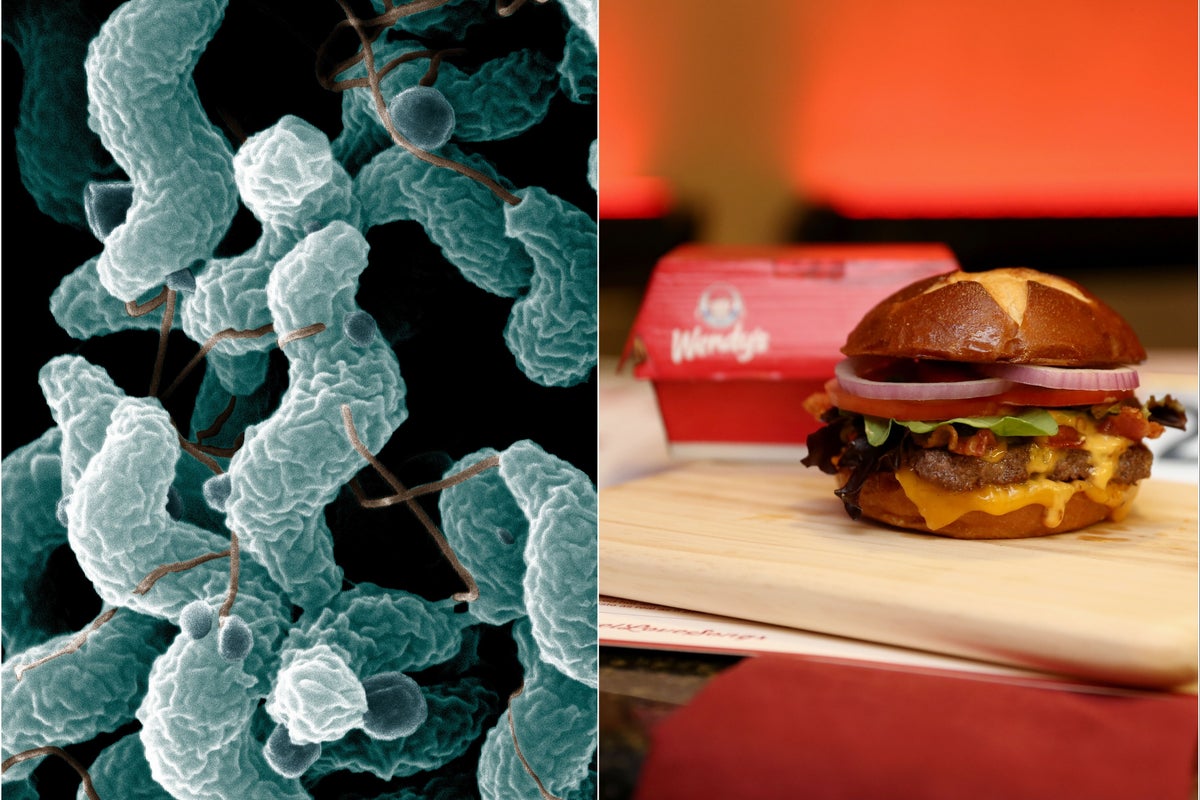
Another headline breaks about a customer hospitalized after eating a contaminated fast-food burger, and the internet immediately reaches for the pitchforks. The standard narrative writes itself. Corporate negligence, poisoned supply chains, and helpless consumers struck down by rogue corporations. Legal filings roll in demanding hundreds of thousands of dollars for pain, suffering, and medical bills.
It makes for clean, emotionally satisfying copy. It is also fundamentally lazy.
Focusing solely on the restaurant brand when a foodborne illness strikes creates a blind spot. It assumes that commercial kitchens operate in a vacuum and that raw agricultural products can be rendered sterile by corporate policy alone. The reality of mass-scale food distribution and pathogen biology is vastly more inconvenient.
The Anatomy Of Accountability In Commercial Kitchens
Let us look at the mechanics. When a customer contracts an infection like Campylobacter or E. coli after consuming a meal, the immediate target is invariably the franchise that handed over the bag. Plaintiffs point to breach of warranty and negligence.
I have watched companies burn millions on crisis management PR, changing operational guidelines, and revamping supplier contracts in response to these shocks. They treat the symptom while the structural vector remains untouched.
The lazy consensus claims that stricter internal corporate oversight stops food poisoning. That logic falls apart under basic epidemiological scrutiny. Commercial restaurants do not culture pathogens; they process raw agricultural commodities sourced from massive, interconnected agricultural networks. When a bag of lettuce or a cut of beef arrives at a loading dock, it carries the environmental history of the farm, the transport vehicle, and the packing facility.
Imagine a scenario where a restaurant implements zero-tolerance hygiene checklists, yet a pathogen hitches a ride inside the cellular structure of a pre-washed leaf or a vacuum-packed protein. No amount of standard kitchen sanitization neutralizes internal biological contamination without ruining the product.
The Delivery Paradox
Modern convenience introduces a second variable that lawsuits routinely gloss over: third-party delivery.
When food leaves a restaurant in a sealed tamper-evident bag with a courier, the chain loses custody. Temperature abuse during transit is a primary incubator for bacterial replication. A meal sitting in the back of an unrefrigerated sedan for forty minutes in August traffic crosses straight into the danger zone where bacterial populations double every twenty minutes.
Yet, legal complaints focus heavily on the kitchen of origin while ignoring the transit chain. Pinning 100 percent of the liability on the restaurant brand ignores the complex modern logistics web that separates the grill from the dining room table.
Why The Legal Strategy Is Flawed
Suing a fast-food titan provides a high-profile target with deep pockets, but it rarely fixes the systemic vulnerabilities of the food supply. It encourages a ritual of defensive corporate statements and settlement payouts rather than structural agricultural reform.
If we want to stop foodborne hospitalizations, we have to look further upstream. The contamination vector starts long before a burger hits a wrapper. It starts at the water tables used for irrigation, the proximity of livestock operations to produce fields, and the blind spots in cold-chain logistics.
Stop pretending that a corporate logo dictates microbial safety. The next time a food safety headline drops, look past the brand name and examine the fragile, sprawling agricultural ecosystem underneath.
The kitchen is just the final stop on a very long, very dirty road.