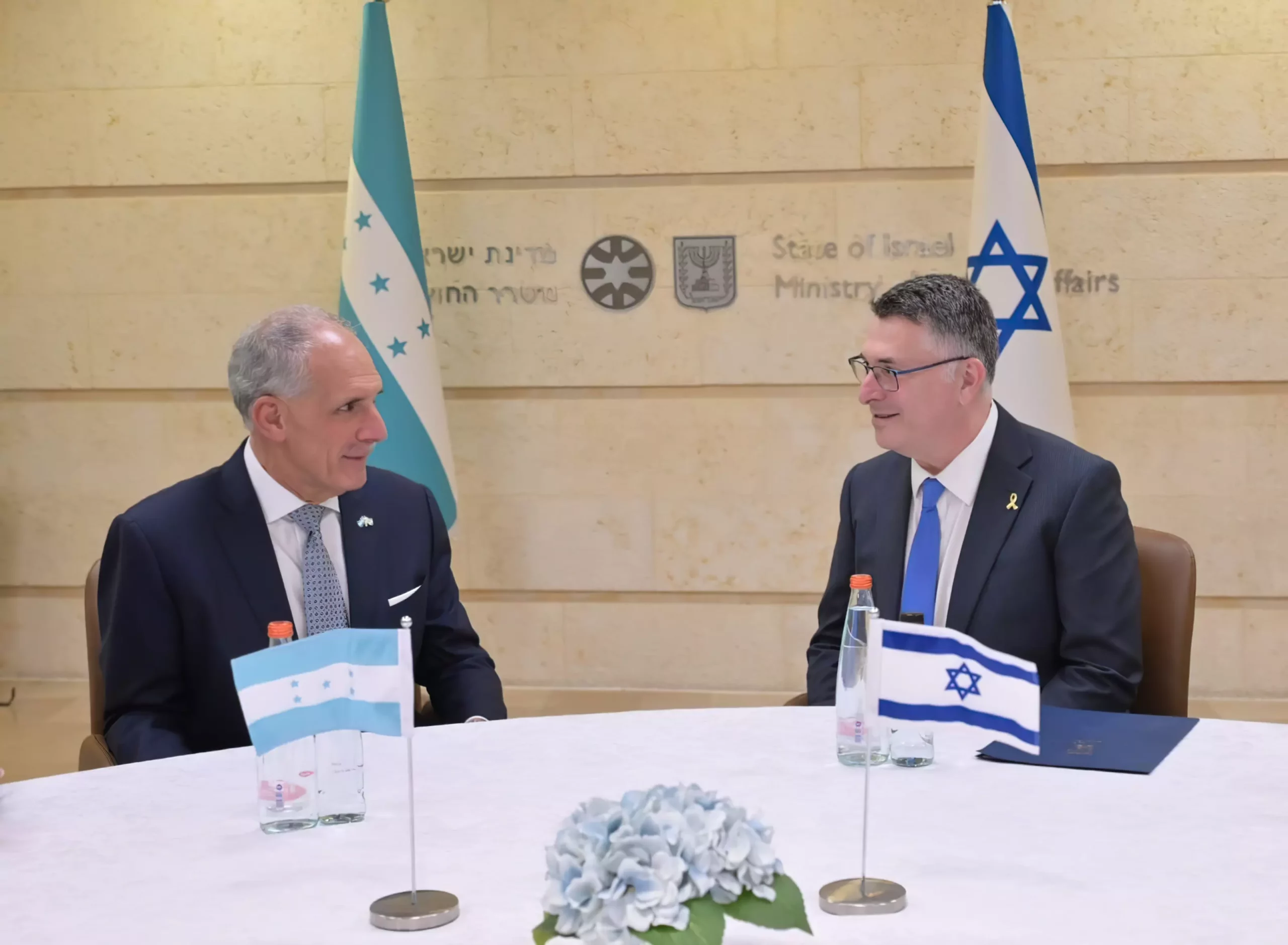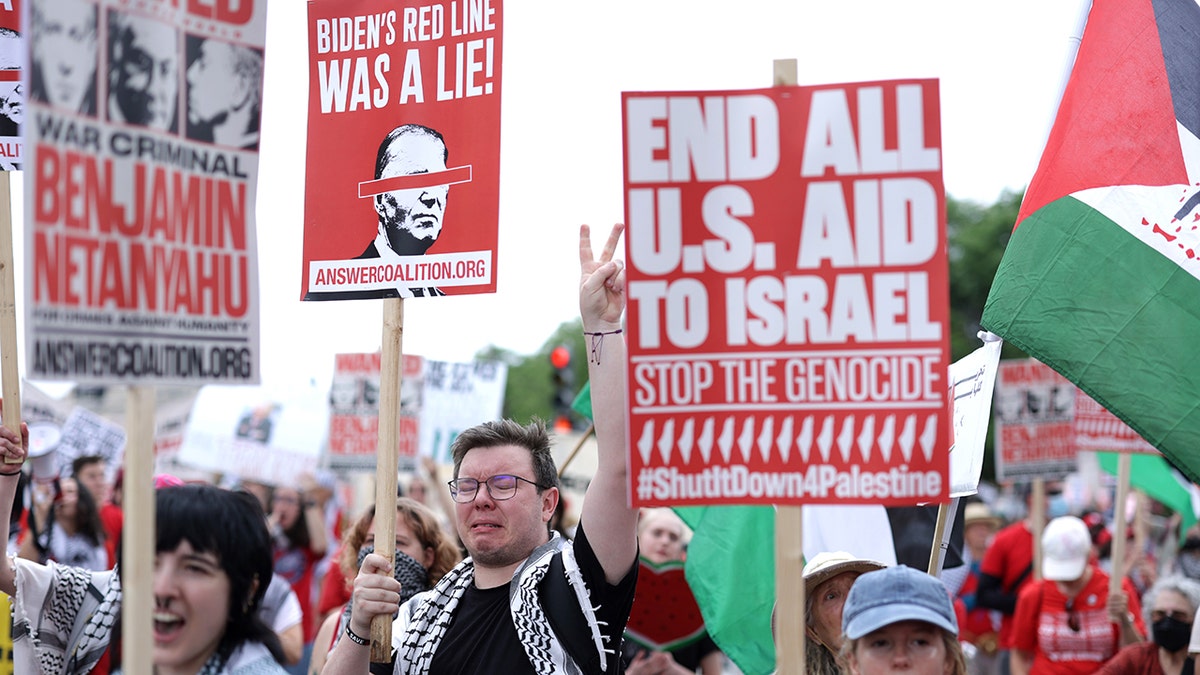
Eight nations gathered to wag their fingers. The Times of India ran the predictable wire copy. Israel rejected the American roadmap, the headlines shrieked, and international diplomats clutched their pearls over the defiance. The lazy consensus writes itself: Jerusalem is the sole obstacle to regional harmony, standing stubbornly in the path of an enlightened Washington-backed blueprint.
Everyone loves a morality play with clean binaries. It saves us from thinking.
I have spent years watching diplomats draft blueprints that ignore the structural mechanics on the ground, burning billions in political capital on dead documents. Let us strip away the diplomatic theater and look at the brutal mechanical reality. The eight-nation condemnation rests on a foundational delusion: that paper roadmaps can override acute security dilemmas in a theater where a miscalculation means immediate existential destruction.
The Flawed Architecture of External Roadmaps
Every time Washington or a coalition of foreign capitals drafts a peace framework, they commit the same category error. They treat conflict resolution as an administrative scheduling problem. They assume that if you draw enough lines on a map, establish enough interim committees, and apply enough rhetorical pressure, hostile actors will suddenly abandon zero-sum survival strategies because the UN passed a resolution.
Imagine a scenario where a homeowner is told to hand over the locks to their front door to an armed committee because eight neighbors signed a petition promising that the local intruder has changed his mind. You would call that homeowner insane for complying. Yet when a sovereign state refuses to outsource its perimeter defense to international good intentions, editorial boards call it an obstruction of peace.
The US roadmap assumes a baseline of mutual trust that does not exist, has never existed, and cannot be manufactured by foreign ministers issuing joint communiques from air-conditioned hotel ballrooms in Europe.
[Traditional Diplomatic Model]
Foreign Capitals Draft Blueprint -> Parties Agree on Paper -> Trust Materializes -> Peace

[Ground Reality]
Foreign Capitals Draft Blueprint -> Security Vacuum Explodes -> Strategic Paranoia Increases -> Status Quo Hardens
When you study the anatomy of this latest rejection, the eight condemning nations ignored the core operational constraint facing Israeli security planners. A roadmap that fails to guarantee absolute deterrence on day one is not a peace plan. It is a suicide pact with a pleasant table of contents.
Dismantling the Eight-Nation Moral Monopoly
Let us look at the coalition of the indignant. Eight nations signed off on the reprimand. Ask yourself what skin these specific capitals have in the game. None of them face inbound rockets on a Tuesday morning. None of them maintain a conscript army where the soldiers are the children of the cabinet ministers.
Diplomacy from a distance is cheap. It allows foreign ministries to project moral authority while bearing zero consequence for failure. If a foreign-imposed roadmap collapses into renewed violence six months down the line, the signatories do not bury the dead. They simply convene another summit to draft a post-mortem report blaming the stubbornness of the local actors.
This is the dirty secret of international mediation. The process is often maintained not to achieve a resolution, but to satisfy domestic political constituencies thousands of miles away and to maintain institutional funding for international bureaucracies.
When Israeli leadership looks at the US roadmap, they are not reading it through the lens of PR optics. They are running operational stress tests.
- Can this framework prevent subterranean tunnel construction?
- Does it rely on third-party monitors who historically fold the moment enforcement gets uncomfortable?
- Does it demand irreversible territorial concessions in exchange for reversible diplomatic promises?
On every single operational metric, the roadmap fails the stress test. Rejecting it is not an act of diplomatic petulance. It is an act of baseline self-preservation.
The Myth of the Israeli Veto
The common narrative portrays Israel as holding a monopoly on rejectionism, single-handedly tanking progressive regional integration. This is historical illiteracy.
Look at the structural dynamics of the region. The architects of the current crisis operate on an ideology explicitly dedicated to the dismantlement of the state across the border. No amount of diplomatic window dressing, multi-lateral summits, or phased confidence-building measures alters that foundational objective.
When a party's charter or operational doctrine defines your existence as illegitimate, asking you to sign a phased roadmap is like asking a tightrope walker to cross a canyon while negotiating the dimensions of the safety net with someone actively shaking the cable.
The Western fixation on roadmaps stems from a deep-seated cultural discomfort with permanent conflict. Western political culture believes every problem has a negotiated settlement if you just sit long enough at the mahogany table. But history is littered with conflicts that do not yield to compromise because the underlying objectives are mutually exclusive. In those environments, stability is not achieved through harmony. It is achieved through undisputed deterrence and stark imbalances of power that make aggression too costly to launch.
What the Pundits Get Wrong About Leverage
Critics argue that Israel relies on American patronage, and therefore must fall in line with American tactical preferences. This is a fundamental misunderstanding of sovereign security calculus.
Alliance dependency does not mean operational vassalage. When an existential threat looms, no government in Jerusalem can survive outsourcing its survival to an ally whose political winds shift every four to eight years. Administrations in Washington come and go, prioritizing midterms, domestic inflation, and distant geopolitical pivots. The state of Israel remains fixed in a neighborhood that does not forgive strategic mistakes.
To understand why the rejection happened, look past the polite language of diplomatic communiques. Look at the map. Look at the topography. Look at the proximity of hostile forces to civilian population centers. When those physical realities dictate that a single tactical misstep leads to catastrophe, international pressure becomes background noise.
The eight nations can condemn until they run out of ink. They can issue stern statements about rules-based orders and multilateral consensus. But security is not a poll-tested product. It is measured in blood, iron, and the unforgiving math of geography. Until the international community stops treating survival as a negotiation variable, every roadmap they draft will end up exactly where it belongs: in the shredder.