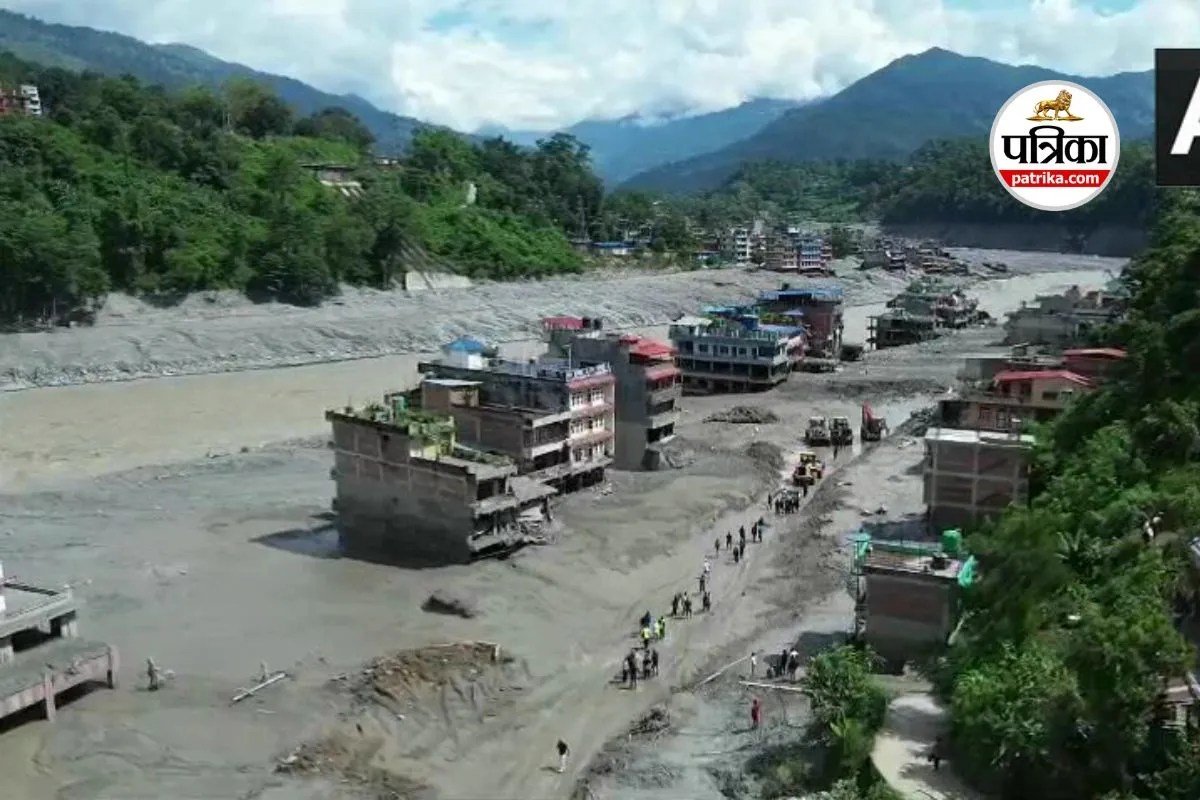
Every monsoon season, the media reaches for the exact same tired script. A disaster strikes Nepal, families are displaced, individuals cling to trees for hours, and the headlines scream about sudden wrath from the skies. Then comes the predictable chorus demanding better text-message warning systems and more evacuation tents. It is a lazy narrative designed to comfort bureaucrats while a nation washes away.
Stop pretending this is an unpredictable act of God. It is an entirely manufactured infrastructural failure.
When the standard narrative claims that heavy rain is the primary culprit behind catastrophic flooding in regions like Nepal, it completely absolves the people who turned natural watersheds into concrete death traps. Rain does not kill people; unchecked municipal greed, unscientific road building, and systemic planning incompetence kill people. Clinging to a tree for two hours is not a survival story born of resilience; it is a symptom of a failed state that refuses to build resilient drainage, enforce zoning laws, or stop treating riverbanks as real estate goldmines.
The Myth of the Early Warning System
Governments love early warning systems because they are cheap. Setting up text alerts and sirens costs a fraction of what it takes to engineer proper embankments, dredge choked riverbeds, or halt illegal sand mining along vulnerable water corridors.
An alert is useless if you have nowhere to run.
Imagine a scenario where every citizen in a flood-prone valley receives a text message forty-eight hours before a deluge. Wonderful. Now look at the geography. Where are they supposed to go when decades of unregulated urban sprawl have paved over natural floodplains, blocked drainage outlets, and pushed housing onto steep, unstable hillsides? You cannot text your way out of a geography that has been systematically compromised by political corruption and municipal negligence.
Early warning systems have become a modern public relations shield. They allow authorities to shift the burden of survival entirely onto the individual. If you die, it is because you did not read the text fast enough or ignored the siren, not because the government built a highway across a natural drainage path or allowed commercial stone crushers to destabilize the mountain slopes above your home.
The Economics of Disaster Tourism
Disaster management in South Asia operates on a perverse financial incentive structure. There is zero political upside in boring, preventative engineering. Nobody wins an election by quietly dredging a river basin or enforcing strict zoning codes that anger wealthy land developers.
Instead, politicians thrive on the aftermath. They swoop in with relief packages, hand out sacks of rice for the cameras, and pledge millions in emergency reconstruction funds. It is disaster theater.
I have watched local municipal bodies blow millions of dollars on reactionary relief efforts while ignoring basic hydrology reports that sat gathering dust in office drawers for a decade. The money is in the crisis, not the prevention. As long as floods are treated as unpredictable natural anomalies rather than predictable administrative failures, the cycle will repeat. Every monsoon will bring the same weeping survivors, the same heroic trees, and the exact same political hand-wringing.
Why Unplanned Roads Are Weapons of Mass Destruction
The single biggest driver of rural and semi-urban flooding in Nepal is not just rain; it is the catastrophic mismanagement of rural road expansion. Over the past twenty years, local political bodies have gone rogue with bulldozers, cutting roads into fragile mountain terrain without a shred of geological or hydrological surveying.
These unpaved, unengineered rural roads act as artificial funnels. When the monsoon hits, these roads collect massive volumes of rainwater, turning them into high-speed torrents that discharge directly onto vulnerable settlements below. They trigger localized landslides that choke streams, which in turn create temporary natural dams that eventually burst, sending walls of water crashing down valleys.
When you read about a sudden flash flood sweeping away a village in the middle of the night, look up the hill. Nine times out of ten, you will find a botched, unengineered rural road project that redirected millions of gallons of water straight into someone's backyard. Yet the media reports it as an unprecedented weather event. It is not unprecedented. It is basic physics meeting absolute incompetence.
The Real Cost of Complacency
Accepting the weather narrative ensures that nothing changes. It allows corrupt local contractors to keep cutting corners, municipal planners to keep approving illegal construction on wetlands, and federal leaders to keep treating human lives as seasonal collateral damage.
We must stop romanticizing survival stories of people clinging to trees. That individual should never have been in the tree in the first place.
Ditch the comfort of the natural disaster excuse. Hold the engineers accountable, jail the illegal sand miners, rip up the unengineered mountain roads that act as drainage chutes, and start treating urban planning as a matter of national security. Until we stop blaming the clouds, more families will wash away while the architects of the catastrophe sit safely in concrete offices, drafting their next round of empty press releases.


