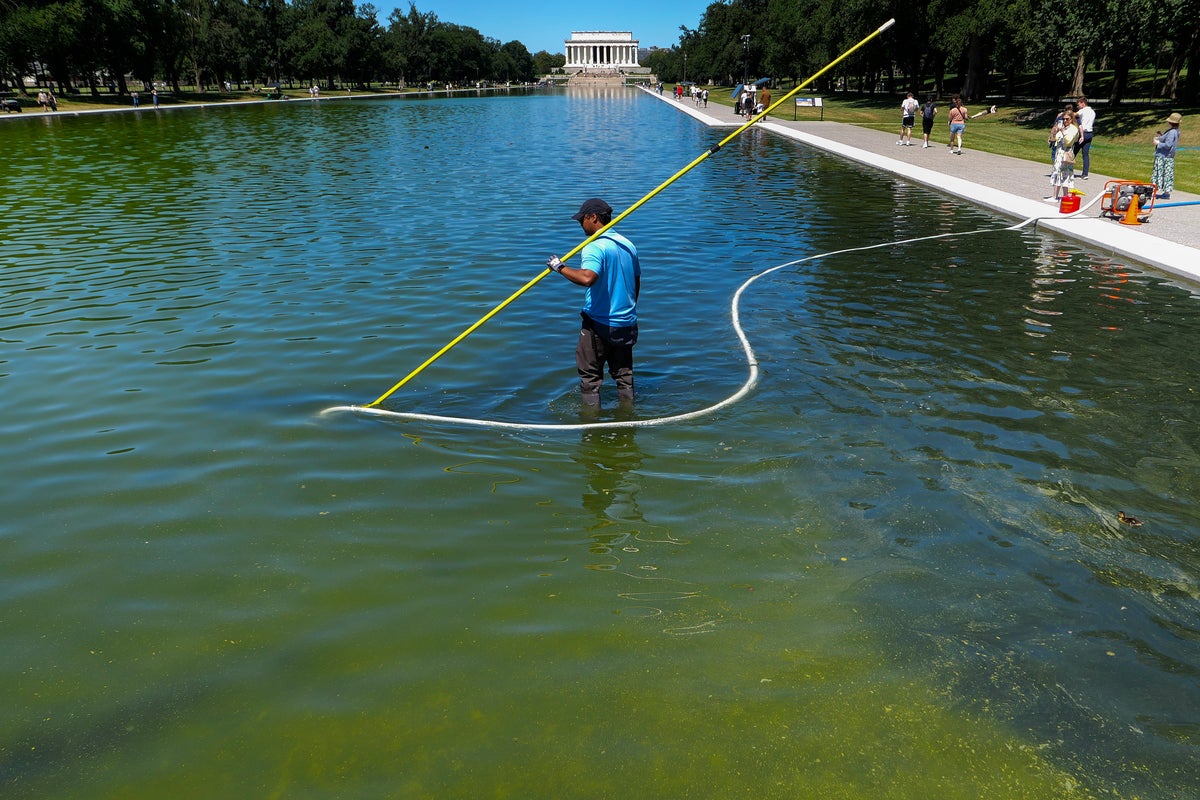
Everyone loves a neat villain. When a high-profile bureaucratic audit or public infrastructure mishap hits the news cycle, the narrative machine immediately spins up the exact same predictable machinery. Critics point a finger at the usual ideological suspects, scream about partisan overreach, and construct a conspiracy theory that neatly fits whatever newsletter subscription they are trying to sell this week.
The media spent the last week hyperventilating over the appointment of a prominent conservative policy architect to lead an internal investigation into structural decay and management failures at the National Mall's crown jewel. The hot takes wrote themselves before the ink dried. The lazy consensus claims this is a naked attempt to weaponize historical preservation, install partisan loyalists, and dismantle public assets from the inside out.
It is a comfortable story. It is also entirely wrong.
I have spent two decades watching federal agencies, municipal authorities, and contracted engineering firms bungle public works projects. I have seen procurement committees blow millions on bureaucratic theater while literal foundations crumble underneath their feet. The problem with the Reflecting Pool is not a partisan plot cooked up by policy think tanks. The problem is a rotting administrative architecture that spans decades of both Democratic and Republican incompetence.
Blaming an incoming investigator's ideological pedigree for a crumbling pool wall is like blaming the meteorologist for a hurricane. You are barking up the wrong tree while the real structural rot goes completely unexamined.
The Myth Of The Neutral Bureaucrat
Let us address the foundational delusion of modern governance. The media loves to pretend that before partisan appointees enter the picture, public infrastructure projects are managed by pure, objective, spreadsheet-wielding technocrats who only care about water pH levels and civil engineering best practices.
This is a fairy tale for people who have never set foot inside a federal contracting office.
I have sat in those rooms. I have watched millions of dollars vanish into endless rounds of environmental impact studies, stakeholder alignment workshops, and third-party consulting fees that yield nothing more than heavy binders of glossy paper. The career bureaucracy is not neutral. It is self-preservationist. Its primary objective is not the efficient maintenance of a historic water feature; its primary objective is risk avoidance and budget expansion.
When a pool begins leaking millions of gallons of water, or when settling foundations threaten the structural integrity of surrounding monuments, the default bureaucratic response is never a swift, decisive fix. The response is a study. Then a subcommittee. Then a multi-year audit that costs more than the actual repair work.
To understand why the Reflecting Pool is a disaster, you have to stop looking at political manifestos and start looking at procurement law.
Follow The Incentives Not The Ideology
If you want to fix a broken public asset, ideology is completely irrelevant. Physics does not care about your party affiliation. Water pressure does not read policy papers.
The procurement framework governing federal monuments is a masterclass in inefficiency. Under current federal acquisition regulations, competitive bidding requirements often force agencies to award multi-million dollar stabilization contracts to the lowest qualified bidder rather than the most competent one. This creates a race to the bottom. Contractors submit lowball bids to win the project, realize they cannot possibly deliver quality work within that budget, and spend the next three years filing change orders and litigation claims.
Meanwhile, the oversight bodies charged with monitoring these projects are incentivized to find fault rather than solutions. Every investigation becomes a political weapon, which means nobody on the ground is ever empowered to take a risk, try an innovative repair method, or bypass the red tape.
When an outside investigator is brought in to review this mess, the standard progressive panic is that they will gut environmental protections or privatize the grounds. The standard conservative fantasy is that they will unmask a den of deep-state slackers who refuse to work.
Both sides are selling you a distraction. The reality is far more mundane and far more damning: the system is designed to fail because failure generates more funding for the next round of studies.
What Real Accountability Looks Like
If the new investigative team actually wants to figure out what went wrong with the Reflecting Pool, they need to ignore the culture war entirely and do three specific things that will make career bureaucrats break out in a cold sweat.
First, they need to audit the change orders. Do not look at the initial contract price. Look at every single modification, delay waiver, and cost overrun approved over the last ten years. That is where the actual money leaked out of the basin.
Second, they need to lift the veil on contractor performance evaluations. Federal agencies are notoriously squeamish about giving bad ratings to major contractors because they fear litigation. Until incompetent engineering firms are legally blacklisted from public bids, they will keep showing up with different corporate names to botch the next monument restoration.
Third, they need to cut the stakeholder loop in half. A restoration project does not need input from twenty-seven different advisory councils, historical commissions, and environmental watchdogs before a concrete truck can pull up to the site.
These are not partisan proposals. They are operational necessities.
The Dangerous Comfort Of Simple Narratives
It is much easier to write a 1,500-word essay about how a single policy appointment spells doom for American heritage than it is to parse the nuances of federal contracting law and civil engineering specifications. It is easier to paint every investigation as a nefarious plot than to admit that our public institutions have simply grown too bloated and risk-averse to maintain a ditch, let alone a national monument.
When commentators focus all their energy on the name at the top of the investigative report, they are giving the actual culprits a free pass. The project managers who signed off on faulty drainage systems, the procurement officers who rubber-stamped low-bid failures, and the endless committees that paralysis-tested the pool into disrepair are all breathing a sigh of relief while the public gets distracted by the shiny object of political theater.
Stop worrying about who is holding the flashlight and start asking why the lights went out in the first place.
The pool is leaking. The bureaucracy is broken. And no amount of partisan screaming is going to pour a single yard of concrete.


