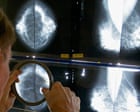
The headlines are easy to write. NHS radiographers report a surge in racist abuse from patients. The narrative prints itself. It triggers outrage, demands for zero tolerance policies, and earnest columns about the state of modern Britain. It is clean. It is emotional.
And it completely misses why our healthcare system is burning to the ground.
I have spent years inside clinical environments, watching the machinery of public healthcare grind professional staff into dust. I have seen administrators clutch their pearls over offensive language while ignoring the systemic rot that creates the conditions for hostility in the first place.
Focusing purely on patient bigotry is an expensive distraction. It lets management off the hook. It treats a symptom of a systemic stroke as if it were a splinter.
Stop treating clinical burnout as a sensitivity training problem.
The Lazy Consensus
The mainstream narrative relies on a comfortable fiction. The story goes like this: hardworking, diverse NHS staff are trying to do their jobs, but an increasingly hostile public brings their prejudices into the waiting room. The solution, according to the standard playbook, is more workshops, stricter signage, and security guards standing by the MRI scanner.
This diagnosis is intellectually lazy.
It assumes that a patient sitting in a drafty corridor for eight hours, in chronic pain, stripped of dignity, and terrified of dying is operating with the emotional regulation of a monk. It assumes that hospitals are functioning ecosystems where everyone is sane, sober, and stable except for a sudden outbreak of ideological malice.
They are not.
Modern hospitals are high-stress pressure cookers. When you push human beings past their breaking point, they snap. Sometimes that snap manifests as weeping. Sometimes it manifests as physical violence. Sometimes, in a multi-ethnic society, it manifests in the ugliest, most targeted verbal abuse available.
Prejudice exists. I am not denying the existence of bigoted individuals in waiting rooms. But treating every outburst in a radiology department as a pure manifestation of racial hatred is a diagnostic failure. It stops us from asking the harder, more dangerous question: why are our clinical spaces breeding grounds for rage?
The Anatomy of Clinical Collapse
Let us look at the mechanics of an NHS diagnostic department today.
Radiography is not a casual interaction. It is an industrial assembly line disguised as care. A single CT or MRI suite has to churn through a relentless queue to meet arbitrary waiting list targets dictated by politicians who have never set foot in a lead-lined room.
Staffing levels are catastrophic. A department designed for ten operators is running on four, two of whom are agency staff who do not know where the emergency stop button is. The equipment is older than the interns operating it.
Now, drop a vulnerable patient into this environment.
Imagine a scenario where an elderly patient with cognitive decline and chronic pain is brought into a freezing department three hours past their appointment time. They are dehydrated. They have not spoken to a doctor. They are terrified. When a radiographer walks in, stressed, exhausted, and rushing to catch up, the friction begins.
When things go wrong, the system looks for an external villain. It is much easier for an NHS trust to point to a bad patient than to admit that their operational model is a catastrophic failure of resource allocation.
Blaming patients costs nothing. Fixing the NHS costs billions.
The Weaponization of Zero Tolerance
Zero tolerance policies sound great on a laminated poster in the staff breakroom. In reality, they are often used as a smoke screen by hospital executives.
When a trust boasts about its robust zero-tolerance stance on abuse, look closer. What does that policy actually achieve? Does it shorten waiting lists? Does it increase radiographer retention? Does it fix broken scanners?
No. It provides legal cover for institutional negligence.
If a patient launches a tirade of racial abuse, security should intervene, and the patient should be managed or discharged where safe to do so. Nobody should have to endure abuse at work. That is an absolute baseline.
However, using individual misconduct to justify a total lack of structural reform is a sleight of hand. It creates a false dichotomy: either you support our frontline staff against bigots, or you are part of the problem.
This shuts down critical analysis. It prevents managers from asking why patients are waiting fourteen hours for a routine scan. It prevents unions from challenging unsafe shift patterns that leave staff isolated and vulnerable.
The Data We Ignore
Let us look at the broader picture of workplace hostility in healthcare. Studies across public health show a direct correlation between wait times, overcrowding, and verbal aggression.
When access degrades, civility degrades.
When a patient believes the system has abandoned them, their baseline cooperation evaporates. This is not an excuse for racism; it is an explanation of human behavior under duress. If you starve a system of resources, you starve it of patience.
Radiographers are bearing the brunt of this because imaging is the bottleneck of modern medicine. You cannot treat anyone until you scan them. Every delay in the hospital flows downstream into the X-ray department. The radiographer is the final, exhausted gatekeeper before a patient gets answers.
They are catching the anger meant for the government, the board of directors, and thirty years of underinvestment.
What Actually Works
If we want to protect healthcare workers, we have to stop treating symptoms with corporate buzzwords and start rebuilding the operational core.
- Decouple triage from processing. Stop treating waiting rooms like cattle pens. If you manage patient anxiety before they enter the imaging suite, hostility plummets.
- Staff for reality, not spreadsheets. Relying on overworked staff creates an atmosphere of panic that transfers directly to the patient. A calm clinician calms the room. A panicked clinician escalates it.
- Redefine accountability. When abuse occurs, support the staff member completely—financially, legally, and emotionally. But do not use the incident to close the book on the investigation. Ask why that patient was left to ferment in a waiting room for half a day.
Until we fix the crushing, dehumanizing conditions inside our hospitals, the abuse will continue. Changing the posters on the wall will not save the NHS. Restoring its competence might.
Stop blaming the public for reacting to a broken machine. Fix the machine.