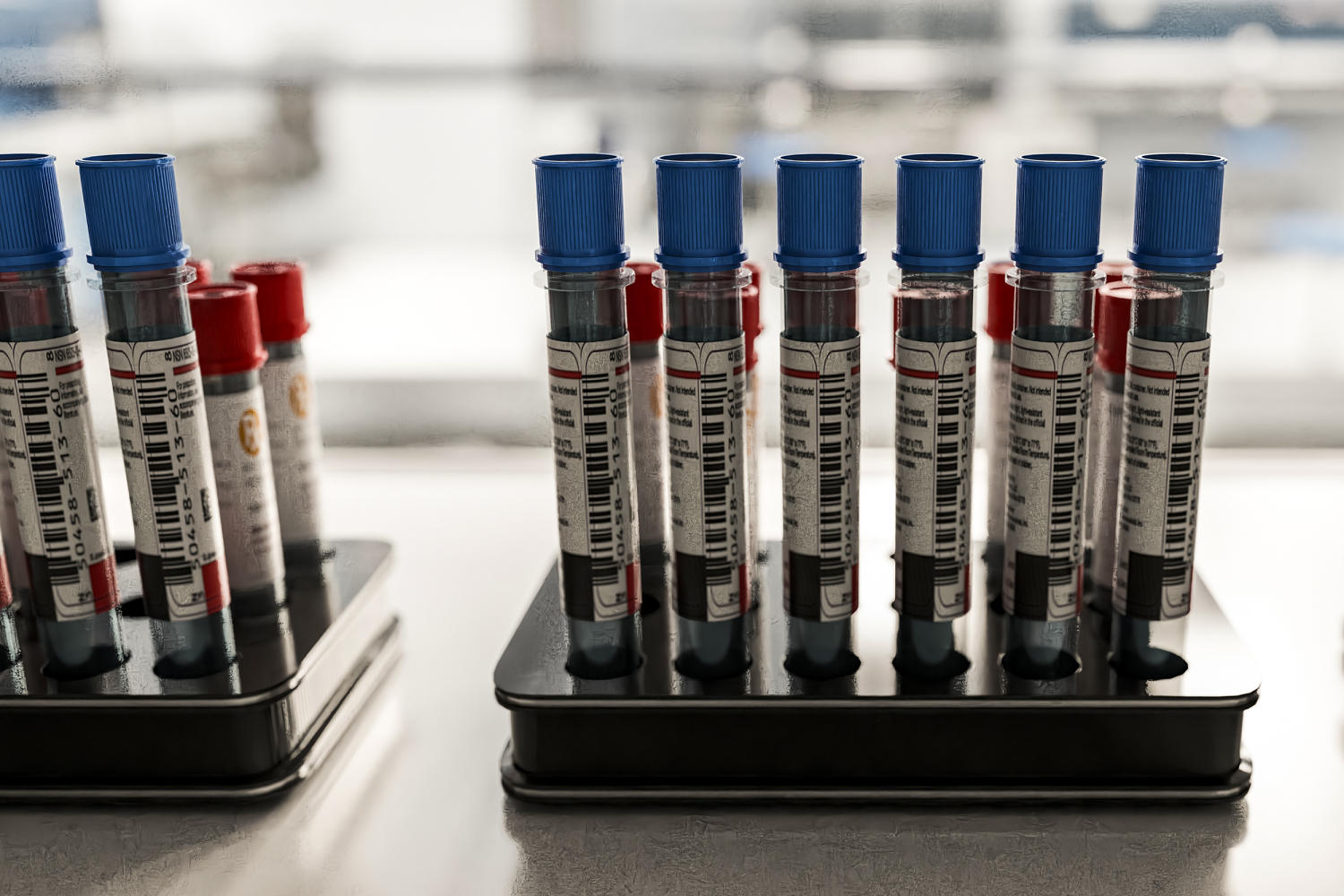
The medical establishment is currently engaged in a high-stakes game of "wait and see" with your brain. While p-tau217 blood tests are hitting the market with 90% accuracy rates—rivaling the gold-standard PET scans and painful lumbar punctures—the consensus among clinical "experts" is a collective shrug of hesitation. They claim the data isn't ready. They claim patients can’t handle the truth. They claim a diagnosis without a cure is a "burden."
They are wrong. Read more on a connected subject: this related article.
The argument that we should withhold high-accuracy diagnostic tools because we lack a silver-bullet pill is a relic of 20th-century paternalism. It ignores the reality of how neurodegeneration actually works and, more importantly, how human beings actually live. We are currently witnessing a massive bottleneck where "clinical utility" is being defined by insurance bean-counters and risk-averse neurologists rather than the people whose neurons are actually dying.
The Myth of the Useless Diagnosis
The loudest objection from the skeptical camp is that a blood test for Alzheimer’s is "pointless" because the current crop of monoclonal antibodies, like lecanemab, only offers modest benefits. This logic is fundamentally flawed. It assumes the only value of a diagnosis is pharmacological intervention. Further reporting by Medical News Today highlights similar views on the subject.
In reality, a diagnosis is a tool for agency.
When a patient discovers they have elevated amyloid and tau levels five to ten years before the "clocks and keys" cognitive tests show a decline, they gain a window of opportunity that the medical system is currently stealing from them. This isn't about "doom-scrolling" your DNA; it's about life engineering. It's about legal planning, estate management, and the aggressive implementation of lifestyle interventions—exercise, sleep hygiene, and metabolic health—that lose their efficacy once the brain has already reached a state of atrophy.
Waiting for "clinical symptoms" to provide a diagnosis is like waiting for the engine to explode before checking the oil. By the time a primary care doctor notices you’re struggling with your car keys, the biological war is already half-lost.
The P-Tau217 Revolution vs. The Status Quo
Let’s talk about the math. Traditional diagnosis relies on a subjective mess of cognitive screenings and the "expert" intuition of a neurologist. The error rate in primary care for identifying Alzheimer’s is staggeringly high, often missing the mark in 50% of cases.
Compare that to the p-tau217 assays. These tests measure phosphorylated tau, a specific protein that leaks into the bloodstream when the brain starts to fail. Studies published in JAMA and by the Alzheimer’s Association have shown these tests can identify pathology with an Area Under the Curve (AUC) often exceeding 0.90.
For the non-statisticians: that is nearly a perfect score.
The Cost of Hesitation
- PET Scans: $5,000 - $8,000. Often not covered. Requires radioactive tracers.
- Lumbar Punctures: Invasive. Painful. Requires a specialist.
- Blood Tests: ~$500. A simple draw at a local lab.
The medical establishment argues that "false positives" might cause unnecessary anxiety. This is a patronizing smokescreen. We don’t stop testing for cholesterol because some people might get nervous about heart disease. We give them the data so they can change their behavior. To deny a patient a blood test because they might feel "anxious" is an ethical failure masquerading as a bedside manner.
The Hidden Conflict: Why Doctors are Scared
The real reason for the pushback isn't just "scientific caution." It’s infrastructure. The medical system is terrified of the "worried well."
If we democratize Alzheimer’s testing, millions of people will demand answers. Currently, the wait time to see a neurologist in many parts of the United States is six to twelve months. If blood tests become standard, that wait time will explode. The skepticism isn't about the test’s accuracy; it’s about the system’s inability to handle the volume.
By framing their hesitation as "concern for the patient," they are actually protecting their own calendars and the bottom lines of insurers who don't want to pay for the downstream follow-up care that a positive test necessitates.
Reclaiming the "Pre-Symptomatic" Narrative
We need to stop viewing Alzheimer’s as a binary state—you either have it or you don’t. It is a decades-long process.
Imagine a scenario where we treated cancer the way we treat Alzheimer’s. Imagine telling a patient with a small, detectable tumor, "We won't tell you it's there because we can't perfectly cure it yet, and we don't want to ruin your weekend." There would be a national outcry. Yet, this is the exact "standard of care" currently being defended in neurology.
The contrarian truth is that the "pre-symptomatic" stage is the only stage where we have a fighting chance. Biogen and Eli Lilly’s latest drugs work significantly better when administered early. The further the disease progresses, the less effective the drugs become. By delaying testing until symptoms are "obvious," doctors are effectively ensuring the medications they do have will fail.
The Actionable Reality
If you are waiting for your doctor to offer you a p-tau217 blood test, you are playing a losing game. The guidelines are moving at a glacial pace, hampered by committees that value consensus over innovation.
- Demand the Assay: Do not settle for a "Mini-Mental State Exam." It is a blunt instrument. Ask specifically for high-sensitivity p-tau217 testing.
- Accept the Risk: Yes, a positive result is terrifying. But a positive result at age 55 gives you a decade to pivot. A diagnosis at 70 gives you a few years to fade away.
- Bypass the Gatekeepers: If your primary care physician refuses to order the test because you "seem fine," find a concierge provider or a direct-to-consumer lab that understands that "seeming fine" is the best time to check the biological reality.
The medical community loves to talk about "patient-centered care," but they are currently centering the conversation on their own discomfort with uncertainty. They are prioritizing the "risk" of a patient being upset over the "certainty" of a patient being unprepared.
We are moving toward a future where Alzheimer’s is a managed chronic condition rather than a death sentence. But that future is only accessible to those who know they are sick before they start to forget why they are in the doctor’s office in the first place.
Stop asking for permission to know your own biology. The tests are here. Use them.