The air inside the terminal smelled of old coffee, stale jet fuel, and the distinct, rising panic of a missed opportunity.
It was supposed to be the journey of a lifetime, or perhaps simply the long-awaited reunion with family across an ocean of blue. For a traveler from Punjab, holding a confirmed ticket is more than a booking confirmation; it is a promise. It is months of paperwork, the anxiety of visa approvals, the heavy packing of gifts, and the quiet, collective sacrifice of an entire family cheering you on from a courtyard thousands of miles away.
Then came the five words that cut through the fluorescent glare like a blade.
Your seat is gone.
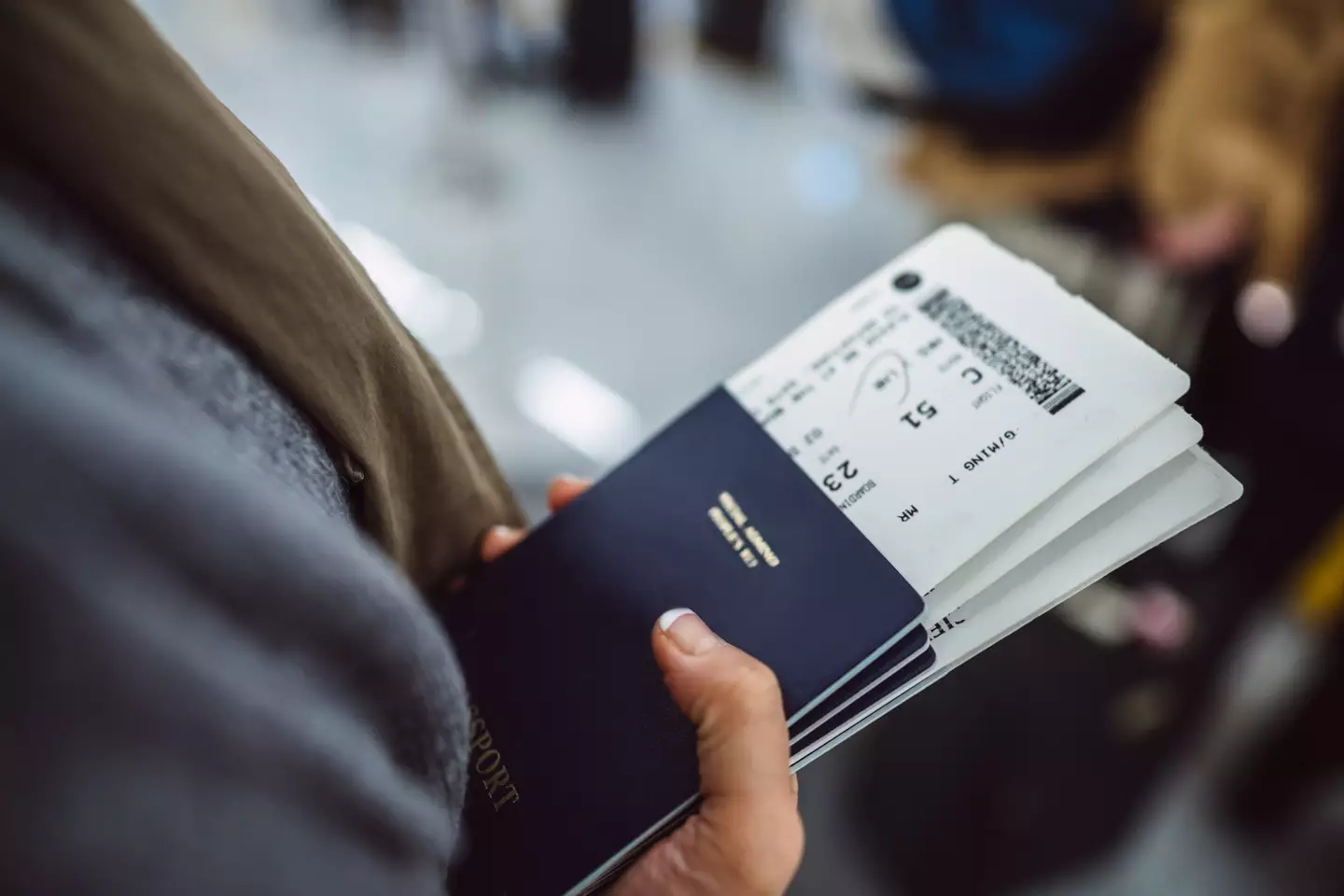
Denied boarding. Not because the plane was physically full. Not because of a mechanical failure or a sudden storm over the Atlantic. But because of a bureaucratic ghost phrase typed into a computer screen: "no show."
Consider the absurdity. A human being standing right there, breathing, sweating, clutching a passport with trembling fingers, officially declared to not exist.
The Anatomy Of A Travel Nightmare
We have all been there, or feared being there. That sickening drop in the stomach when a system refuses to recognize you. In the modern age of air travel, we place an immense amount of trust in invisible digital ledgers. We surrender our time, our money, and our autonomy to algorithms and airline counter staff who hold absolute sovereignty over whether we catch our flight or spend the next twenty-four hours weeping on a plastic chair.
For this particular Punjabi traveler, the nightmare escalated far beyond a simple flight delay. After arriving on time, ready to check in for a Canada-bound flight, airline representatives insisted he had failed to show up for a prior leg or check-in window, marking him as a ghost. His seat was reassigned. His luggage remained with him, yet he was stranded.
Think about the sheer helplessness of that moment. You are miles from home, foreign airspace looms ahead, and an indifferent corporate entity tells you that your ticket is effectively void due to an administrative error of their own making. Most people break down. Some shout, exhausting their remaining energy against a brick wall of corporate policy. A few simply walk away, defeated, absorbing the financial loss like a tax on being ordinary.
This traveler did something different. He decided to fight.
The Long Road To Accountability
Fighting a major airline is David versus Goliath with a modern twist. The giant wears a sharp suit, hides behind dense terms of service, and wields an army of legal counsel whose entire job is to exhaust your patience.
Months passed. The excitement of the proposed Canadian trip curdled into the bitter administrative grind of consumer courts and grievance cells. Every hearing was a reminder of the humiliation at the airport counter.
Yet, beneath the dry filings and legal jargon lay a fundamental question of consumer rights. What does a ticket actually mean? When an airline accepts hard-earned money, enters a contract of carriage, and then arbitrarily breaches it through faulty record-keeping, who bears the cost?
In this case, the District Consumer Disputes Redressal Commission in Punjab looked past the corporate obfuscation. They saw the human cost. They recognized that a "no show" designation slapped wrongfully onto a passenger is not a minor glitch; it is a breach of trust and a direct violation of service obligations.
The judgment, when it finally arrived, was vindication wrapped in numbers. The airline was ordered to pay Rs 1.53 lakh in compensation for mental agony, harassment, and financial loss.
One hundred and fifty-three thousand rupees. It will not buy back the exact hours lost, nor will it entirely erase the memory of standing stranded beneath the departure boards. But it represents something infinitely more valuable. It is proof that ordinary passengers are not entirely powerless against corporate titans.
Why This Story Matters To Every Single Traveler
We live in a hyper-connected world where our movements are tracked, scanned, and cataloged at every turn. Yet, accountability seems harder to pin down than ever. When automated systems fail us, we are too often met with corporate shoulder shrugs and policy shields.
When a court penalizes an airline for phantom "no show" claims, it sends a tremor through the industry. It forces scheduling software, ground handlers, and customer service desks to look twice at the human standing in front of them before pressing a button that upends a life.
The next time you slide your boarding pass across the scanner, feeling that familiar, low-level anxiety about whether the green light will flash, remember this case. Remember the traveler from Punjab who refused to accept that a computer screen could erase his existence.
Justice in the skies is rare, slow, and expensive. But when it lands, it hits with the force of a thunderclap.