Diamond miners don't usually expect to find 500-year-old Portuguese treasures buried in the sand. But that's exactly what happened when geologists from De Beers stumbled upon the remains of the Bom Jesus in the Namibian desert. This wasn't just a pile of rotten wood. It was a massive Renaissance merchant ship that vanished in 1533, now sitting in a man-made lagoon in one of the most inhospitable places on Earth.
Most shipwrecks are found by divers in dark, murky water. The Bom Jesus is different. It’s sitting in a high-security diamond mining zone known as the Sperrgebiet, or "Forbidden Territory." Because the area was drained for mining operations, the ship basically resurfaced on dry land. It's a surreal sight. You have a vessel meant for the high seas resting under the scorching sun of the Namib Desert.
Why the Bom Jesus stayed hidden for centuries
The Namibian coast is notorious for a reason. Sailors called it the Skeleton Coast. Cold Atlantic currents meet the hot air of the desert, creating a thick, blinding fog that has claimed thousands of ships. The Bom Jesus was just one of many victims. It was a "nau," a large Portuguese trading vessel, and it was heavily laden when it went down.
When the ship hit the rocks or sandbars during a storm in 1533, it didn't just sink. It was pushed into an area that eventually became land as the coastline shifted over centuries. The shifting sands of the Namib are restless. They bury things. They move them. They hide them. For 475 years, the ship stayed under a layer of sand that protected it from the corrosive effects of the open air.
The gold that changed everything
When the miners first saw the wood, they didn't think much of it. They find old bits of debris all the time. But then they found the copper ingots. Thousands of them. And then came the gold.
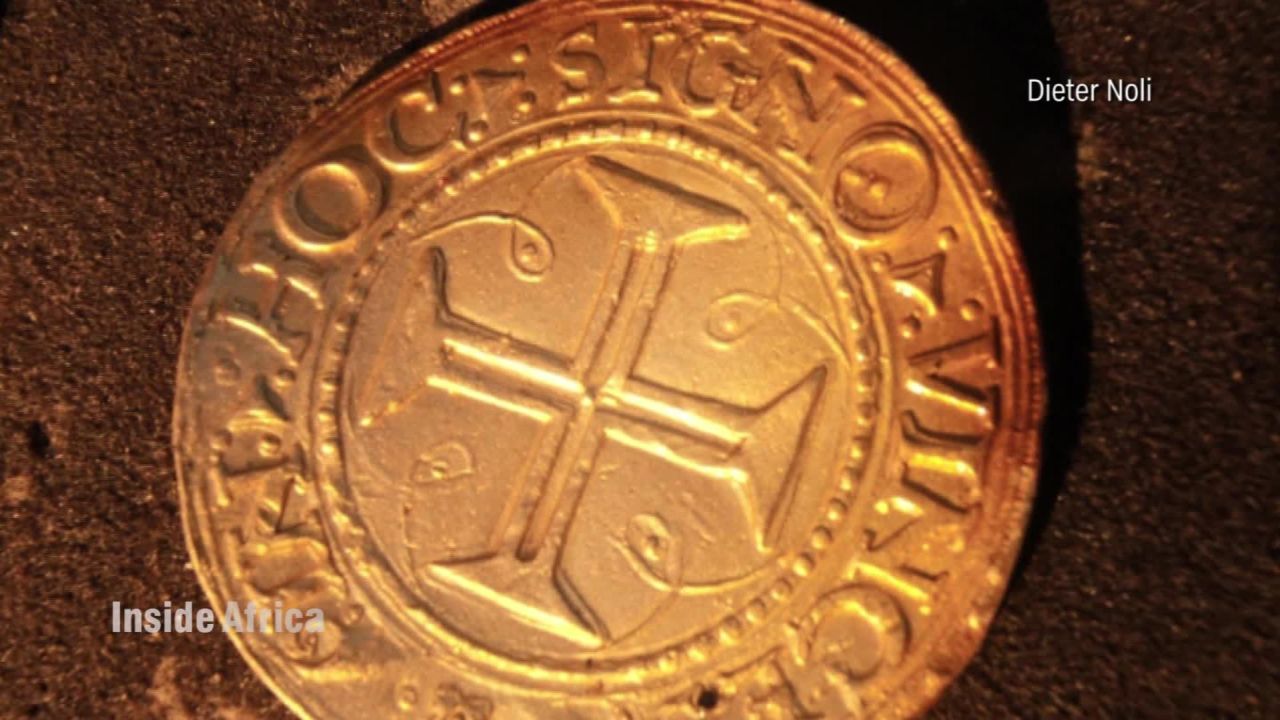
Archaeologist Dieter Noli, who has spent decades working in the region, was called in to investigate. What he found was staggering. The ship carried over 2,000 gold coins, mostly Spanish Excelente and Portuguese Cruzados. These weren't just coins. They were a snapshot of the global economy in the 1500s. The sheer weight of the cargo was incredible. The ship was packed with 22 tons of copper ingots, which ironically might be why the wood survived. The copper salts acted as a preservative, killing off the organisms that usually eat away at shipwreck timber.
A cargo meant for the King of Portugal
This wasn't a pirate ship. It was a state-sponsored mission. The Bom Jesus was part of a fleet owned by King João III. It was headed for India to trade for spices, which were worth more than gold at the time. To get those spices, the Portuguese needed items that had value in the East.
- Copper: This was the primary currency for trade in India.
- Ivory: Over 100 elephant tusks were found in the hold.
- Lead: Used for ballast and various industrial needs.
- Cannons: The ship was armed to the teeth to protect its valuable haul.
The discovery of the ivory was particularly significant. DNA analysis of the tusks showed they came from at least 17 different herds of forest elephants in West Africa. This tells us a lot about the sprawling trade networks the Portuguese had established before the ship ever set sail for the Cape of Good Hope.
Life and death on a Renaissance merchant ship
It's easy to focus on the gold, but the personal items tell a darker story. The crew lived in cramped, filthy conditions. We found pewter plates, medicine jars, and even old shoes. These men were risking everything for a share of the profits. Most of them never saw a dime.
When the ship went down, it likely happened fast. There's no evidence of a long-term survival camp on the shore. Given the brutal nature of the Skeleton Coast, anyone who made it to land would have faced a slow death from thirst. There's no water out there. Just dunes and salt. The desert doesn't care about your rank or how much gold you're carrying.
The legal battle over the bones of the ship
Finding a ship full of gold usually leads to a legal nightmare. In this case, things were surprisingly straightforward. Under international maritime law, the ship and its cargo belong to the country of origin—Portugal. However, the Portuguese government did something rare. They waived their right to the find, allowing Namibia to keep the treasure and the artifacts.
The ship remains in a secure facility in Oranjemund. You can't just drive up and see it. Because it's in a diamond mining area, security is tighter than a bank vault. This has created a bit of a dilemma. The world wants to see this incredible piece of history, but the location makes tourism nearly impossible.
What we can learn from the sand
The Bom Jesus is a time capsule. It hasn't been looted. It wasn't scattered by deep-sea currents. It’s a complete set of data from the era when Europe first began to dominate the oceans. Scientists are still studying the wood, the metal, and the bones found on site to piece together the ship's final moments.
One thing is certain. The ship was over-laden. It was carrying way too much weight for its size. In their greed to bring back as much as possible, the merchants might have doomed the vessel from the start. A heavy ship is a slow ship, and a slow ship is at the mercy of the Atlantic.
If you want to understand the scale of this discovery, you need to look past the glint of the gold coins. Look at the copper. Look at the elephant tusks. This ship represents the birth of globalism. It shows us how far people were willing to go for profit, and the high price they paid for it. The Namib Desert is a graveyard, and the Bom Jesus is its most famous resident.
Check the official reports from the Namibia Maritime Museum or the records from the Portuguese Ministry of Culture if you want the deep technical data on the coin types. If you're ever near Oranjemund, don't bother trying to sneak in. The guards have guns and the desert has no mercy. Stick to the museum exhibits in the capital if you want a closer look at the artifacts that actually made it out of the sand.