The Aegean Sea remains one of the most perilous maritime frontiers on the planet. When a migrant vessel collides with a patrol boat, the headlines flash briefly, but the underlying crisis runs much deeper than a single accident. You've probably seen the breaking news alerts about vessels crashing near Greek islands like Lesvos, resulting in tragic fatalities, including women and children. But standard news reports rarely capture the agonizing calculus driving thousands onto rickety speedboats every single week.
Let's look past the surface-level numbers. Why do these collisions happen, and why is the Mediterranean turning into a graveyard despite tightening security measures?
The Anatomy of a High Stakes Maritime Collision
Maritime borders are heavily militarized zones. When a high-speed migrant boat crosses from Turkish shores toward Greek islands, interception protocols trigger instantly. These aren't luxury cruisers equipped with modern navigation systems. They're overloaded rubber dinghies or low-profile speedboats pushed to their absolute limits by human traffickers who care little for human life.
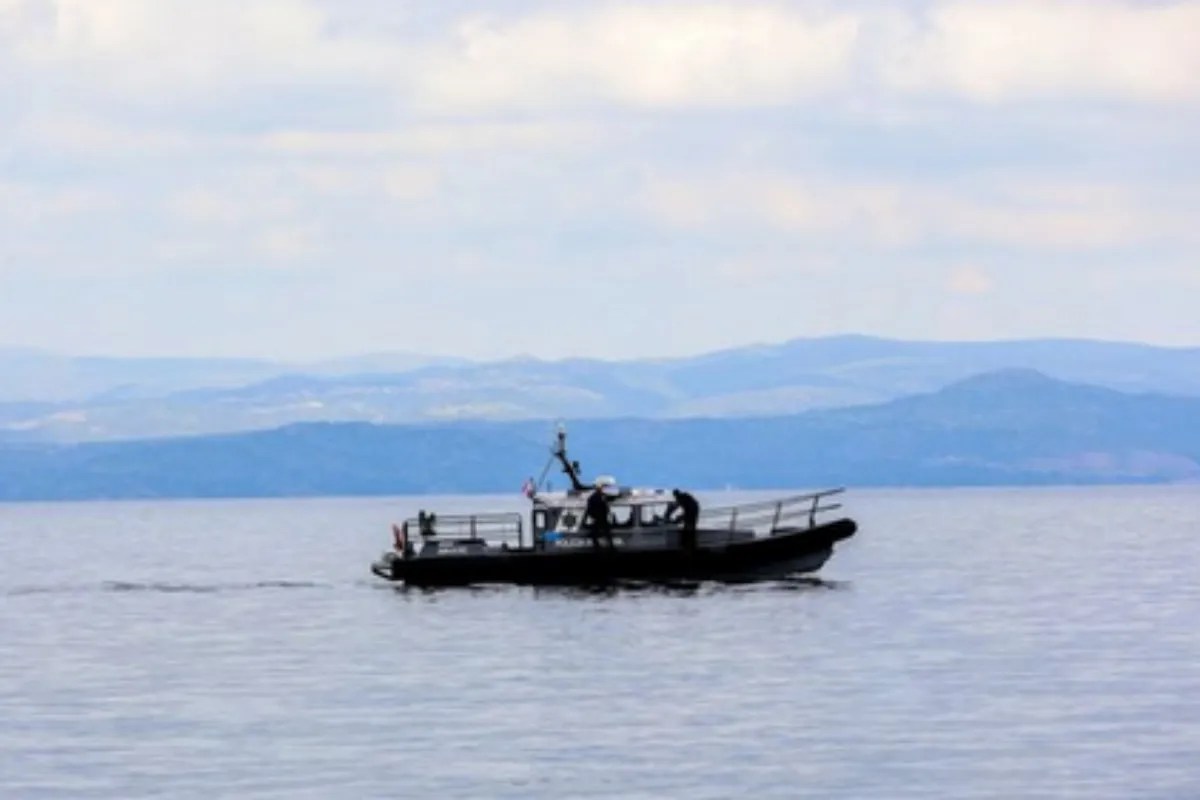
In narrow maritime corridors, split-second maneuvers carry deadly consequences. Coast guard vessels attempt to intercept or halt unauthorized entries, while desperate operators try to evade capture. A sudden course change in choppy dark waters can turn a routine interception into a catastrophic impact. When a fiberglass patrol boat hits an inflatable or light speedboat, physics leaves zero margin for error.
Survivors often recount chaotic moments where warnings are blurred by roaring engines and panic. Human rights organizations repeatedly question whether interception tactics prioritize deterrence over human safety, creating an environment where accidents become inevitable.
The Smuggling Networks Operating in Plain Sight
You can't talk about these tragedies without pointing directly at the smuggling rings. Operating primarily out of coastal hubs in Turkey, these networks charge desperate families small fortunes for a seat on a floating death trap.
Operators frequently force migrants to pilot the boats themselves after a brief tutorial, pocketing thousands of dollars while risking none of the physical danger. When arrests happen—such as the detention of 37-year-old local handlers or foreign nationals acting as couriers—it rarely dents the broader infrastructure. Demand fuels the supply. As long as land routes remain sealed and conflict persists across the Middle East and Africa, people will pay criminals for a ticket to Europe.
Why Tightening Borders Fails to Stop the Flow
European Union policies continue focusing heavily on deterrence. Agencies like Frontex deploy high-tech surveillance, aerial drones, and reinforced coastal patrols to push back arrivals. Yet, data from asylum agencies shows that tighter regulations don't eliminate migration; they simply push travelers toward deadlier, less predictable routes.
When primary entry points face intense crackdowns, smugglers pivot to longer, more hazardous open-water crossings—like departures from Libya toward Crete or erratic dashes across the eastern Aegean. Every increased patrol barrier matches a rise in desperation. People fleeing war zones or extreme economic collapse aren't deterred by the risk of drowning because their current reality already feels like a dead end.
The Human Cost Behind the Statistics
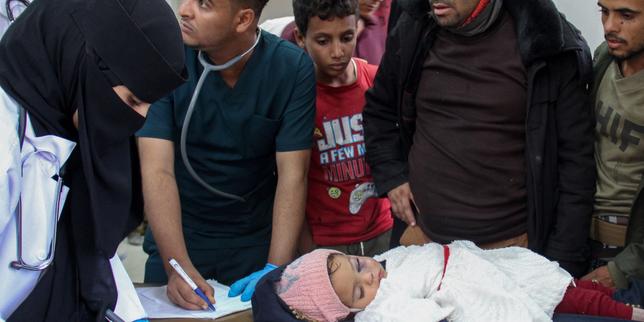
Numbers sanitize tragedy. When reports state that six or twelve people died in a single collision, it's easy to scroll past. Behind those figures are infants, mothers, and young workers who sold everything they owned for a chance at safety.
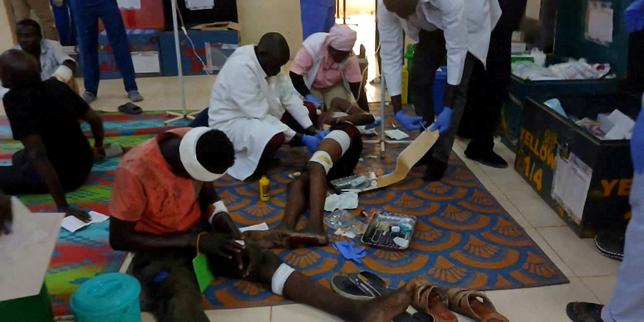
Hospitals on islands like Lesvos and Chios frequently transition from tourist hubs to emergency triage centers overnight, treating survivors for hypothermia, shock, and severe trauma. Local volunteers and rescue crews bear the psychological weight of recovering bodies from cold waters, witnessing a human toll that standard political debates rarely address.
Fixing this crisis requires looking beyond border enforcement metrics. Until safe, legal pathways exist and the root causes of mass displacement are addressed, the Aegean will continue claiming lives in the dark hours before dawn.