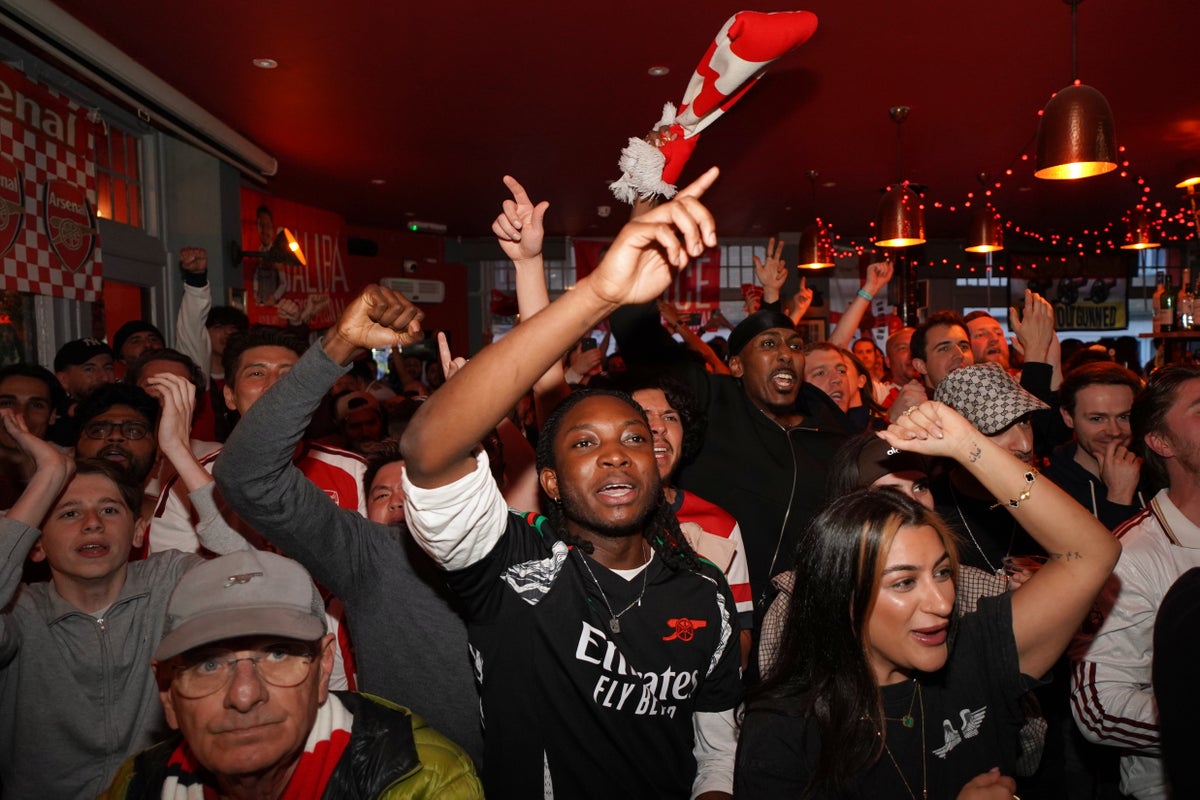
The media elite love a good laugh at the expense of African football fans. When a viral rumor convinced thousands of Arsenal supporters in Botswana that the government had declared a public holiday to celebrate a theoretical Premier League title, the football press pounced. They painted it as a comedy of errors. A farce. A cautionary tale about digital illiteracy in the Global South.
They completely missed the point.
The lazy consensus views this incident as a simple case of gullible fans getting duped by a WhatsApp prank. As someone who has spent over a decade dissecting sports media metrics, consumer behavior, and global brand engagement, I see something entirely different. This wasn’t a failure of intelligence in Gaborone. It was a spectacular failure of imagination in London.
The Botswana incident isn't a joke. It is a profound indictment of how European football clubs exploit global fandom while offering absolutely zero systemic return.
The Illusion of the Global Community
European football clubs love to brag about their "global family." They flash heatmaps of digital engagement during board meetings. They boast about having 500 million followers across Asia and Africa.
It is a corporate fiction.
In reality, global fandom is a one-way extraction economic model. Clubs like Arsenal, Manchester United, and Real Madrid treat international supporters as low-yield digital real estate to be monetized through shirt sales and social media impressions. Yet, the emotional investment from these fans is wildly disproportionate to the tangible connection they receive in return.
When fans in Botswana gathered to organize a parade based on a rumor, they weren’t being foolish. They were desperate for agency. They were attempting to materialize a digital ghost into physical reality.
Consider the mechanics of the modern fan experience:
- The Domestic Fan: Can buy a ticket, walk into the Emirates Stadium, boo the manager, and directly influence the atmospheric pressure of the club. They possess political capital within the institution.
- The International Fan: Wakes up at 3:00 AM, pays exorbitant data fees or cable subscriptions, and screams into a digital void. They have no vote, no voice, and no presence.
The public holiday rumor filled a vacuum. It gave African fans a chance to claim ownership over a triumph they helped finance but are systematically excluded from experiencing live. To dismiss them as "duped" is to ignore the deep, unresolved tension at the heart of global sports commercialization.
The Mirage of Digital Engagement
Every major sports franchise is currently obsessed with "localization." They hire regional social media managers to tweet in local slang. They create region-specific Facebook pages.
It is cheap cosmetic theater.
If you look at the actual capital allocation of these clubs, the investment in true international fan infrastructure is pathetic. Outside of lucrative pre-season tours to the US or Asia—which are designed solely to line the pockets of promoters and cater to corporate sponsors—the Global South is largely ignored.
Imagine a scenario where a tech company treated its largest user base with the same aloof indifference that Premier League clubs treat their African supporters. The churn rate would be catastrophic. Football survives this neglect only because fandom is an irrational, sticky monopoly. You can change your phone, your car, or your political party, but you rarely change your football club.
Clubs capitalize on this psychological hostage situation. They know an Arsenal fan in Botswana will keep buying the kit, regardless of whether the club ever acknowledges their existence. The Botswana prank proved that the desire for local, physical validation is so starved that even a transparently fake government decree is enough to trigger a mass mobilization.
Dismantling the Myth of the Gullible Supporter
Let's address the inevitable "People Also Ask" defense that circles these events: How could anyone actually believe a foreign football match would warrant a national holiday?
This question stems from a profound ignorance of cultural context and the shifting nature of national identity.
In many Sub-Saharan nations, European football is not a hobby; it is a primary cultural currency. It crosses tribal, linguistic, and socio-economic lines in ways that domestic politics rarely can. When Arsenal or Chelsea plays, civil society pauses.
Furthermore, the lines between corporate entities and state apparatuses have blurred globally. We live in an era where state-owned enterprises sponsor shirts and sovereign wealth funds own entire clubs. Is it really that absurd for a fan to believe a government might align its calendar with a massive cultural milestone?
- Saudi Arabia declared a national holiday after beating Argentina in the 2022 World Cup.
- The government of Kenya routinely engages in public banter regarding English Premier League results.
The premise that sports and statecraft are completely separate is an outdated Western concept. The fans in Botswana didn't lack critical thinking; they simply operated in an environment where the gravity of European football is heavy enough to warp local reality.
The Exploitative Economics of Modern Fandom
Let's look at the cold financial reality. The Premier League’s international broadcast rights are worth billions. A significant portion of that growth is driven by audiences across the African continent.
Yet, what flows back?
+-----------------------------------+-----------------------------------+
| What International Fans Give      | What International Fans Receive   |
+-----------------------------------+-----------------------------------+
| Premium Broadcast Subscriptions   | Regional Tweets                   |
| Authentic Kit Purchases           | 3:00 AM Kickoff Times             |
| Uncapped Social Media Data        | Zero Ticket Priority              |
| Generational Brand Loyalty        | Dismissive Media Narratives       |
+-----------------------------------+-----------------------------------+
This lopsided economic dynamic is unsustainable. The Botswana incident should serve as a flashing red warning sign for sports marketers. It exposed a volatile mix of intense emotional investment and profound systemic alienation. When people are locked out of the stadium, they will build their own stadium in the streets, even if the foundation is a rumor.
If clubs want to avoid their brands becoming instruments of public disruption and mockery, they need to shift from extraction to integration.
Stop Broadcasting, Start Embedding
The current sports marketing playbook says: optimize the app, push the OTT platform, and translate the content.
This is wrong. It is digital colonialism disguised as connectivity.
To fix the broken dynamic that the Botswana prank laid bare, clubs must decentralize their physical presence. This doesn't mean sending a retired midfielder to hold a three-day coaching clinic in a capital city once every five years. It means establishing permanent, subsidized club hubs. It means creating official domestic screening zones that offer genuine member benefits, voting rights in club awards, and direct pipelines for local talent and fan representation.
If a club can afford to pay a backup left-back £100,000 a week to sit on the bench, it can afford to buy and operate a community hub in Gaborone, Lagos, or Nairobi.
Until that happens, the global fanbase remains an volatile, unanchored mass. They are susceptible to every prank, every rumor, and every digital manipulation because they have nothing real to hold onto. The joke isn't on the fans who showed up to celebrate a myth. The joke is on the executives in London who think they can control a global empire from a boardroom while giving the people who build it nothing but a timeline to scroll.