The British public is tired of being told that charity begins and ends at home while the government insists on sending billions abroad. It's a sentiment that has simmered for years, but recent data suggests it has reached a boiling point. When the UK government decided to slash the overseas aid budget from 0.7% to 0.5% of gross national income, many expected a backlash from the public. Instead, something far more complex happened. Support for international development didn't just dip—it fractured.
We're seeing a direct correlation between the government’s own lack of commitment and a growing cynicism among voters. If the people in charge don't think it's worth the full investment, why should the person struggling with a rising energy bill think any differently? It’s a classic case of leading from the bottom.
The 0.7 percent promise and why its collapse mattered
For years, the 0.7% target was a point of national pride for some and a target for derision for others. It was enshrined in law in 2015, signaling that the UK was a "development superpower." But in 2021, that changed. The government cited the economic fallout from the pandemic as the reason for the cut.
This wasn't just a fiscal shift. It was a psychological one.
Research from the University of Birmingham and University College London (UCL) indicates that these cuts sent a clear signal to the public. When the state retreats, the moral imperative for the individual often follows suit. The "Global Britain" brand took a hit, not just in the eyes of world leaders, but in the eyes of the British taxpayer.
The data shows that when the government devalues its own international contributions, the public starts to view aid as an optional luxury rather than a strategic necessity. It’s hard to sell the idea of "soft power" to a family in a neglected coastal town when the very leaders proposing it are trimming the edges of the budget.
Domestic pressures are eating the international budget
There’s a massive elephant in the room that most policymakers hate to discuss. A huge chunk of what we call "foreign aid" never actually leaves the UK.
Under current rules, the cost of housing asylum seekers and refugees within British borders can be counted as Official Development Assistance (ODA). In recent years, this has swallowed billions. We're talking about roughly a third of the entire aid budget being spent on domestic hotel bills and processing centers.
This creates a massive transparency gap.
- The public hears "£13 billion in aid" and thinks of wells in Africa.
- The reality is that billions are staying in the UK to fix a broken migration system.
- This creates a "double resentment" where people feel the money isn't helping people abroad and it isn't fixing domestic infrastructure like the NHS.
Honestly, it’s a branding nightmare. You can't expect people to support "overseas help" when the money is being used as a sticky plaster for domestic policy failures. It feels like a shell game. When the distinction between "helping them there" and "spending it here" blurs, the moral clarity of foreign aid vanishes.
The empathy gap and the rise of the home first mentality
The "Charity Begins at Home" mantra isn't just a cliché anymore; it’s a political movement. With the cost-of-living crisis hitting hard, the average Brit is looking at their bank balance and then looking at the headlines about aid.
The disconnect is massive.
Development experts often talk about "long-term stability" and "preventing future conflicts." These are valid points. Helping a country stabilize its economy can prevent a migration crisis ten years down the line. But that’s a hard sell. It’s an abstract benefit.
People care about the tangible. They care about wait times at the GP. They care about the price of eggs.
Why the messaging is failing
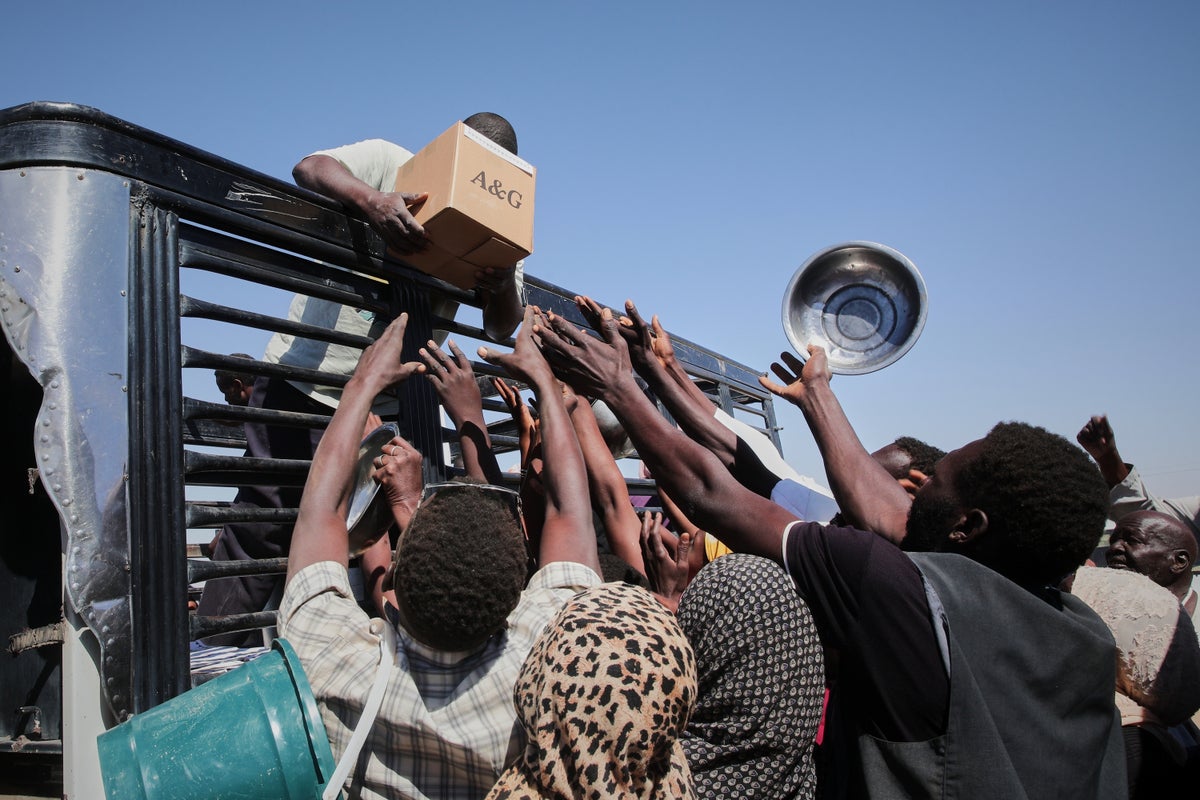
Most aid campaigns still rely on the "starving child" imagery of the 1980s. It doesn't work like it used to. It creates a sense of "aid fatigue." People see these images and feel that despite decades of sending money, nothing has changed.
The reality is that much has changed—extreme poverty has plummeted globally over the last thirty years—but the government and charities have done a terrible job of telling that story. Instead of showing progress, they show perpetual need. That’s a recipe for donor burnout.
Trust is the missing currency
The University of Birmingham study highlighted a drop in trust. It's not just about the money; it’s about whether the money is being used effectively.
We’ve all seen the reports. Consultancies taking massive cuts. Corrupt officials siphoning off funds. While these might be the exception rather than the rule, they dominate the narrative. When the government cut the budget, they also scrapped the Department for International Development (DfID) and merged it into the Foreign Office.
Many saw this as the end of "poverty-focused" aid and the beginning of "interest-focused" aid.
When aid becomes a tool for trade deals or diplomatic leverage, it loses its heart. The public can sniff out a cynical move from a mile away. If the goal is no longer just "helping people" but "buying influence," the average person feels less inclined to support it with their tax pounds.
The strategic blunder of retreating from the world stage
Here is the part that critics of aid often miss. Retreating isn't free.
When the UK pulls back, other powers move in. China and Russia aren't cutting their international investments; they're expanding them. They aren't doing it out of the goodness of their hearts—they're doing it to secure mineral rights, building infrastructure, and gaining votes in the UN.
If the UK wants to remain a "big player," it has to pay the entry fee.
- Aid builds alliances that matter for national security.
- Global health programs prevent the next pandemic before it reaches Heathrow.
- Climate aid helps prevent the mass migrations that will happen if the global south becomes uninhabitable.
By cutting aid and allowing public support to wither, the government is essentially trading long-term security for a short-term headline. It's shortsighted. It's risky. And we're going to pay for it later.
Making international help relevant again
If we want to fix this, the conversation needs to change. Stop talking about "aid" as if it’s a gift we give because we’re nice. Start talking about it as an investment in a world that won't blow up in our faces.
Transparency is the first step. The government needs to stop hiding domestic asylum costs in the ODA budget. If we're spending money on hotels in Kent, call it what it is. Don't pretend it's helping a village in Yemen.
Second, we need to show the wins. People want to know that their money actually did something. Show the schools that are now self-sustaining. Show the businesses that grew out of a small micro-loan.
Third, stop the "all or nothing" rhetoric. It’s okay to acknowledge that we have problems at home. It’s okay to say that we need to fix our own schools while also helping others.
The public isn't heartless. They're just tired of feeling like the "patsy" in a global system that doesn't seem to benefit them. If you want to regain public support for overseas help, you have to prove that it’s not just a drain on the pocket—it’s a shield for the future.
Start by holding the government accountable for its 0.7% promise. Then, demand that every pound spent is tracked with the kind of scrutiny we’d expect for our own local councils. That’s how you rebuild the bridge between the British taxpayer and the rest of the world.